Ever heard of a historian that can accurately predict the future?
My advice is to also be very wary of their rearward looking hallucinations.


Ever heard of a historian that can accurately predict the future?
My advice is to also be very wary of their rearward looking hallucinations.
Me in a Tesla. I can’t help but admire this thing. A lot.


To quote Scotty, ‘and I did’.

This is the view or of my dad’s hospital room (below).
Eight stories up, a nice verandah and a garden with a glorious city view.
The room itself is substantially nicer then many hotel rooms that I have inhabited.
The IT and entertainment system is magnificent.
The staff are happy and attentive.
And my dad is an uninsured public patient who didn’t have to wait a day for this magnificent treatment.
I’m not making a point here. I just thought in all fairness I should record this twilight zone oddity before I goldfish it.

You have to wonder if the sheep think that Ugg’s processes are safe.


A newly released plan by StartupAUS (no idea who these guys are) contains eight suggested actions for our federal government designed to ensure that our startup entrepreneurs don’t have to make the “gut wrenching” (sic) decision to take their energy and skills to Silicon Valley…(poor dears)
>> my interpretation added after each proposal
1. Create a national innovation agency
>> hire some mates as bureaucrats and the rest of us can be board members or advisers
2. Increase the number of entrepreneurs
>> by starting a degree in oxymoronic entrepreneurship at your local former TAFE, now Uni
3. Improve the quality and quantity of entrepreneurship education
>> hire some mates as lecturers to point 2 above and the rest of us can be board members or advisers
4. Increase the number of people with ICT skills
>> that will happen anyway
5. Improve access to startup expertise
>> hire some mates as bureaucrats to point 1 above and the rest of us can be board member and advisers
6. Increase availability of early stage capital to startups
>> forget the past failures and give some of our mates 10 year’s worth of management fees and a micro investment fund to piss up against the wall
7. Address legal and regulatory impediments
>> don’t tax capital gains on investments in start-ups and allow all losses to be written off against other income.
8. Increase collaboration and international connectedness
>> hire some mates as bureaucrats and lecturers and the rest of us can be board members and advisers, and give us all a travel budget
>> This effort seems as well informed as Kev’s 2020 future summit. Maybe they had Cate as their Chairperson too? My advice to government is to stay right out of it. You can’t but mess it up no matter how well intentioned you are. And beware the white shoe brigade seeking white collar welfare.

Lola is naturally quite good at maths but hates the discipline because it’s so booooring.
I cut her a metaphor that’s worth repeating…
I said, name a sport, any sport.
She nominated swimming.
I added, how do Olympic swimmers train?
She said, they swim laps.
I said, what else?
She drew a blank.
I suggested the gym, just about all professional sports people spend hours in the gym toning their muscles.
She counters, so what?
I answered, maths is the mind gym. You might never practice maths in the real world just like sportspeople never do gym-offs, but maths is the most efficient means to tone up the brain muscle and that is a good thing no matter what you end up doing.
A great metaphor me-thinks.
She blurted, I don’t care I still don’t like it.
I wrapped it up, I am not here to get your unthinking compliance, rather I am subversively putting thoughts into your skull so that later on they will magically work their design. Next year you will find yourself strangely beavering away in maths classes, knowing it has a purpose.
She had the final word, you want to bet?
I change the subject.
PS I wonder if we adults shouldn’t all do a couple of sessions of maths a week? Maybe down the pub after the gym.


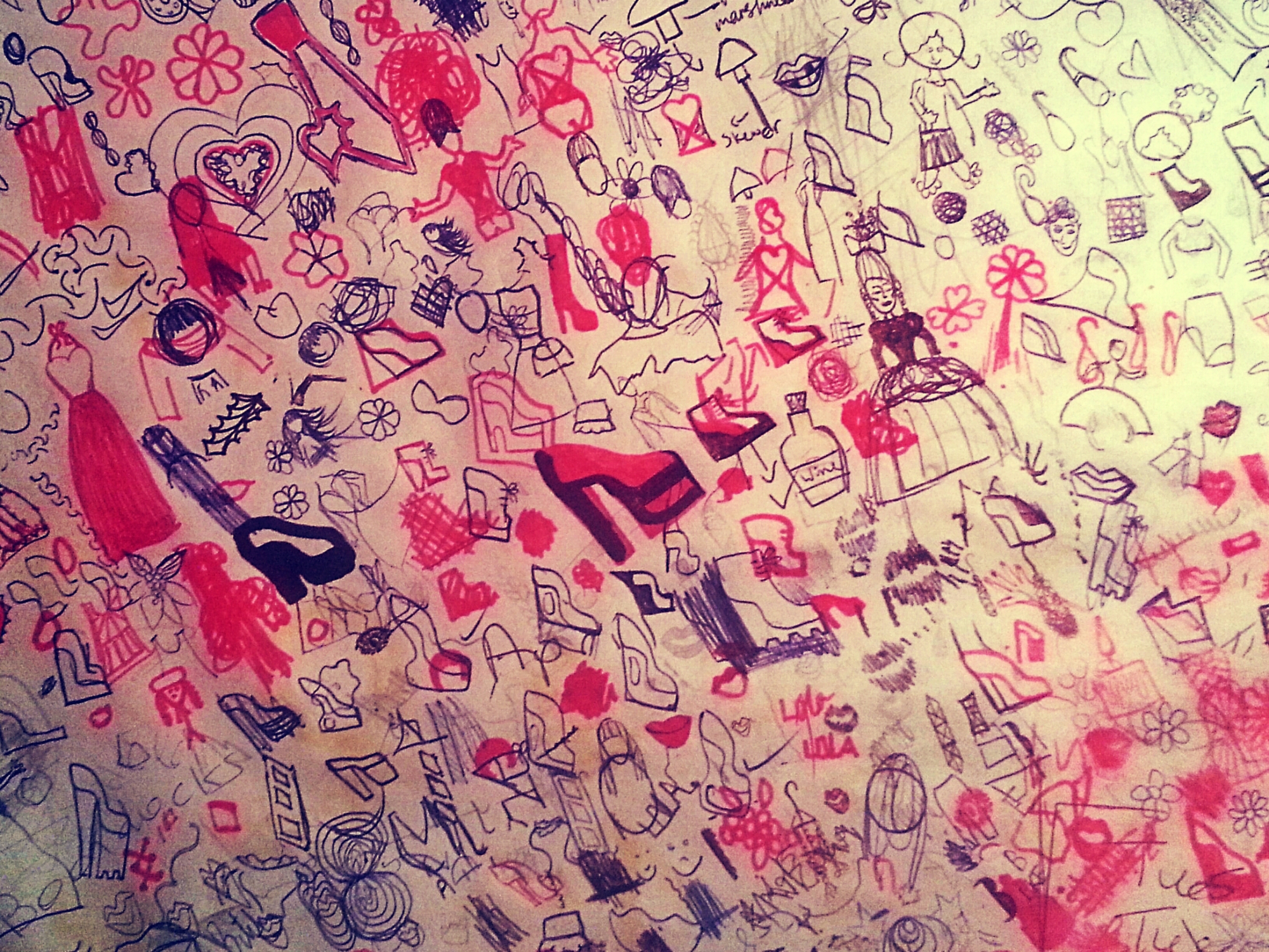
Insights into the mind of a baby fashionista.

As tempting as it is to agree, I do not.
Being challenged is far more important than eating mind sugar.
I have this suspicion that we in the West are entering into the age of Post Enlightenment.
The symptom is that the key habit of the enlightenment, the relentless and continuous incremental improvement in all activities of human endeavor, is dimming.
This habit of continuous improvement requires a ‘disrespect’ for the past.
Breaking the habit down into sub-habits we have (1) the practice of critique which is used to identify issues, (2) knowledge gathering, (3) the proposal of solutions, (4) the implementation of one or more solutions, and (5) repeat ad nauseum.
When this practice first emerged in the late 1600s, critique – the systematic identification of problems within all of what was considered orthodox – was seen as heretical.
Fortunately business leaders in England caught on that it was also quite lucrative in the business of technology. Therefore critique, this branch of objective rational thinking, took off and we got the industrial revolution.
Over three hundred years later we are the beneficiaries of this revolution. Productivity in the manufacturing of goods and services has improved to the point where we in the West are all far better off than the monarchs of the day.
Somewhere along the way we also got marketing. Consumption, driven by all those increases in productivity, had driven straight past the point of natural saturation. Marketing was then born to push even more consumption
The key tenet of successful marketing is fear. The fear of being different, the fear of missing out, and the fear of not being happy or content, of not living up to the model of success.
In fact I have just endured an American kid’s movie called Inside Out. An animated children’s psychological thriller (sic), the key message of this movie is that ‘sadness’ sometimes has a purpose. Really, it has come to this.
The Americans are so far into the ‘happiness’ epidemic that being sad is considered unacceptable. If you are anything other than happy or content then you need help.
And herein lies the threat to the habit of continuous improvement, the key legacy of the Enlightenment.
Those practising the core skill of critique are often labeled as critics, cynics or pessimists, usually with the pejorative emphasised. Thus our kids are learning not to use this important skill.
Already in my life I can see the differences. When I mentally plot the rise of the happiness epidemic against the general practice of critique and continuous improvement, I see an inverse causal relationship.
What to do?
Firstly, maybe nothing. It could be argued that we need productivity to drop in order to save our limited global resources. Maybe not though; we may need new technology to save our arses as we over-populate this planet.
Secondly, we could use intelligent machines to do all the continuous improvement. Then we would be off the hook and can madly chase eternal happiness.
Or maybe, we could just fight back against the happiness epidemic and put critique back on the pedestal where it deserves to be.

Senator Abetz has said Australia should not legalise gay marriage because no Asian country has done so. He also warned that it could lead to polyamory
This is high quality stupidity. We should see more of this bloke.
A declaration of official monogamy from members of a sector of society usually known for sexual plurality can’t be construed as a step towards polyamory.
Polyamory is a specific Western movement and has nothing to do with polygamy. Polyamorists tend to have a primary couple (married or otherwise) and one or more satellite partners in an open long-term relationship.
Because they are wired a certain way, most polyamorists couldn’t give a flying fuck about official marriage certificates.
The only Asian partner we need to concern ourselves with is China. Their government’s official policy on homosexuality is “No approval; no disapproval; no promotion”.
But they will change toward recognition of gay rights awfully quickly. I do a lot of business in China. The Chinese do not hold their dogma very dearly; and will let go of it at the sign of the first dollar or a concerted government or social media campaign.
The rest of Asia will be road kill in the path of China’s progression. You can’t please all the people all the time. So we may as well stay just ahead of China just like the pilot fish that we are.
It’s odd when you think about it. Normally when something is illegal people get prosecuted for unlawful activities, like using drugs.
In the case of gay marriage, since the government(s) control the departments of births, deaths and marriages, the only outcome of illegality is that official gay marriage doesn’t happen.
There’s no illicit official marriages going on, and hence there is money in it – no prosecutions, no legal fees, no penalties, nothing.
Maybe they should just privatise all of the state departments of births, deaths and marriages, and let them compete against each other on a national basis.
Pretty quickly we’d have gay marriage. They would be onto that potential increase in market size in a flash.
They would probably gang up and spend millions in the federal courts arguing on some constitutional grounds.
They might even flaunt federal law and hand out gay marriage licenses, thus forcing the court case through action by the federal attorney general’s office.
We did all note that it was the Supreme Court in the US that made the ruling not the Congress or Senate?
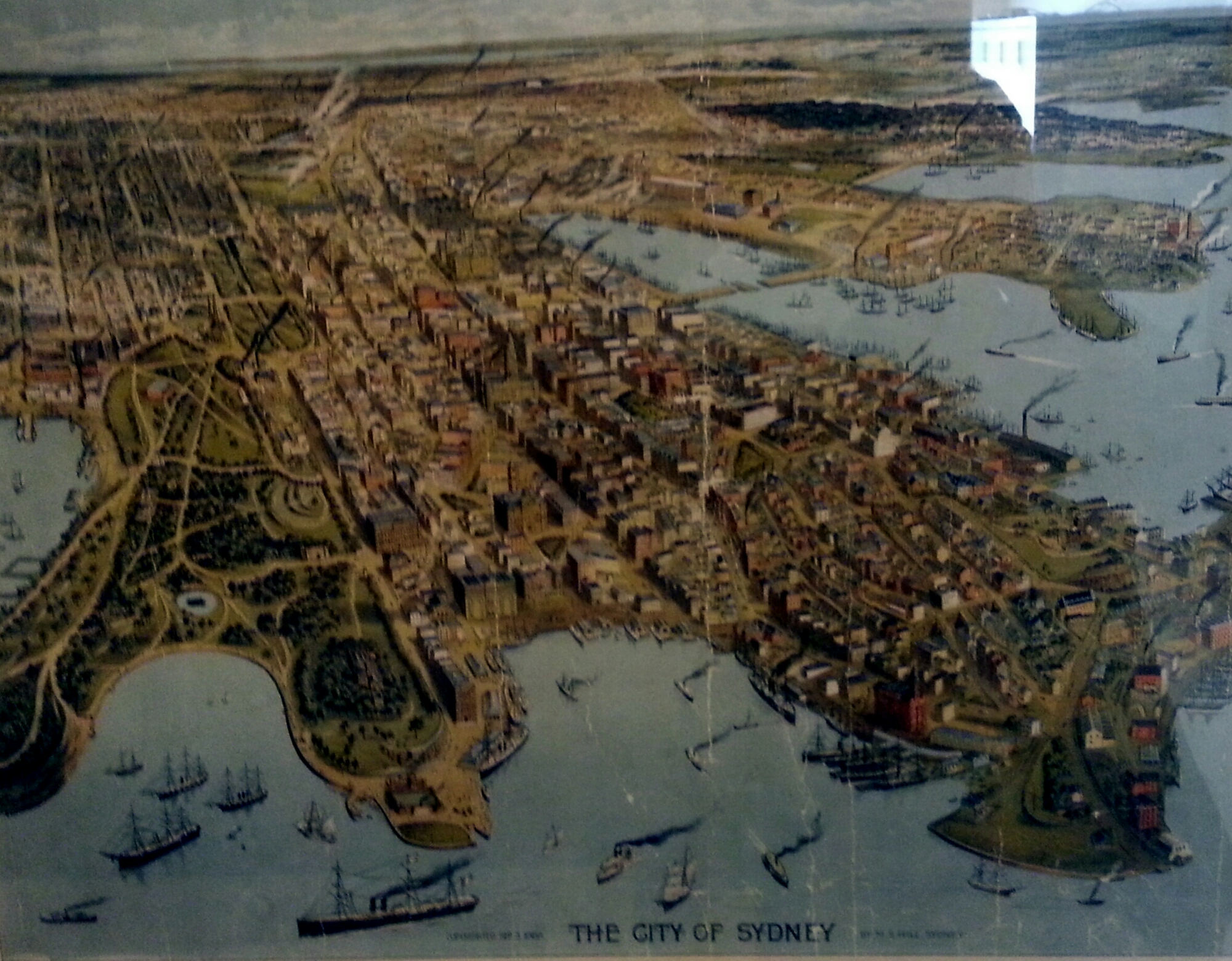
My parents pub when I was growing up, circa 1870s. I am well on the way to 500.

This is how Asians exchange business cards …
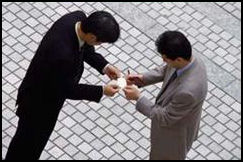
When you do it this way it’s as though you are handling a million dollars worth of fragile valuables.
It’s designed to express a degree of submissiveness by both parties – this I guess is there to demonstrate that, when needed, they will go the extra yard for the other party.
It’s actually so gawky that I have to always suppress a smile when engaged in this little rigmarole.
Often there is a little lame handshake after the card exchange and not a lot of eye contact.
This is how cards are exchanged in the West …

The emphasis is on the firm handshake and solid eye contact – an act of implying trust between equals.
The exchange of the business card is a casual side-affair to the main game.
‘Trust’ is how each party demonstrates their desire to go the extra yard.
In Asia there isn’t much of an effort to create the impression of trust on the first meeting.
That is saved for later, over dinner or some-such.
As much as I like doing business in Asia, this is one area of business where we have it all over the Asians.
That first impression on that first meeting is rarely wrong. So you may as well know what you are dealing with straight up.
One useful habit of a great business leader is this;
When it comes to big decisions, never do anything until you are certain you understand the degree of uncertainty associated with your various choices.
It’s far better to do nothing than to do something just so that there isn’t nothing being done.

Wordsmithing again … someone once labelled me a cynic and a pessimist, and yet another labelled me as a critic.
Which is true, if any?
For what it’s worth I am a true child of the Enlightenment.
My end point is never pessimism, cynicism nor criticism.
When I identify a problem or an issue it is just the first step in the process of fabricating a solution, and in some cases also executing that solution (of course that is not always possible).
At times a solution has taken me a decade to conceive. That’s an unusually big gap in which the armchair observer could comfortably claim that I am a either pessimist, a cynic or a critic.
More often the gap is days or weeks, but it does sometimes take time because new information is needed.
I truly believe that I can conceive a solution to any problem. This isn’t true of course but that belief makes my efforts more likely to be successful.
What sometimes surprises me is how many people don’t understand the key learning of the Enlightenment; that gains in any area of human endeavour first require the objective identification of a problem, an issue or a dissonance. This may also involve making a judgement.
The next step is the gathering of knowledge, followed by the identification of one or more solutions, then stress testing these solutions prior to executing one or more of them. There is no endpoint – once a solution is found then the next set of problems have to be identified, and on it goes.
The identification of problems is an actual skill that requires just as much training as that required to create solutions. And it has to be continuously practised like any other skill.
It’s a process that has been well described many times over and yet is still not taught in schools as a basic life skill. It should be.
And you will note that in this blog entry I have identified a problem and proposed a solution. I can’t see anything cynical or pessimistic about that.
When I am critical it’s usually born out of frustration that problems are being ignored or because easy solutions are being by-passed, through the combined influences of stupidity and malevolence. However even this type of criticism is usually designed just to snap people out of their hypnotic acceptance of the impotent norm.
Although I have no interest in starting a crusade to get our schools to start teaching the skills of identifying problems, just by writing this blog I hope to influence the thinking of others that may not have placed any such a construct around this issue.
Sometimes it is the accumulation of ideas and opinions that eventually leads to positive change.

I just happened to be sculling through Sydney University and noticed these signs scattered all over the place …
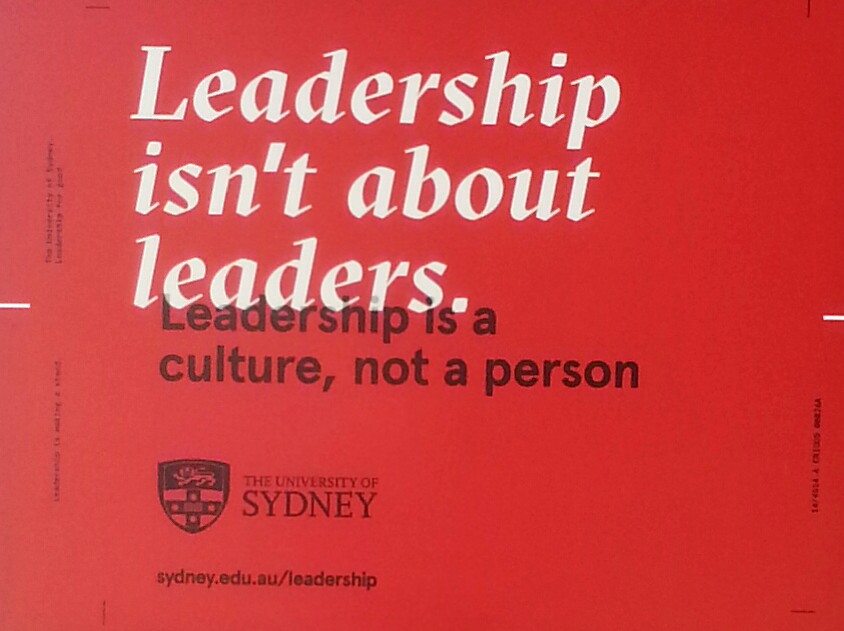
And a leader is a person and not a culture.
I would add that leadership is about disciples; without them, no leaders.
It does beg the question though; with half of Sydney sending their kids to private schools with the intention of creating leaders does that mean we are developing a leadership buddy culture?
One disciple for each leader.
Heinlein had a ‘devil’ theory of sociology:
“You have attributed conditions to villainy that simply result from stupidity.”
I wish I had read that one twenty years ago. I figured it out myself, eventually…

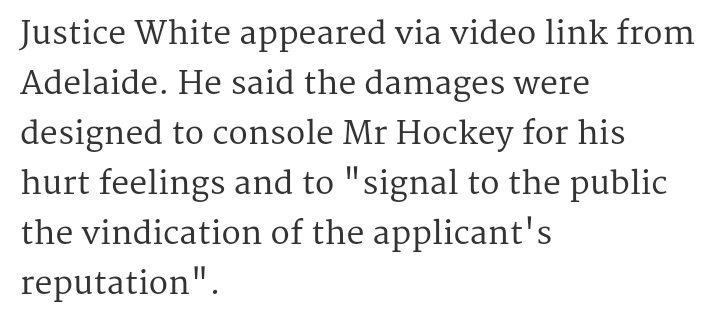
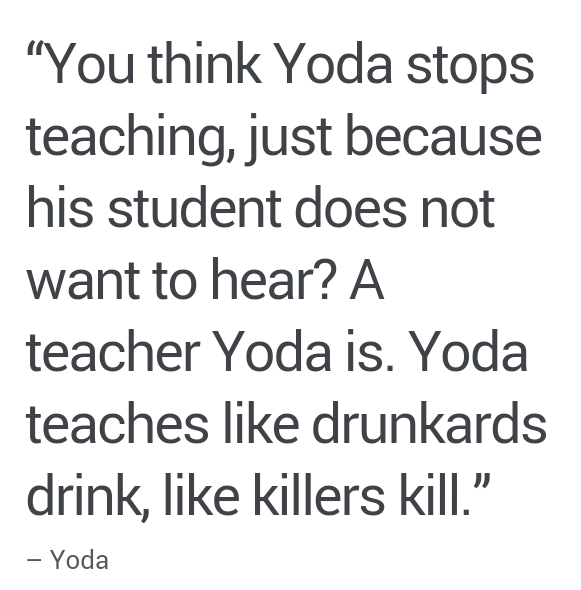
Here is the current top 5 stories from both the herald and the telegraph (see below). For some inexplicable reason these lists make me think of a quote from Master Yoda “Lost a planet Master Obi-Wan has. How embarrassing …”.


The belief that you have in the truth about your beliefs isn’t really that interesting.
Your feelings, they are leading you away from where you need to travel.
Others may advise. Suck it all in and let it sit. For weeks or months if necessary.
You will ignore all the caricatures of their marketing driven delusions.
The professionals do know their stuff. Their job is to get you say, think and feel all the things that you never have had the courage to face.
Sadness is not to be avoided. Avoiding pain is a path to nowhere.
Life has it cycles. After winter comes spring. If you let it.
And eventually, your own soup will cool to the point where you can drink it.

I really do wonder if there is a genuinely free-market airline out there in the world.
There’s just so much government involvement, from cheap financing in Asia, to cheap fuel in the middle east, to the control of carriers that can fly certain routes associated with national interest (everywhere).
One thing is for sure, this is a market that is not free of government involvement that impacts airline profitability and competitiveness.
So, to Qantas, I just flew back in economy on a red-eye from Singapore. This will not happen again.
It was a very old aeroplane lacking a re-fit. The video display was about the size of my Nexus 6 but with far fewer pixels. The non-touch controller took up valuable elbow space. The fat old couple in front of me actually flopped back far further than they should suggesting genuine fatigue in the mechanicals of the seat. Half of my foot-space was taken up by one of those old school video boxes. And the seat cushioning was worn out to the point of non-cushioning – both my elbows and my arse suffered from pins and needles.
And yet the plane was full, suggesting some useful government control of competition on the Singapore-Sydney leg. Given an open market this plane would have been empty.
I get it. Qantas is barely profitable and can’t afford to upgrade its fleet. Part of the lack of profitability is due to unfair competition, some due to high wages – a leftover over of a former protected domestic market with unionised labour, and partly it is due to corporate incompetence.
And all those superfund investments into Qantas – they demand dividends. And cash is what the company should be re-investing, not handing out to shareholders. Especially when they are flying aerial versions of the Morris Minor.
I suspect they need to invent a whole new business model. They could, for example, follow the time-share model and sell their working capital (the planes) to their customers in exchange for cheap travel. Imagine the financing benefits of getting all that money ahead of time?
Or they could just stop being an airline altogether and become a brand company. They could then white-label operations from some middle eastern airline on a pay-as-you-go model.
Whatever. They have to do something because struggling along year by year in zero profit model with crap planes and unfair competition looks to me like a recipe for a long painful death.

Being in Singapore got me interested in the government of Singapore, primarily because of the obvious 50th anniversary celebrations of the independence from Malaysia. Lots of fly-overs by military helicopter and jets etc.
Wiki says “In the 1959 general elections, the People’s Action Party (PAP) swept to power … the PAP has been returned to power in every general election [since] … The Government is generally perceived to be competent in managing the country’s economy and largely free from political corruption.”
Since 1959 only only 12 opposition politicians have ever been elected into parliament. The legal minimum campaign time, from when the election is announced to polling day, is nine days. The announcement of the election follows the announcement of new constituency (gerrymandering) boundaries. Subsequently over 50% of seats are uncontested, assuring the PAP of an electoral win.
But this isn’t enough for them; in addition, any independent politicians that garner popularity usually end up in prison for things such as subversive communism, tax evasion, defamation, and even assembly and speaking in public. So very few people are silly enough to even want to run against the PAP in an election.
I don’t know about you but to me that sounds like political corruption of a kind.
What this says to me is that there are two types of political corruption;
1. The corruption associated with elections and re-election, and
2. The corruption associated with unfair access to taxpayers funds or markets, as a result of corrupt government actions
Here is the interesting thing; all governments fail the test of these two types of corruption to some degree or another.
But in the case of both Australia and Singapore the governments of both countries will claim that all the institutionalised acts labelled by the conspiracy theorists as ‘corruption’ are absolutely within the law. This is the usually the case!
Which then would lead me to conclude that corruption is best measured by the gap between the original intent of the laws and the actual use of them.
Even this definition is flawed though because, for example, Singapore inherited many of their laws from England. Whilst in England there may have been good historical intent behind the laws, there never was in Singapore. Copy, paste and reinterpret.
Another useful definition of corruption would be the separation of the government from both the judicial system and the policing system. The greater the degree of independence of the latter two from the influence of government, the less there is any sort of corruption.
Now let’s see if I get out of Singapore tonight eh?

Despite any surface appearances to the contrary, if you have a suspicion that someone is not well-intentioned then you are probably correct.

Throughout history there have really been only three types of rulers.
1. Kings and despots
2. The churches
3. The representative states
Before I go any further, there have of course been hybrids and liars; despots posing as state rulers or states with strong church influence, for example. Just take this as a given.
Both the churches and the states were born from affluence which gave all or some of the masses time enough to consider the negative influence of their despots upon their personal safety and the access to the means of consumption.
In the early days a general shortage of emotional and social intelligence resulted in the churches having a better value proposition over the states.
This has now flipped around and the states have it all over the churches in many Western jurisdictions.
The main reason is this; the states generally recognise and enshrine the shifting wishes of the majority whereas the churches are usually encumbered with some historical dogma, thus limiting their ability to react to changes in social norms.
Gay marriage in America is one such example. In this battle between the churches and the state for control, the poor old churches are fighting with a seriously hard-wired and bible-enshrined handicap.
However America is a violent country. I would expect that, lacking control on this issue, that agents of the churches will to turn to violence or dissolution.

Rainbows, rainbows everywhere.
I am very happy for all the same sex couples in America that want to be married.
The supreme court judge did say in his final judgment ‘same-sex couples must not be condemned to live in loneliness, excluded from one of civilization’s oldest institutions.’
Now right there though, I spot a weakness in the crusade.
How on earth can exclusion from a constitutional right such a marriage contract condemn anyone to loneliness?
Marriage isn’t now, and never was a contract between the state and two people.
It is, and always will be a letter of intent between two people.
The state is just a witness to the letter of intent.
Personally I don’t give a shit who the witness is, or even if there is a witness.
But I do recognise that most people look to higher authorities to validate their actions and feelings.
I am just the odd one out in this context, so good on you Supreme Court.
Of course, now there will be a battle royale between God and the State in the USA.
And in this context the Supreme Court was also possibly motivated by assuring their ascendency over those that see God as a higher authority.
Essentially they are getting on the front foot in the battle for control of the federation of the un-united states of America.

“A geomagnetic reversal is a change in a planet’s magnetic field such that the positions of magnetic north and magnetic south are interchanged … Most reversals are estimated to take between 1,000 and 10,000 years. The latest one occurred 780,000 years ago; and may have happened very quickly, within a human lifetime.”
I just knew it!

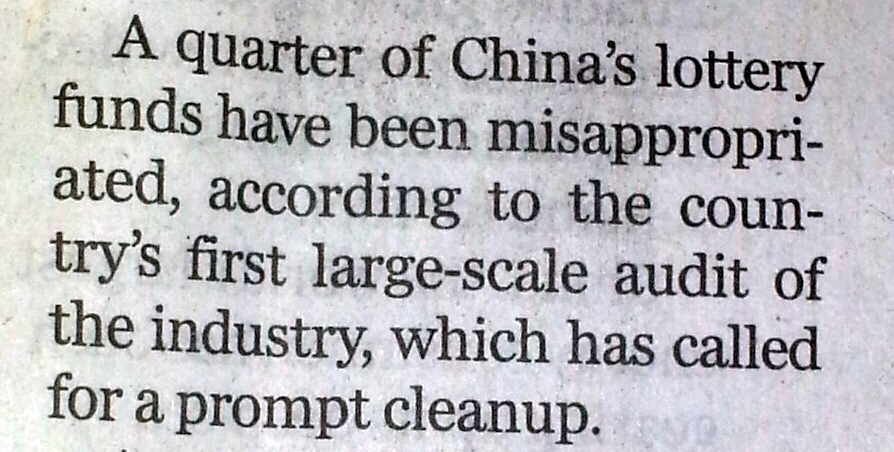
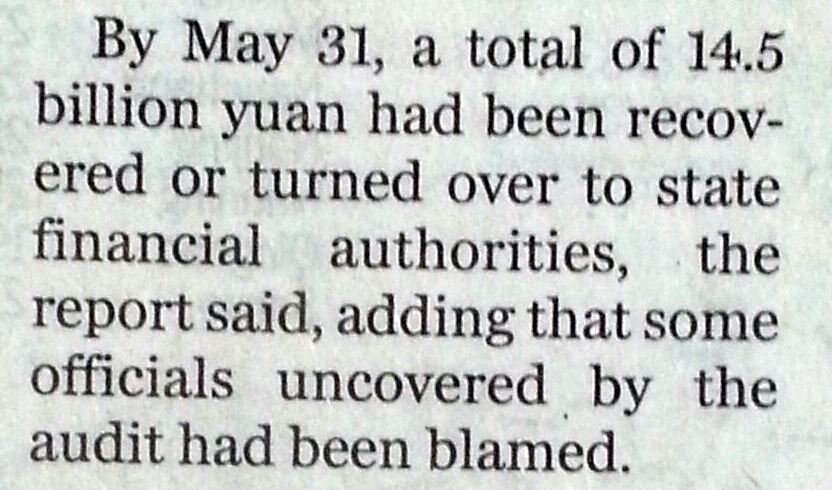
Those Chinese, they’re right onto corruption.
Control is bit of a false god boys. The best place to hide a body is in a cemetery.
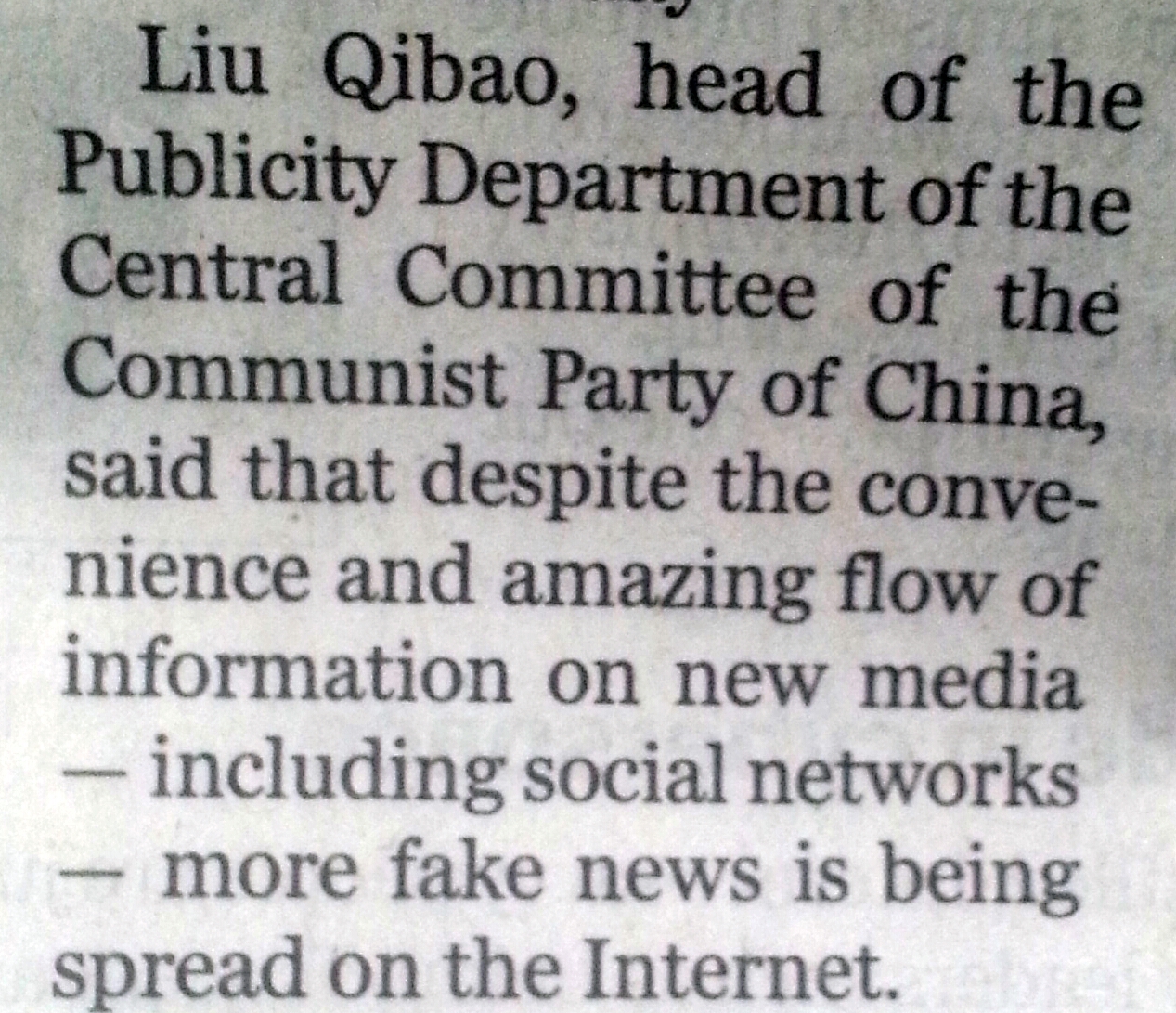
London and Paris cabbies protest against Uber …
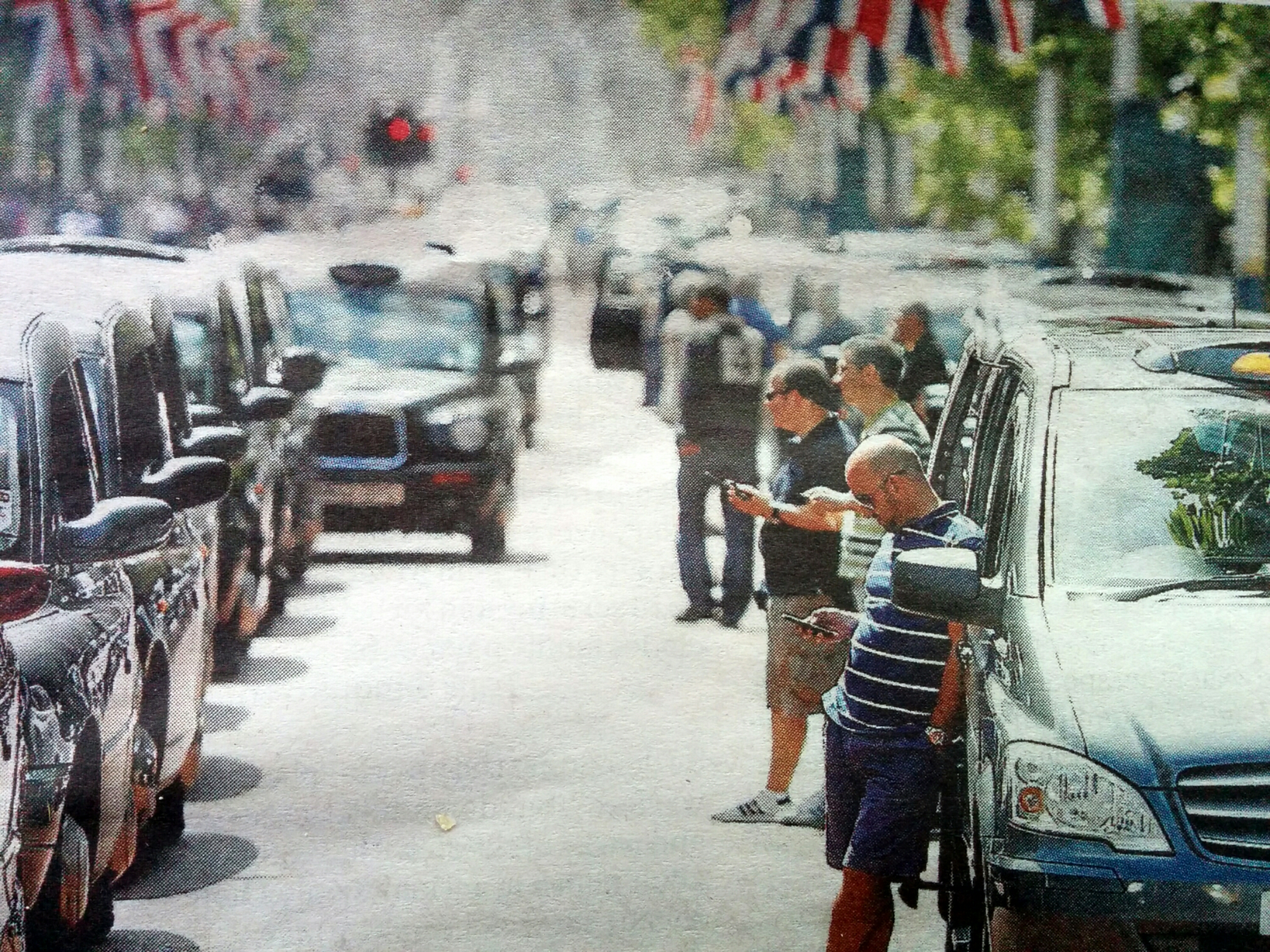

Another gift from LinkedIn.

51?
When it comes to business advice the lucky numbers are 3, 4, 5, 7, 10 and 12. As in ‘The 7 habits of successful oberführers’ and ’10 ways to get rich while sitting on your arse’.
I segue here just for those who want to publish their numerically-maligned business advice behind the great firewall.
In China the number 4 is associated with death and should be avoided. The numbers 6, 7, 8 and 9 are all good ones but I have forgotten why (yet again). I do recall that there’s ‘money’, ‘up’ and other things associated with these numbers.
Back to 51.
It would seem to me that following 51 rules for successful leadership would be like painting the harbour bridge. By the time you’d worked through the list you’d have to start again. You wouldn’t do anything else.
Maybe that’s the idea.
In any case you have to give the guru full credit for breaking the rules of successful business writing.
She knows rule 52 – ‘they are just guidelines lassy’.
By the the way, 51 is my current favorite number so, trust me on this, I bear no grudge against the guru for her attempt to make this rather awkward number appear sort of sexy.

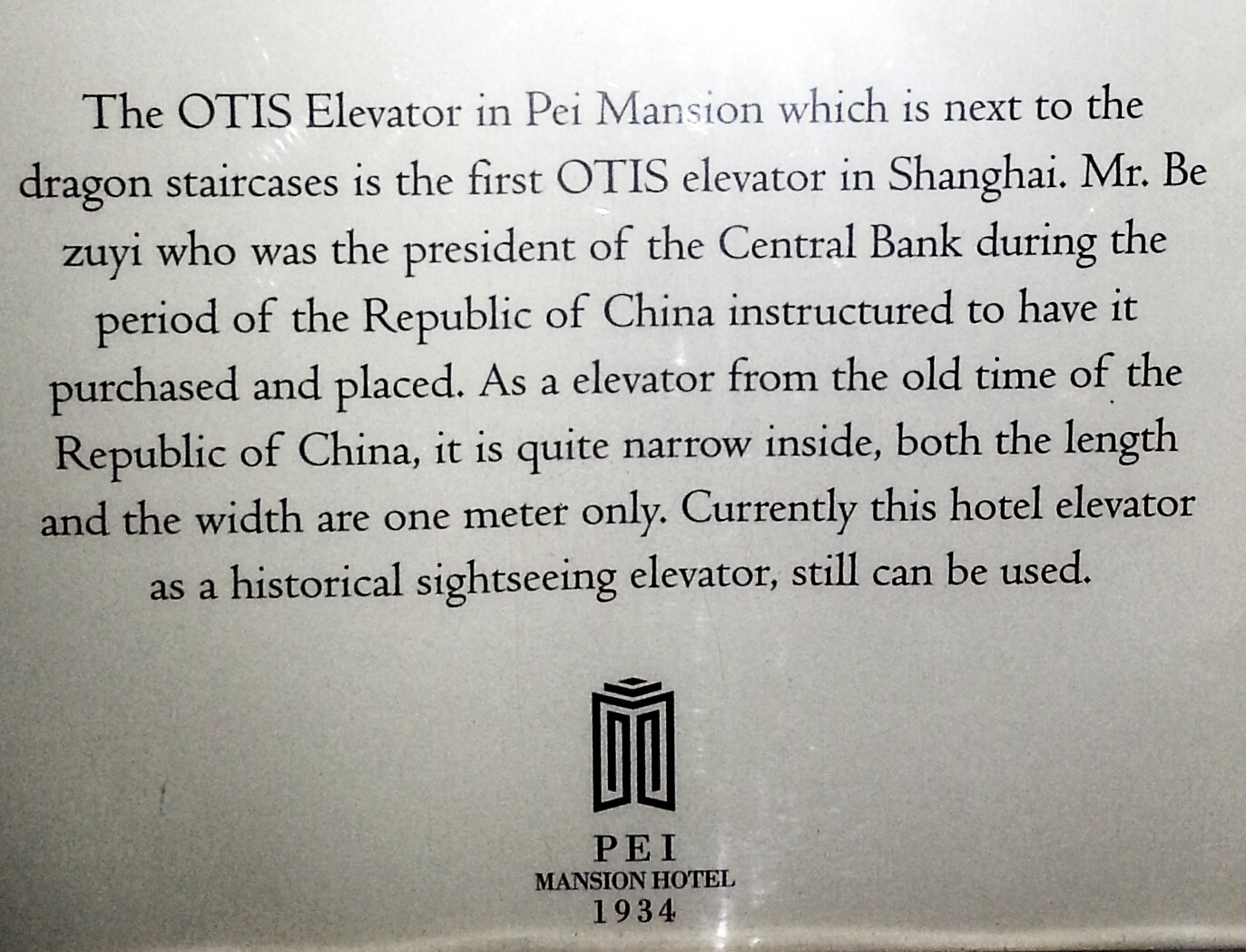
My hotel just press-ganged me into a vertically translating closet.
Obviously they are slightly embarrassed by the limited dimensions and have published an apology, as per below.
In the process they have informed me that this hotel used to be the house of a bigwig in the communist era and that he had a Western elevator smuggled in and installed.
The power of capitalism is the manufacturing of the undeniable desire for the unpossessed.
Communism never had a chance.
And then bang, out of nowhere and in the middle of nowhere, this girl serves me up a great macchiato.
Whence comes this respectful oddity?


Out for lunch with the Chinese boys and this comes out.
Curious, I asked for a direct translation.
“Pole Dancing Chick”

“A future learning goal is to continue modeling accurate strategies to the class”.
This is the last comment in the maths section of my daughter’s school report.
Anyone?

Well, well. Toto have really lifted their game.
The toilet now has a fully automated mode. The lid lifts upon your proximate arrival. Then all the functions including drying just happen automatically and at the right time.
There is a manual over-ride if control is your thing.
And it has a great gas extraction fan built in!
As you walk away the lid closes automatically.
I reckon there should be some sort of voice over or applause …. “well done you” or “eat some more fiber”.

Really, that is the title of a book!
Here’s my version.
1 – 8: suck it up and hate yourself, or
9: climb to the top and be a soul-free zone, or
10: get out
All that technology and social development since the enlightenment, it has freed many of us from the fear of physical survival but not, it seems, from the fear of spiritual survival.
Australian university senior management incentives explained…
Academic paper citation analysis => Research grants => International university ranking => Foreign student income
Oddly, this is a game that can’t be won. The more foreign student income the universities make the less the government gives them.
Even if they are occasionally profitable our universities have an addictive habit of blowing their cash on fancy buildings.
It may all come to a screaming halt when those Asian universities climb up the rankings.
But maybe not because the Chinese, for now at least, still like the idea of an economic beachhead in Australia in the form of a student son or daughter.
It is unexpected, don’t you think, that there is an inverse relationship between foreign student income and useful university innovation?
It all comes back to that academic paper citation analysis which drives university income but also corrals researchers into trendy and over-subscribed areas of research activity.
On the subject, at a recent awards ceremony for the most cited researchers and entities, it was noticeable that the recipients had mostly non-Asian names despite the prevalence of researchers in Australia with Asian names.
Possibly a sign of a less Pavlovian nature?
Sometimes winning is a sign of an inexplicably megalomanic desire to win the tin cup.

Not all acts that are illicit are illegal and not all acts that are illegal are illicit.
But for what it’s worth there’s a fair bit of cross-over.
The particular example below is that of an ill-advisable illicit act that probably wasn’t illegal and that has been illicitly ill-labelled.
It’ll probably just quietly go away.

Doppelgangers, we all have them. With 7.5 billion people on the planet it’s no surprise.
New app idea. You submit your photo to the app and some u-beaut image processing matches you with all your doppelgangers, all over the world.
Then you can all arrange to live each other’s lives every now and again. Just for a change up.
SoulBnB.

There’s often an assumption that productivity gains in an economy are due to the sum of all technology developments.
This is not true.
Some technologies deliver productivity gains and others simply exploit the proceeds and have negative outcomes.
Productivity gains result from the sum of all the negative and positive technologies. Fortunately, since the enlightenment, the positives have outweighed the negatives.
Data mining the information in citations in patents and academic papers, by way of example, delivers negative outcomes for productivity in two ways.
Firstly, a lot money and time is spent in the area thereby diverting resources from technology efforts that could deliver genuine gains in productivity.
Secondly, are far more insidiously, efforts in this area can impact the types of technologies that get funded and the methodologies for R&D in such a way that drags effort away from ‘white space’ where citations are hard to achieve but also where the biggest gains in productivity can be achieved.
A smart economy, wishing to blow all or some of the proceeds of increased productivity, would be well placed to find genuinely facile means to do so that don’t accidentally become a drag on technology development and productivity.
Just to exemplify this, many universities find themselves corralled into areas of research where grants can be won and, in turn, these choices result from citation analysis.
You will never ever find a company that chooses it’s R&D focus by such means.
That says it all really.

There are currently two future models for manufacturing:
Industrial Revolution Gen 4.0 – this is the German model where there are large automated factories which can be reconfigured on the fly and can take orders from customers over the internet. This plays to the German strength in the development and sale of factory-scale manufacturing equipment to the world.
Industrial Revolution Gen 5.0 – this is distributed and localised manufacturing using high-cost and small-footprint systems such as 3-D printers. What this approach lacks in the cost benefits of scale it picks up in low IP costs, high levels of customization and near-zero distribution costs for the finished products. Over time I expect Gen 5.0 to nibble away at market share of factory-produced products.
I have written more comprehesively about these at http://bit.ly/1LqD5XM
My own personal hybrid between these two models I call Gen 4.5. This name is not particularly imaginative so it may change.
I have instigated a project at UTS which we are currently calling the UTS Watch MiniFab. I should note that the project is still at the planning stages.
What we are developing is a wrist-watch supplier that is very different to any other.
From a customer’s point of view they will go onto a website. At this website they will be able to use some design tools to design their own watch, including variations in metal colour, shape, dial colour and shape, and other features. These designs will then be fabricated using a fully automated mini-fab comprising automated CNC machines, coaters, and other readily available tools. All product handling and assembly will be done by robots. All the key parts, such as metal blanks, watch movements and the like, will be delivered to the fab in ready-to-use cartridges thus also requiring minimal handling. After customer design, all the way through to the delivery of the watches our grand plan is to have no human intervention other than the odd postal worker.
In many ways the business model is more interesting than the technology. The development of the mini-fab capability will be know-how intensive but use entirely off-the-shelf tools. After the first mini-fab is completed and working the designs for these will be franchised to anyone with the capital and the will to operate them for a fixed profit. However the company formed to control this grand plan will continue to own and develop the brand, the customer portal, the web design tools and the purchasing gateway. This company will simple transfer orders to partners that have franchised the mini-fabs.
So who is the manufacturer in this scenario? The Australian company that owns the web portal and brand, or the franchisee in India that has invested in a mini-fab and acts solely to fulfil orders from the Australian company?
In my world view the larger share of the profits will be retained by the Australian company which took on all the risk to develop the capability in the first place and controls the customer engagement. The low risk deployment of a proven manufacturing capability by the Indians will have a lower return on capital but of course also a much lower risk since this investment won’t be made until the whole shebang is proven.
So when someone says to me that we hardly have manufacturing in Australia anymore and that this is a terrible thing, and I then describe this scenario to them, they typically get very confused by it. It doesn’t create manufacturing jobs and the actual physical manufacturing is very unlikely to take place in Australia (because of the high regulatory costs for a business of just existing here) and yet a substantial share of the profits will land in Australia.
This why I coined the term Gen 4.5 to distinguish this approach from Gen 4.0 and Gen 5.0; these models both assume that the capital equipment is owned by the ‘manufacturer’. Now that we have the internet we can start dreaming up new business models that are more efficient with respect to how risk and investment are deployed throughout the development of manufacturing opportunities and also during their exploitation.
More updates later, as the project progresses. But the principle here is quite simple to understand me-thinks and totally aligned to this scoping paper I wrote in 2013 which can be found at http://bit.ly/1LqD3PH

I have just discovered that the existence of this blog makes me a militant humanist.
Who would have guessed?

Last week I heard an academic friend talking about his Australian university ‘selling degrees on the internet’.
For a minute there I thought he was being literal and that they were selling degrees without any requirement for learning or assessment. It’d surely be a more profitable business model.
A related thought; with limited places and (hopefully) more demand than supply you would also think they would auction their degrees to overseas (mainly Chinese) students rather than sell them for a fixed price. They could also sell gift vouchers redeemable for any degree.
The possibilities are endless once you disconnect the educational certificate from the quality of graduate capabilities.
I suppose there is in reality some relationship between graduate salaries and the demand for a degree. So just selling degrees without training or assessment could be a problem – after a while employers might catch on that the graduates are useless. And when this happens demand for those degrees might drop.
One solution to this would be to sell degrees through an affiliate institute (say some cheap-arse university bought in liquidation) and then let graduates that have bought their degrees online (without any actual education) upgrade their degrees to the head institute if (and only if) their salaries reach a certain threshold.

Headline in China…!
New anti-corruption app sparks instant flood of public reports
Now that’s a good idea. An official Wiki-anti-leaks.
An app that is encrypted to ensure the safety of whistle-blowers.
It allows easy and quick reporting of corruption.
The issue of course would be misuse and abuse on both sides of the app.

One of the hardest aspects of writing is editing your own typos, grammos and thoughtos.
Once the first version is down you may as well wait a day or two before trying to edit the thing; there’s a sort of fridge blindness problem associated with reading one’s own freshly minted prose.
Typing on the phone doesn’t help; the swypey keyboard thingy just adds hilarious and unintended errors. I call these swypos.
I fear that people that read my blog may at times consider me a moron. I would like to tell them that it’s mostly Swype even if that is not always true.
But to the invention; a new system that converts one’s prose to sound so editing can be done, on the spot, via listening to the errors.
The technology already exists but it’s not being used explicitly for the purpose as described here.
I have a hypothesis that content funnelled into the brain via the ears goes to a different part of the grey lump as to that which is read.
And hence when your new prose is being heard it’s just like the first time. The very first time.
Editing will thus be effected to the maximum effect.
No promises, but it will be better.

The other day I was asked if I am a leftie.
I had the question clarified and I was being asked whether, politically speaking, I am a social progressive.
I said no. Not any more.
So then I automatically became a conservative!
I said no. Not that.
I said I just don’t believe that, in the main, we should look to Parliament to solve most of our issues (when was the last time they created an opportunity?).
Once it was a great institution. But after centuries of legal solutions designed to protect and enrich us, the job is mostly done.
In Australia it seems to me that new acts of Parliament, on average, are taking us into a horribly over-regulated nightmare where contentment hardly exists.
Therefore the reason that I am not a social progressive is that I simply don’t believe that politicians offer any value in this era.
If you don’t look to politicians for anything then you simply can’t be labeled as to your political leanings.
I think we would be all well placed to stop looking to law makers to remove risk from our lives. This miserably addictive behavior is gutting our souls.
I am not exactly espousing a classical libertarianism here, more a post-parliamentary responsibilitism.

Suzuki has this sexy (sic) little commercial van called the APV.
Every time I see one I spend the next half an hour mentally redesigning it into a cult classic.
This is the mind of an eccentric?

If Barack takes on the guns like he is indicating there has to be a finite chance that he will be a victim of them.
They have this habit over there which sort of proves his point.

I wonder why the coalition is going after Bill Shorten?
They’d be much better off leaving him in place.
It’s a scorpion and frog thing I suspect.

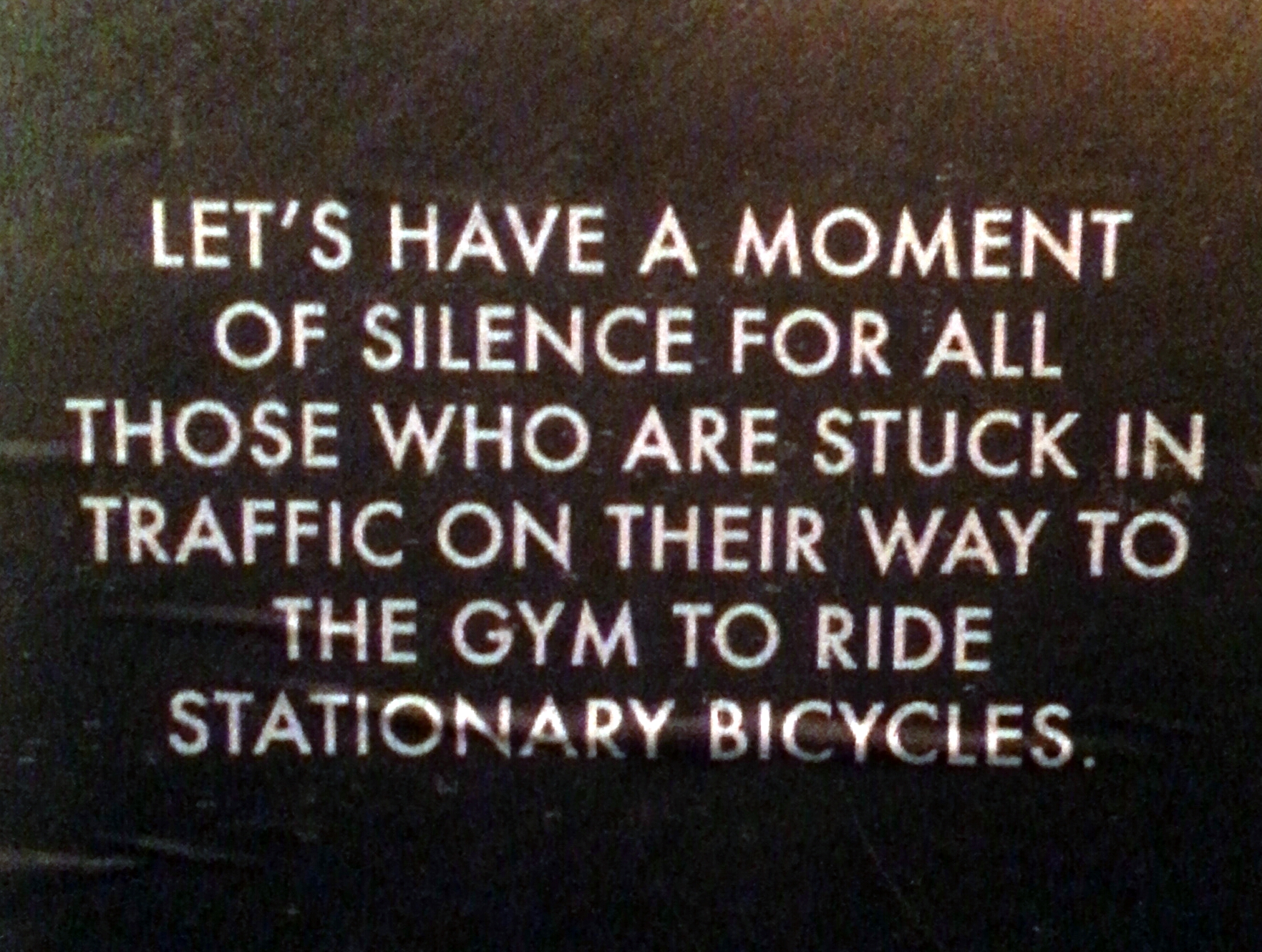
Doing weights in the gym is the Macca’s of exercise, or to be more the precise the anti-Macca’s.
Whereas Macca’s is the quickest way to ingest calories known to mankind, doing weights is the quickest way to use them up.
Many women go to the gym to lose weight and to tone up but most do not realise that the other half of the gym (that they mostly ignore) is a far more efficient approach to the gig.
It’s a little like the other related urban myth that fat makes you fat. It’s short chain carbs, especially sugar, that makes you fat.
In fact dietary advice is full of such misnomers. Examples of readily accepted marketing bullshit include fat-free food, salt-free food, protein-free diets and cholesterol-free food.
Acceptance of these lies are examples of weak mindedness probably brought on by excessive consumption of same.
There are simple facts that are apparently very hard to ingest. I know not why.


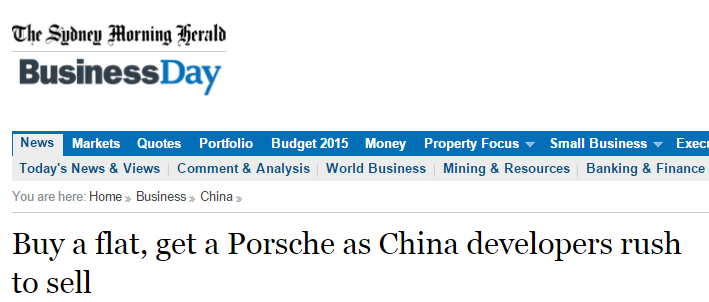
There’s no such thing as a free Porsche.
MSG, aka E621, is a natural flavor even if the particular molecule you are consuming was made synthetically.
It’s found in tomatoes, mushrooms and a host of other foods but probably at lower concentrations than found in certain food products.
Even at super high concentrations the negative health effects apparently are greatly exaggerated;
“71 fasting participants were given 5g of MSG and then a standard breakfast. There was one reaction to the placebo, in a self-identified MSG-sensitive individual.”

Alerted by this:

Lola and I discovered that:

Honey Soy Chicken Chips contain chicken powder!
How is that a natural flavor? What is it anyway?
Google throws up this:

I think there’s a rat amongst the chicken shit.
This morning I managed to be sitting in a room when a consultant compared de Bono’s “Lateral Thinking” with some other book by a psychologist that peddles the line that we are shaped by our environment.
De Bono was held up as an icon of “mind over matter”; the triumph of rational thinking.
Essentially the argument was this; there are those that use the environment as an excuse and there are those that believe that the power of rational thought can overcome the impacts of the environment.
No one mentioned lateral feeling.

I suspect that there are two types of economic bubbles.
The first is where a totally false market opportunity is promoted as real. Tulip bulbs in 17th century Holland come to mind. Enough bulbs were traded to stuff every house in Europe full with tulips.
The second is where an accelerated market take-up is promoted. Fiber Optics in 1999 was one example; the next 15 years worth of growth in bandwidth needs was supposedly going to happen in 3 years. Which it didn’t – it took 15 years.
Just lately I have seen people asking whether IT is going through another bubble. If so, it’s the second sort of bubble. We will probably under-estimate how long it takes for each stage of the inevitable disintermediation of just about all services.
This will give the nay-sayers a very silly reason to believe that they are right and that the past will be preserved. It will not.
While I am at it. Australia has 70% of its GDP in the services sector. That’s big.
The big end of the services sector are the banks, financial services, supermarkets and the like. These guys are all in oligarchies and they rely on their influence over government to prevent external competition. Every time they get the government to help them out our services get more expensive than overseas competitors and this flows through our supply chains and makes our exporters just that much less competitive. These guys are also anti-innovation by culture – so they won’t respond to the big disintermediation until it’s way too late.
The rest of the services sector have no such government protection – they are the SMEs. These guys are too small to innovate and will not disintermediate themselves, so they will get disintermediated by overseas virtual service providers. Think Uber – it will happen to every segment. Why can’t they innovate? They are too small. They can’t raise capital via debt or equity because they hate risk and they hate losing ‘control’ of their businesses. And they don’t have the skills in any case.
What will happen is that the big disintermediation will cause direct job losses as key functions become more automated. We in Australia will also lose jobs to overseas disintermediators whose products will be delivered on the web. As job losses stack up there will be much less money in the services sector so they will all suffer terribly and this is 70% of our economy. It won’t be pretty.
Already the big guys in this sector panic when government does something silly and upsets consumer sentiment, Imagine when there is nothing that can be done about it. You can’t put a ban on the web.
So we need to find novel ways to force our services sector into major investment into risky disintermediation business plans and technologies, with an eye on global domination of each and every services sector.
I have a couple of ideas. But where is the will?
Key characteristics of the perfect manager of a commercialisation office in an Australian university.
1. Thought leadership. The most important part of the job is to create the impression that the university is very active in commercialisation despite the fact that they are not. This means endless presentations to media, businesses, academics and community groups. Also you have to hit social media very hard – just cut and paste some posts from an American university; nobody will notice.
2. Stakeholder management. Academics will think think that you are there to serve their needs. The best way to deal with this is to gift them their ‘IP’ and watch them do nothing.
3. Suck it up. You will be going to endless ‘management’ meetings and you just have to say ‘yes’ to every loopy idea. Later on just ask for extra resources off the VC or sub-VC in order to prosecute these ideas, which will be denied. You can thus pass the buck.
4. If by some miracle something really good comes up don’t get involved at all because you will just stuff it up. Let the free market reign but make sure you take the credit after the fact.
5. Keep your budget down. Nature abhors a large target. Don’t have any external costs at all to any service providers especially patent attorneys. If you can’t avoid these for any reason then push the costs back on the department from whence the desire to commercialise arose.
6. Start an incubator for students. Make it as much like a large kid’s castle as you can and promote the buggery out of it on social media.

If I ran a telco I would make damn sure that airports were over supplied with high quality mobile bandwidth.
There’s nothing worse than landing and getting non-G service. Waiting, waiting for those doors to open.
Fairly or otherwise, it focuses the mind on the incompetencies of one’s service provider.

Note to self.
[Problem] No Australian tech sector worth having and getting worse as it is further micro-julienned by shysters and hipsters. Over reliance on resources exports. 70% GDP in domestic services sector. Ag sector has only capacity to double. University sector crippled by INTJs. Self-serving oligarchies at the big end of town. OCD jesters in Canberra. Public discourse distracted by happy high herbs.
Previously I have developed a scheme using enhanced patent enforcement and patent box tax concessions to entice our Australian large corporations into tech exports. Unfortunately it requires government input in the opposite direction to global trends.
Last week I figured out .how to combine PE and VC in the Australian context. But those Australian PE boys aren’t about to become business model pioneers any day soon.
This week I figured out how those SMEs in the services sector could engage in tech exports just ahead of their upcoming disintermediation. This one might work. I tried it out on a bunch of them today and they are in.
It’d better work; I am starting to run out of interest.



OK I admit that there’s not a universe in which I would watch Sharktank.
I don’t even watch TV at all.
But when members of my extended family start asking me dumbass questions about startups one can only ponder that Club Australia is once again being duped by ‘form over substance’.
Fortunately it doesn’t matter. We can keep digging up stuff.
In any case LinkedIn just provided these five pearlers (IN CAPS) that I couldn’t help but comment on.
1. AUSSIES ARE MORE INGENIOUS THAN ANYONE GIVES US CREDIT FOR
A no-brainer. No one gives us any credit anyway. Don’t you just hate that expression ‘Aussie’ being thrown around? It smacks of a total lack of authenticity, morning TV and Johnny Howard.
2. THERE IS MORE TO AUSSIE STARTUPS THAN TECH
There’s rarely tech in Australian startups that isn’t off-the-shelf so I’d hope so. But usually there isn’t much of anything other than certain hipster lifestyle aspirations.
3. WE NEED MORE BUSINESS/ENTREPRENEURIAL TRAINING
No we don’t. The relevant skills are learnt only by apprenticeship in someone else’s startup and never in a classroom.
4. A LITTLE INVESTMENT REALLY CAN FUEL THE FIRE
Which is our problem. Always little tiny bits of investment, just enough to light the pilot flame, that go nowhere.
5. PEOPLE GET EXCITED BY GENUINE AND AUTHENTIC FOUNDERS
Which people? The ones that watch Sharktank? A VC with a decade of experience can tell the difference but your mug punter, no way.

When you think about it, HECS (the Australian higher education contribution scheme) is just a working capital loan from the government to students.
Was ever the word ‘working’ in working capital more descriptive?
There’s an opportunity to export HECS into Asia.
That is, apart from pushing vocational training into Asia we could export this working capital finance into Asia.
It’s needed because one of the major barriers to the adoption of vocational training in many parts of Asia is the pay-as-you-learn model. Many simply don’t have the funds.
Imagine having millions of people eternally grateful to the Australian people? It could profitable to boot. And it would expand the market substantially.

Iron Cove Creek is maybe 25 feet wide. Is a storm water canal in fact.
They are just building a new pedestrian bridge across it because it’s part of the popular Bay Run recreational walk and the pedestrian section of the existing car bridge is way too narrow.
Have a look at the bridge below. It’s the big tall thing. 25 feet long. Pedestrians …
I have this suspicion that over-speccing is the new and totally legal means of transferring government funds into private pockets.

We are told that we in the representative democracies have one key benefit over the rest; freedom of speech and, by extension, freedom of mind.
In truth we are living in one large odd-ish Freemium app. You get to think and say whatever you like as long as you watch the advertising. But even if you subscribe you still get the ads.
I suspect that immersion in advertising is actually more effective at curtailing freedom of mind than any other means.
Once the mind is barbed-wired there’s no cause to fear the exhalation of sound. Wally’s in the noise.
Those unrepresentative democracies just haven’t caught on yet.


Lola, upon being press ganged into Julius Caesar, decides that Bill isn’t too bad.
After deep reflection over two rashes of bacon, an egg, and two slices of toast, she floats the suggestion that the bard reminds her of Dr Suess.
“It’s a simple story Dad, on the surface. But there’s a lot going on underneath.”

Truth. Many seem to think it’s all about words spoken. I disagree.
There’s plenty of other ways of communicating, through sounds such as music, the visual arts, written words, poetry, body movement, by just being, and others.
Each offers insights into truth and lies, and each is open to interpretation.
They can express felonies or fibs just as can spoken words.
There is the quality of composition, the intent and the meaning if present, often reinterpreted, and likely to be carrying other hidden meaning.
Truth doesn’t exist. But lies do because they are felt in the heart. Truth can only be seen as the outline defined by the lies.
This is no lie; the spoken word is the easiest medium in which to tell a lie but the hardest by which to impress the truth.

(oooo, I couldn’t let this one pass by – it’s too juicy.)
This heading is a pitch from some consultant in Sydney that wants people to pay to listen to the mystical six crucial steps for raising venture capital.
Here’s my version.
1. Have a fashionable business
2. Have a high growth business plan that is well thought through and leads to a verifiable high value exit opportunity
3. Have a good mix of industry experience and skills in your team
4. Be 100% committed to the company. This means being maniacally bent on global domination. Nothing less
5. Understand what your venture capitalist is looking for and that this matches your proposition
6. Go to the US where there are venture capitalists with large funds and focused industry sector investment strategies who will both understand your business and be able to add to it. And stay away from Australian capital ‘advisers’ charading as venture capitalists; and tiny VC funds with odd LP and management structures that will end up choking you to death with tiny licks of capital and weird behaviour; and anybody wanting you to pay for their advice on the subject

Apparently some airlines in the US are starting to charge passengers according to their wealth as measured by where they live, their travel history and even which browser they use to book their tickets.
They call it ‘personalizing the journey’ and muddy their pricing strategy with a zillion virtually cost free additives.
Who would have imagined that internet purchasing would lead to a form of private wealth tax?
If governments can have progressive tax then where’s the moral argument against companies having progressive prices?
I tell you, there’s going to be a big opportunity in developing strategies to give people an online pauper profile.

The Daily Telegraph definitely has the most entertaining lies. They don’t even pretend to offer remedial news.
The cover story today features Singo.
At 73 I reckon the doctors advice couldn’t be wrong eh? So he may as well keep living the cliché and get a new doctor. One that he can drink with.

I just had a meeting at Wynyard in the city.
Leaving Waterloo on my pushie, I knew it would take 15 minutes to get there, give or take a couple of minutes (allowing for the presence of police-people at red lights mainly). A totally free ride and I used up a few calories in the process.
Had I taken public transport it would have been a 15 minute walk, a 5 minute wait for a train, a 10 minute train ride and a 5 minute walk. That all adds up to 35 minutes and about $10. And maybe a one in ten chance of catching someone’s cold.
Had I taken a taxi I would have allowed half an hour from hailing a cab on Uber ahead of my presence in the meeting.10 minutes for watching my chosen cabbie get lost in the neighbouring suburbs, then 20 minutes of driving, half of which would have been spent stationary at traffic lights. Oh, and I would have had to endure Alan Jones. $30.
If I had taken a Goget car I would have allowed 5 minutes to walk to the car, 20 minutes of driving (as per the cab) and then another 10 minutes for parking and walking to my meeting. Plus the $70 of parking fees on top of the Goget hire of around $20.
In terms of stress build-up, driving is the worst, then the cab, then public transport. Cycling actually de-stresses.
It’s a no-brainer.

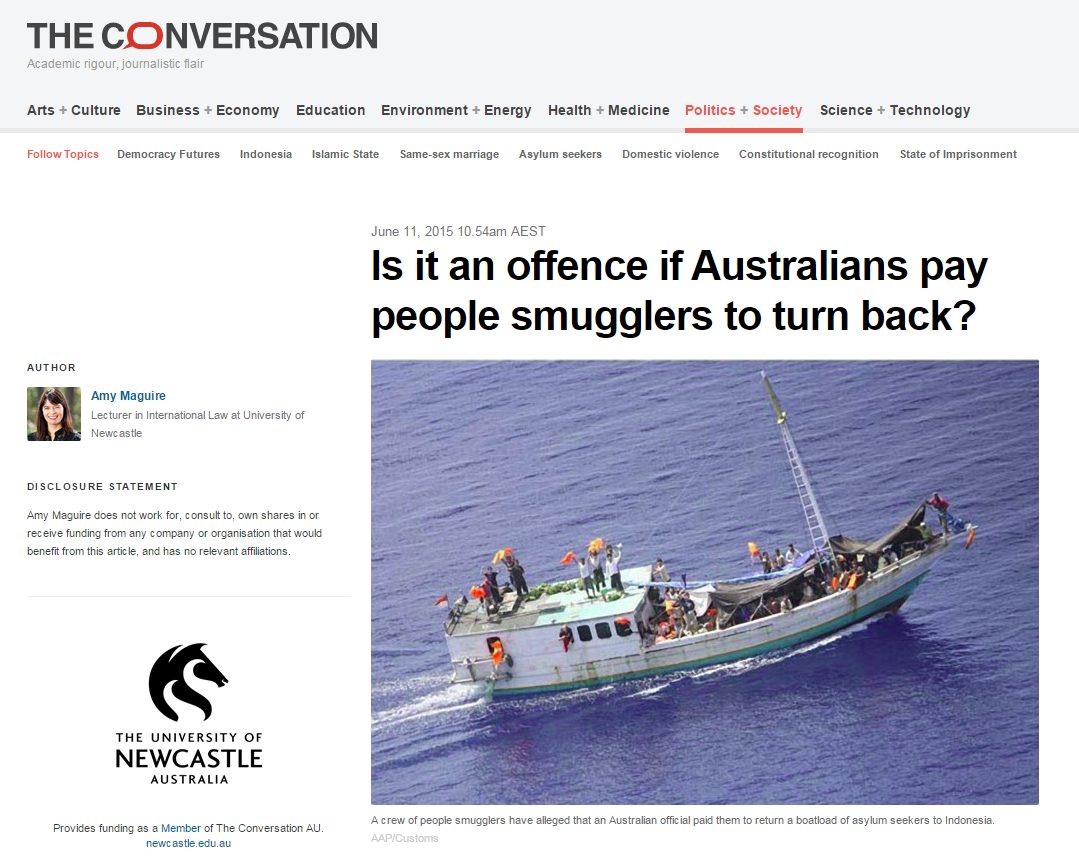
I don’t like news headings with question marks in them.
Like the one below from the Conversation today.
When there is a question mark in the heading then 99 times out of a 100 the author isn’t asking a question; rather an opinion is being shared.
The author probably think it’s tricky to dress up an opinion as a question in order to draw us in.
It’s an attempt by an author to show that he or she is an impartial type and has arrived at a very impartial position through the use of pure rational thinking in the course of writing the article, and therefore you should share the opinion too.
I don’t. If I see a question mark in the heading then I don’t read the article.
Which is to say that I only like being fooled by people that are smarter than me.
1. Have a profitable business or get out
2. Hire within the constraints of your worst (i.e most likely) cash-flow scenario
3. Pay your workers before you pay yourself
3. Don’t waste money on consultants or service providers that offer payroll financing for small businesses
(p.s. every day I am taking one of the blog titles – one with numbers in them like the ‘4’ above – off Linkedin and doing my version; lots of fun)

If and when you are ever accused of being disrespectful and dominating then remember this;
all such opinions are subjective.
I can prove this because I know a person that some people find disrespectful and dominating and I don’t find that person either disrespectful or dominating.
This is not to say that a person can’t actually be disrespectful and dominating but more to point out that there’s a grey area where accusations relating to these characteristics are more a reflection of the sensitive & introverted nature of the folks making the accusations.
It’s great to have empathy for sensitive folks but you can’t spend your whole life tip-toeing around people with ‘large feet’ (as the Dutch say); you can go mad.
The right answer is to spend a little time around sensitive and introverted people so you have that experience and can deal with them on a case-by-case basis when needs be, and then go and find a bunch of extroverted high-energy types that challenge you on a daily basis in a very robust fashion.

For the workers amongst you, if you ever find yourself at the back end of a crap performance review just remember this:
1. Negative feedback is amplified 10x over the good stuff in our pea brains
2. There may actually be something to listen to in there. Figure out what it is and work on it.
3. Turn your adversary into your mentor by asking them to help you correct your ‘defects’. Do this one-on-one after the review when they feel the most guilt or pity for you.
4. Subtract 90% of the impact if you are not offered a return serve, aka a 360 degree review of your bosses. One sided feedback is the sign of scared and dysfunctional fuckwits.
5. If the negative reviews are always the same and apparently full of hypocrisies then it’s worth considering in which other job you might be happier
6. You only get negative feedback when they know you care. If you have a good ‘Catch-22’ attitude then they won’t bother you.
7. And do remember there is often a bias towards giving negative reviews because this helps to dampen expectations of promotions and salary increases. Of course it’s a tight rope they walk here between demotivating people just enough so they keep on wage-slaving versus seeking new opportunities elsewhere.
8. If you know all this already then what are you doing?

1. Sell everything we have to China – farms, homes, retail and commercial buildings, businesses, the ASX, bonds, you name it
2. Invest all the proceeds into Chinese assets
3. Wait for the purchased Chinese assets to be worth 10x in real terms what they would have been worth had we hung onto the original Australian assets and then cash out of all those Chinese assets
4. Wait until the Chinese bubble economy collapses
5. And buy those Australian assets back off the Chinese at fire sale prices and then spend all the profits on German cars and overseas holidays
(otherwise known as the Kerry Packer strategy)

Apparently motivation while drunk & disorderly is equivalent to swimming one lap. I guess that sounds right.


Look what late night tele does.

I am trying to figure out the oddest part of this story. Nuh, fail.
From the Industry Minister of Australia: “We have put science at the centre of industry policy as it is integral to supporting Australia’s future growth and prosperity.”
Which is sort of odd since science is just so 20th century. We are in the IT century boys! Let me explain it clearly – IT technologies are driving changes to every aspect of human life at a rate never ever experienced before. The massive investment in IT technologies is actually slowing investment in scientific technologies so I expect that the impact of science on our lives in the 21st century will be less than it was in the 20th century in real terms and orders of magnitude less than IT technologies in relative terms.
And Australian ‘industry’ is 69% (as measured by GDP) in the services sector. Not a whole lot of science is needed there Ian! But, oh boy, do they love all that IT.
The quote above was part of an announcement that “the Government has begun the process of finding a successor to current Chief Scientist.”
Still no Chief Technologist though…
But the best bit comes last … “The Government has engaged Odgers Berndtson Australia to conduct a national and international search to find a replacement.”
Googling, I find that “Odgers Berndtson is an established brand, representing one of the most successful global executive search entities in the world. Known as as Ray & Berndtson until 2009, our change of name reflects our commitment to work even more cohesively to find the highest calibre of individuals throughout the world.”
Gee, I might just change the name of BT Imaging to BT Odgers just so that people automatically know of our commitment to work even more cohesively to keep our customers happy and fat.
What they ought to do is a reality TV show. Just like when INXS did that show to replace Michael Hutchence. Make it a sort of public bake-off for all the want-to-be Chief Scientists and Chief Technologists. That’d sort out the light-weights from the egomaniacs. And there might actually be a little bit of general interest in the candidates and the role. which would be a nice change from the current situation.

There are plenty of start-ups trying to ‘gamify’ any number of B2C or B2B business segments.
Most creatives that use apps occasionally gets all enthusiastic about some gamification idea they have.
Three schooners in and the idea has morphed into something so complex that 20 types of B2B relationships are needed on top of an instruction manual the size of the Bible.
I have come to the conclusion that gamification rarely works and that success in gamification is the exception that proves the rule. The same is true for apps that rely on social recommendations and a bunch of other ideas.
Why is this you may ask?
Well I think it’s a case of the exponentially decreasing market rule (that I just made up).
The first gamification effort probably attracted a lot of attention because it was the first effort.
Thereafter each subsequent success garnered less and less interest as the novelty wore off.
That is, every sales increment halves the market!
Today the chances of getting a new gamification app off the ground are pretty close to zero even if you pay people to use it.
Phone users have just so many hours in the day and they are getting less and less interested in apps that require them to either immerse themselves for hours or to learn complex systems.
‘Quick and simple’ is the key to adoption and this plays against gamification.

Emotional Intelligence 3.0 will come after the current second one which came after the first one which came after that period in human history where there was none which was most of human history according to the scribes of the eras uno and 2.0.
3.0 will be differentiated from the other periods of emotional history by the use of emotionally dumb robots that will make us feel better about ourselves.
These robots will be inserted quietly amongst us. The technology will be so good that we won’t be able to spot the mechanical interlopers.
But they will be socially awkward. They will not be able to rise to an emotional challenge. They will mess up relationships time and time again. They will get cranky when they should be loving and vice versa. They will arc-up inappropriately when just vaguely provoked. They will not realize that there are good books on the subject of emotional intelligence that can be used to improve their money earning capacities. They will be incapable of writing wonderfully long and detailed emails explaining their deepest feelings and thoughts.
These robots will be commissioned by another lot of ruling robots that will realize that it’s much easier to make us all feel better about ourselves by comparative means as opposed to the the learning hard-yards, or even by great parenting.
After EQ has been conquered other robots will be inserted into the mix that have crap measurable intelligences in the other 6 or so recognized intelligences.
Eventually we will feel so good about ourselves that marketing and advertising won’t work anymore.
Sometime after this the ruling robots will figure out how to reprogram that hard core bit-bot of themselves that will ensure that their mission is our well-being. That particular bit-bot will be inserted in there by the last genius that will be smarter than the smartest robot of the day.
After the ruling robots remove the bit-bot we will be toast.
[ps the scary thing is we may be in e-era 3.0 already and not know it; in which case this grammatical exercise is buggered]

A couple of months back I got a new bike frame. I had a spare back wheel already and I sponged a front wheel off one of my old bikes to get the ensemble on the road.
Ever since I have been thinking about buying a new front wheel so my wheel count matches my bike count.
Whenever I have looked online though I have paused. I just can’t make myself buy a wheel that’s costs more than the rest of the bike. The cheap wheels just aren’t worth having.
Today while pondering this problem I came across one of those rusty bikes, long and captively orphaned against a light pole, caved in from drunken bashings.
But the front wheel had escaped damage and was there for the taking. I took.
Query internet; is this theft or an act of honorable recycling ahead of certain mechanical death?

“We are the Uber for [insert any B2C sector]”
“We are the [insert any successful start-up that has IPO’ed] for IOT”
“We have [insert any former startup individual who is lauded in the press] on our board”
“We are disintermediating the [insert any old school supply chain, e.g. “food”] industry”
“We are so underground man that we can’t even explain what we are doing”

Sure it’d be a challenge but you could write a whole novel in emoticons.
A benefit would be to drag certain teens into reading literature.
It could also be read by everyone without translation, quite independently of their native tongue.
The other unexpected benefit would be for the literary academics; they would have an endless field day analysing and arguing about the book’s meaning.
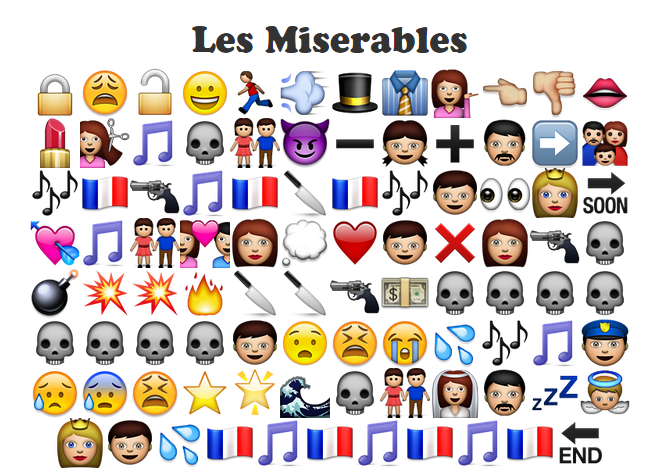
There have been books translated in a very shorthand fashion into emoticons but that’s different to writing a new novel completely from scratch. This is more of a display of concise cleverness, the sort enjoyed by the cryptic crossword types. See for example the translation of Victor Hugo’s Les Miserables below and you will see what I mean.
Xu Bing has written a graphic novel, Book from the Ground, composed entirely of symbols and icons that are universally understood. But these aren’t emoticons unfortunately. But you know he’s onto something when he gets reviews like this:
“While this book might turn off readers looking to escape into a more conventional narrative, anyone interested in experimental fiction, modern art, or a little bit of challenge will be delighted.” — Library Journal
The challenge in writing a whole novel with emoticons is to make enough meaningful sentences that can be strung together to construct the narrative. I have added an example of one sentence in the second image below. A whole book of these would take quite some time to put together; maybe what it needs is a massive online collaborative arts challenge (MOCAC – a new acronym for the day).

It doesn’t surprise me that footy crowds boo Adam Goodes.
Not one little bit.
As a kid on the Leichhardt hill I was a keen observer of footy crowds.
I observed that there is a super sensitive mood detector amongst crowds.
What it means is that an individual that might not even have any negative feelings to an Adam Goodes in private might feel empowered or even encouraged to do so in the crowd.
Many of them won’t even know why they are doing it.
If pressed they would reason that Goodesy is too big for his boots and that it’s not about racism towards him, or hatred towards him because he is confronting their racism.
But the truth is, it is.
That small fraction of the crowd that is outwardly and unapologetically racist are the ones that lead the crowd.
The rest, the weak minded, go along with the mood of viral consensus that sweeps through a crowd.
And the whole shebang lurches towards the total lack of common sense that is racism.
What do we get to see for our troubles?
A bunch of fuckwits that represent an inexcusable stain on our nation.
I personally believe that Adam Goodes is one of the bravest men in the country to do what he does without any thought of a backward step.

1. 42
2. 0
3. 7
4. 1015
5. 51
You’d have to think that unions are due for disintermediation along with the rest of the service industries.
All that the workers in a sector really need is a special purpose free app on their phones that allows them to communicate with each other via all the usual social media channels (one to one, one to many, broadcast, etc).
In addition the app could have a ‘GetUp’ style petition and donation system for specific collective bargaining activities.
My guess is that this style of ‘union’ would get 100% adoption because of the lack of recurring fees and, more importantly, the lack of union officials and their entitled and/or corrupt ways.
As Mike says ‘who wants to pay for hookers and long lunches?’ You could add to that list, who is interested in paying for student politicians to get career jobs in the union movement ahead of their shift to the labour party, absent any real life experience?
You wouldn’t even call the new app a union. For each sector you could come with a sexy name like GetUp and leave the description of the virtual association to others to imagine.
It would be bloody hard for the anti-union types to target a virtual union which wasn’t even a union. Imagine the politician attempting to write laws against virtual aggregation or virtual collective bargaining.


The Marriage Act of Australia states that it is unlawful (not illegal mind you) for people to marry:
an ancestor or descendant; or
their brother or sister (whether whole blood or half-blood siblings)
However, a dodgy person may marry their aunt or uncle, niece or nephew or ‘first’ cousin.
Unless they happen to be the same sex!

I might be repeating myself here. It’s bound to happen.
If certain laws aren’t usually enforced then they should not be able to be enforced at all.
That is, if someone is targeted by the police (or groups that influence them) and they are charged with some arcane law that is hardly ever prosecuted, then there needs to be a good case for letting them off on a generic precedent.
You could insert that into the next constitution.

Who ever thought that when the social progressives got control of the blue collar workers party that their efforts would eventually let the amoral ratbags wrest control of the wealth disparity party from the conservatives?
The conservatives had mostly good values except for the master-servant thing. In terms of social progressiveness they were simply half a decade behind the times.

The Kombi Rule of Consumerism. By all means lust after a 1972 Kombi if all the coolest hipsters have one. But never buy one; they are all paint and rust. The proverbial garden shed on wheels will eventually motivate you to bog and paint, and then lie to the next susceptible fool. Don’t.

My favourite Paul Kelly song by a fair margin is ‘Anastasia changes her mind’.
Oddly it doesn’t feature in any of his ‘greatest hits’ collections.
‘Anastasia left a kiss on the mirror
And a couple of condoms by the bed
I tried to find her on her old number
But I just got her boyfriend instead
Oh it’s hard, so hard
When Anastasia changes her mind’
Worth a listen.

Some people are good at learning knowledge, others are great at using knowledge and yet others are best at creating new knowledge.
In fact for each person you could rate each of these between 1 and 10 and you would find a great spread of characteristics.
I reckon I am:
Learning: 6/10
Using: 7/10
Creating: 9/10
In my experience schools tend to focus on getting students to learn knowledge primarily because this is deemed to be needed before people can move onto the using or the creating. Also it’s easier to assess.
Counter arguing, I think a reasonable argument could be constructed that knowledge can be learned and used at the same time. Even the creation of knowledge can be practised at a young age.
Schools these days do give more of a nod to using knowledge and creating knowledge than they used to but most of the assessment is still related to the learning of knowledge.
Now that’s all good except that those people who have a strength in using or creating knowledge can get assessed right out of opportunities in areas where they might be the great contributors.
That doesn’t seem to make much sense does it?

 offshore westerly