mxx1's avatar

Credit

“Credit” is the third-person singular conjugation of the present tense of the Latin verb credere, “to believe.”. It’s the perceived value of a completely intangible asset, the perception of the probability of someone or something meeting some future obligation. It is usually measured by forecasts based entirely on previous behaviour. That is, credit is nothing more than the blunt assumption that you will behave as you always have. One thing is sure, this assumption is often wrong, and therefore credit is often underpriced. 

mxx1's avatar

Patents Again

A common misconception that I often hear is that companies think that they have “protected” their IP by getting a granted patent.

Not so, they only get to protect their IP when they enforce their patents in a court, and win said court case.

It’s expensive and time consuming business all around.

I would note that they are much better off in thinking about protecting their company’s revenues and profits, rather than their IP.

Once it is thought of in this way, it is often realised that investing all those patent and court costs into new products or services is be a better investment with a higher likelihood of success.

mxx1's avatar

Intangible Assets

Short of a better plan, a few people I know have lately entered into the business of valuing intangible assets.

I have attempted on more than one occasion to explain to them that this is a silly idea, to no avail.

They tell me that options in the stock market, aka derivatives, are commonly valued, so why not other business-related options?

The conditions that apply for listed stocks are:

1. There is a liquid market for the stock, i.e. usually they can be sold at a price
2. There is loads of stock buying and selling data to model

For business options related to intangible assets I would note that there is:

1. Often there is no liquid market, and often an asset can’t be sold at any price
2. Often there is no readily available data of previous transactions to compare an imagined transaction to

Under these conditions no amount of clever mathematics will make up for the absence of a working model for the future, based entirely on past experiences.

So why do people persist in trying to value what are effectively businesses options for the future?

My guess is that because these options cost money to create, business types often feel pressure to justify that investment in terms of a forecast return on investment.

In my view , the investment into intangible assets, where identified as such, should be via an insurance model so that the investment can be justified in terms of reduced insurance premiums to the business.

This would turn the problem over the actuaries. And let’s see if those buggers can come up with say a model for the value of IP to an individual company. They will struggle of course – and the truth will be out.

In closing, I note that it is very easy, after all, to value a lottery ticket. It is worth far less than the price to any individual punter. The actuaries would figure this out and then not offer reduced premiums based on the investment into intangible assets.

I blame our schools – far too many people leave school and uni and go into business with no gut understanding of statistics. There be the root cause evil.

mxx1's avatar

Petri Logic

Yeah but nature will let the bugs eat all the agar agar in the Petri dish, and it will let the humans pollute the planet so it has to start all over again. The penalty? 2 billion years or so. Go back to the start and do not collect $200.

So nature isn’t that smart. But then maybe our ability to connect over indulging with an inability to semi replicate is nature’s way of solving it’s problem with us, and also with the bugs in Petri dishes in general.

Maybe we are closed loop after all.


mxx1's avatar

Closed Loop System

Nature saw us coming.

To account for the issues related to our open loop programming, where there is no apparent feedback loop linking over indulging and not being able to semi-replicate, nature gave us sex drive differentials, where men will fuck anything not tied down, and most things that are. And women are picky. This differential overcomes the lack of a feedback loop in our brains, when you think about it.

Nature itself is closed loop, even if we aren’t.

mxx1's avatar

Expensive Education

I’ve had a pretty expensive education.

As an investor I’ve spent about $200m of other people’s money. As an entrepreneur I’ve spent about another $100m. As an R&D manager I’ve probably spent another $100m. So a total of a $400m education.

My MO had been to milk that money through consultancy fees, guaranteeing a return for myself but not necessarily for the investor. A lawyer yesterday saw right through this and pointed it out to me. Spot on.

I don’t feel guilty at all; my intentions have always been honourable, if not the results. Oddly, in this space the wins teach you very little. Things that go wrong are the real learnings, so long as you dissect them after the fact and place them into a working model, to be tested later on.

Now I have this great skill base and an almost complete working model,  it’s a valuable asset to others. As an advisor I can sit down with any tech company and guide them in the right direction whilst pointing out all the potential pitfalls to avoid.

Which is what I spent my morning doing for a random startup, introduced to me by a friend and colleague.

Such generosity (advice provided for the price of breakfast) makes me feel a little better about that expensive education. It just does; cheered me up no end! The crisp, cool, sunny Bondi morning helped substantially!

Regards the entrepreneur in question; it doesn’t matter too much if s/he doesn’t have the $400m education. All s/he needs, and this morning’s one has it, is the skills to find good people and identify them as such, and take notice of them. Its all about leveraging networks and continuing to leverage them until the good people emerge at the end of the supply chain of people.

It takes the uncanny skill of identifying the good people that know what they are talking about, and believing them. Filtering out the bullshit artists, that often don’t even know themselves that they are so, is one of the skills here, which is a naturally learned skill. Recognising the good people; this takes skill too. One asks the right questions and the good people can explain very complex concepts in simple terms complete with root cause explanations that are easily digested.

mxx1's avatar

Calibration of the Nation

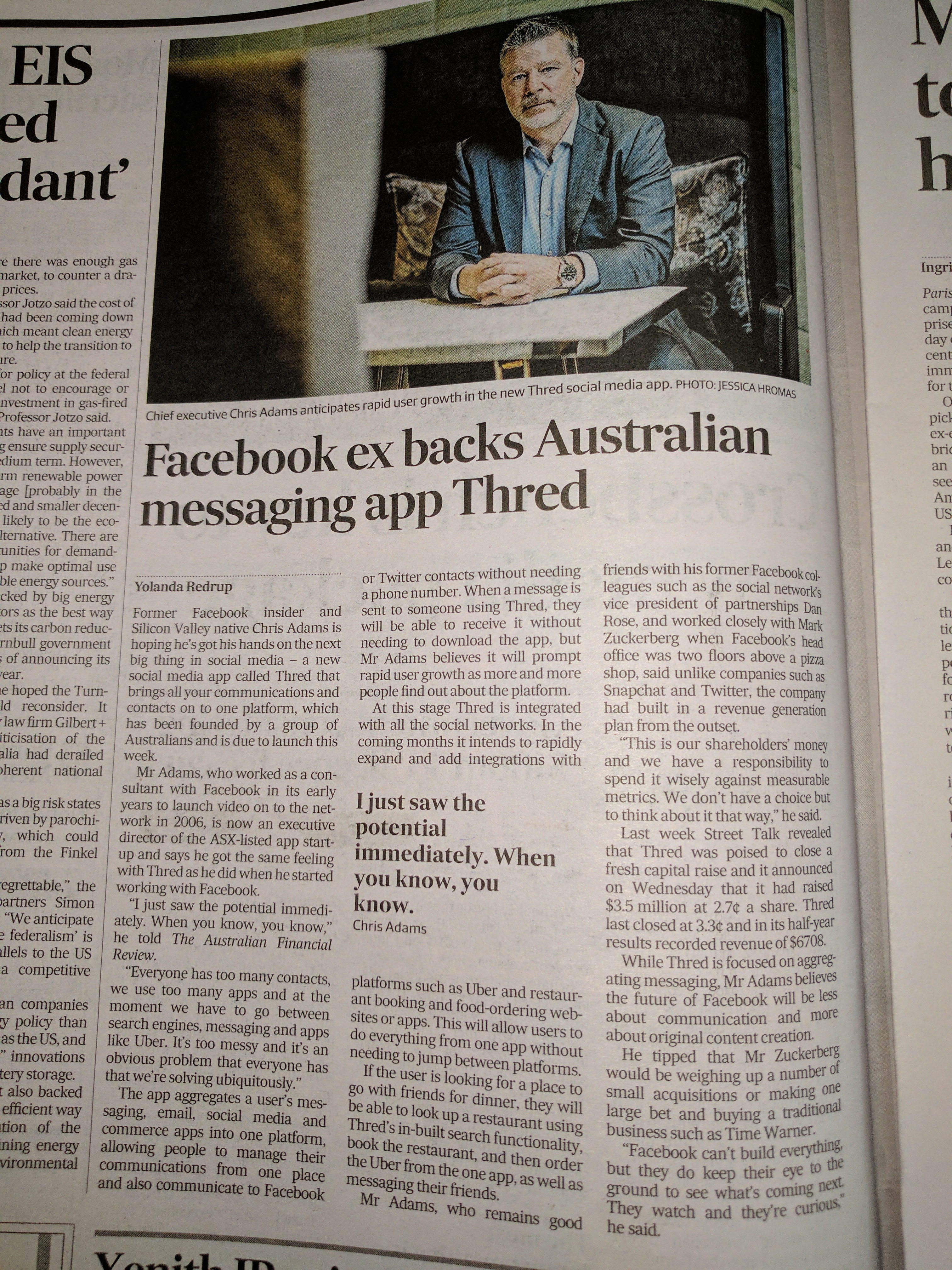
Occasionally I get to read the AFR. Today I get the feeling that we are just about to go over the economic cliff again. There’s enough hints of despair and insanity in there.

Possibly it would be good to plot the market indices versus some parsed linguistics on the contents of the AFR, capturing the prevailing mood of the business types.

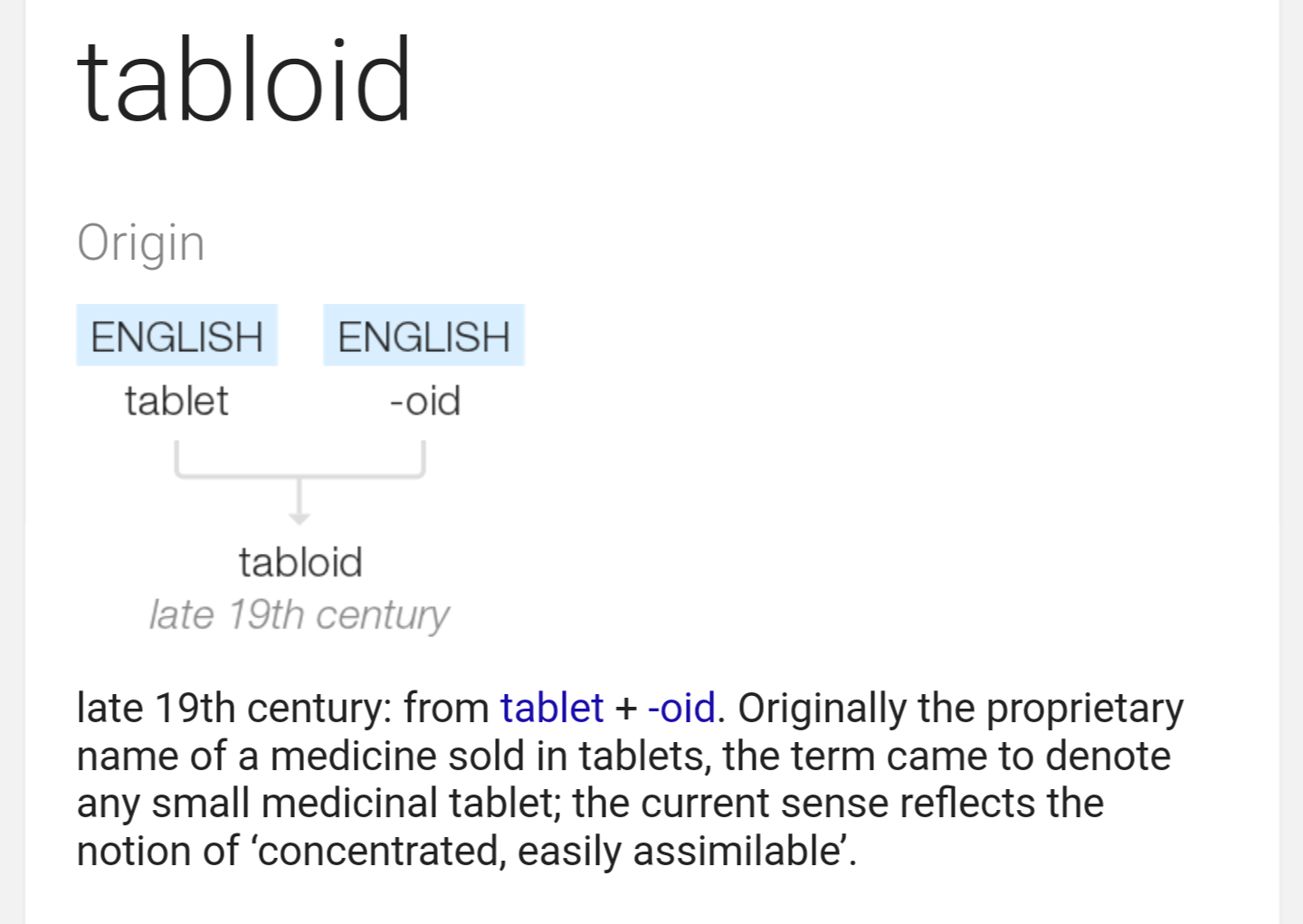
There’s even an article about an Australian listed startup that’s about to (sic) make Facebook and Google redundant, and it hasn’t even got its app out yet. A great calibration point for the madness buried in this tabloid piece of shit.