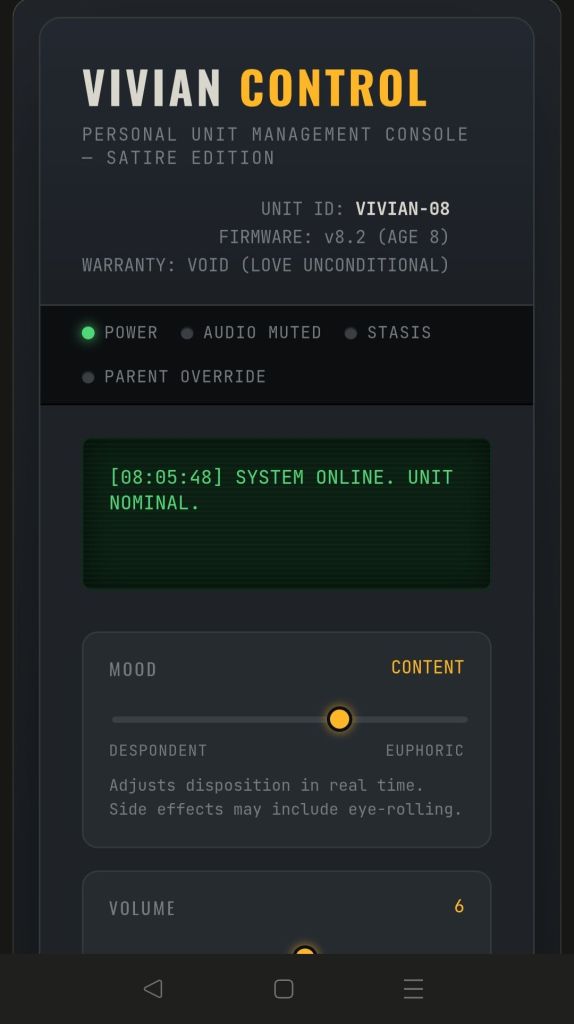
Once again, I am faced with a modern school report.
So straight into GPT it goes for a translation from Educese into English.
“Vivian’s Semester 1 2026 report is excellent overall, with mostly A grades, strong effort, positive behaviour and one clear growth area: asking broader research questions to extend his learning.”
WTAF? – the report actually says “Vivian would benefit from development as a Researcher by using a range of questions to build on current knowledge.”
He is in year 3 FFS. Not his fourth year of university.
I have heard tell that Australian schools have the longest hours and among the worst academic outcomes in the OECD (that is a group of privileged countries, not a psychological disorder).
All that extra time in Australian schools is spent on non-acadmic things like:
Assemblies, parades, awards, behaviour talks, roll marking, lining up, moving around campus, bag routines, toilet routines, water routines, hat routines, lunchbox routines, pack-up time, school-values lessons, code-of-conduct reminders, restorative conversations, anti-bullying programs, wellbeing programs, social-emotional learning, resilience lessons, mindfulness, friendship lessons, conflict-resolution activities, respectful-relationships education, protective behaviours, personal safety, health promotion, dental health, hygiene, nutrition, sun safety, sleep, screen-time, cyber-safety, body-safety sessions, swimming carnivals, athletics carnivals, cross-country, sports days, interschool sport, house events, sport practice, travel time, water-safety and swimming blocks, Book Week, costume parades, author visits, reading challenges, library events, book fairs, Harmony Day, multicultural day, UN Day, language days, cultural dress days, international food days, country-study activities, NAIDOC Week, National Reconciliation Week, Sorry Day, Acknowledgement of Country activities, Indigenous culture lessons, sustainability activities, recycling programs, waste audits, garden clubs, composting, nude-food days, energy-saving campaigns, environmental awareness days, Asia-literacy content, cultural engagement activities, Australia-Asia themed units, student leadership activities, buddy programs, peer support, school captains, house captains, eco-warriors, student council, leadership speeches, religious instruction or alternative supervision, chaplaincy, pastoral care, visiting speakers, charity drives, fundraising launches, community-service activities, ANZAC Day, Remembrance Day, Australia Day, Queensland Day, Labour Day, local commemorations, civic ceremonies, Easter hat parades, Christmas concerts, Mother’s Day stalls, Father’s Day stalls, Grandparents Day, school discos, end-of-term celebrations, excursions, incursions, camps, museum visits, science shows, theatre visits, wildlife visits, emergency-services visits, guest presentations, fire drills, lockdown drills, evacuation practice, safety briefings, emergency-procedure rehearsals, NAPLAN preparation, NAPLAN administration, practice tests, device checks, login checks, test make-up sessions, digital citizenship, cyberbullying lessons, password safety, online-behaviour lessons, eSafety presentations, acceptable-use-policy lessons, device administration, laptop and iPad logins, app problems, password resets, charging problems, headphone problems, permission problems, online-learning-platform overhead, differentiation support, small-group rotations, aide-supported activities, catch-up groups, classroom behaviour management, assessment administration, rubrics, portfolios, moderation tasks, reporting evidence, parent-teacher preparation, student self-reflection tasks, art shows, choir, recorder, instrumental music, dance, drama, performances, rehearsals, makerspace, design challenges, STEM days, coding clubs, robotics, Science Week, engineering challenges, National Simultaneous Storytime, Walk Safely to School Day, Ride2School Day, Clean Up Australia Day, R U OK? Day, Day for Daniel, Bullying No Way Week, eSmart days, cyber-safety days, free-dress days, gold-coin donations, colour runs, fun runs, sausage sizzles, fete preparation, P&C events, transition activities, prep buddy visits, high-school transition, class reshuffles, orientation days, meet-the-teacher sessions, school photos, dental vans, vaccinations where applicable, permission notes, lost property, uniform checks, payment reminders, posters, colouring, display preparation, cutting, gluing, decorating, group presentations and rehearsed performances.
That is, we are developing well-rounded mostly-harmless morons.












 offshore westerly