mxx1's avatar

Blues

Ponder this; “Resilience (noun) or Resiliency (noun) – able to recover quickly from misfortune; able to return to original form after being bent, compressed, or stretched out of shape. A human ability to recover quickly from disruptive change, or misfortune without being overwhelmed or acting in dysfunctional or harmful ways.”

Just to be contrary, sometime I am slow to recover from misfortune, but even so I am hardly ever overwhelmed, nor do I act in dysfunctional or harmful ways. I just put my head down and wait for all it to blow over.

In my view, resilience is the ability to (a) recognise when you have the blues, (b) keep to yourself when you have the blues, and (c) know when it’s all blown over.

mxx1's avatar

AG

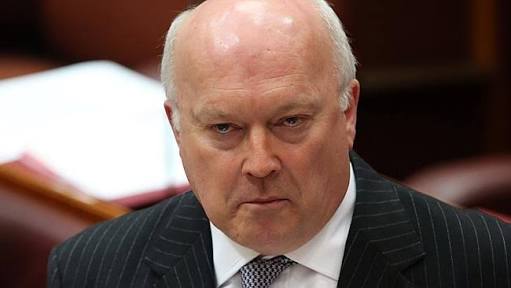
My favorite dickhead of the moment isn’t Donald. It’s George Brandis.

I get the sense that he was the fat kid at school that every one picked on. Then he managed to get a law degree at Mudgee College or something like that, and ended up as a conveyancing solicitor before wedging his way into politics.

It is odd that the Liberal Party seems to attract the least qualified to hold any sort of office. They must have a multiple choice IQ questionnaire that you have to fail miserably before being promoted to a safe seat.

It must also help if you have beady eyes, sweat profusely, and bad breath. Oh, and a hatred of anything that would have been considered progressive in 1960.

And now George is the Attorney General, wreaking vengeance on all those that mocked him, times past.

He’ll end up destroying himself. But fortunately it’ll be slow and delicious to watch.

mxx1's avatar

Problem, free of charge

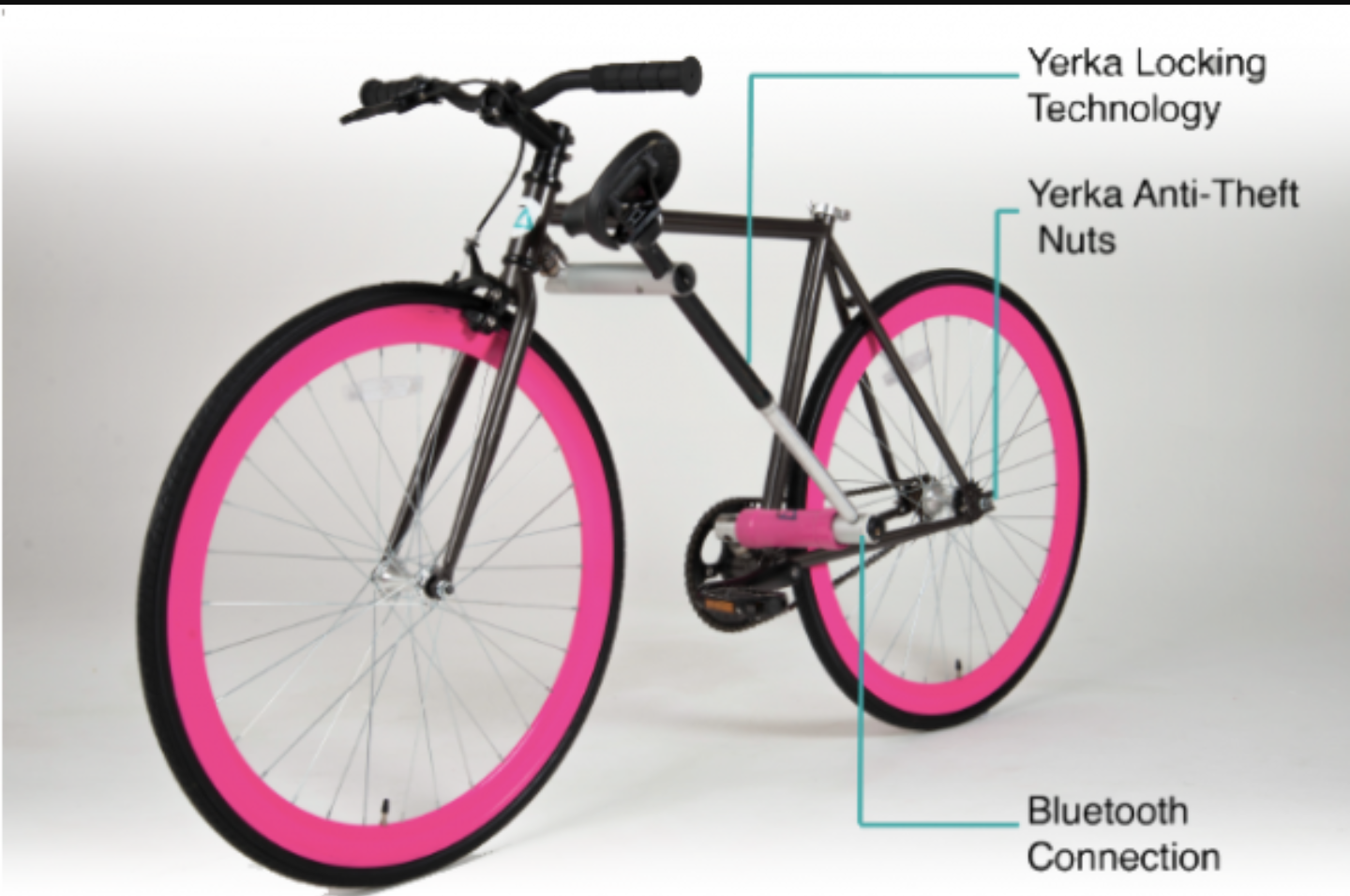
I’m sure it’s not just me that finds the adjustable strap mechanism on bike helmets simply not fit for purpose.

You can throw swimming goggles into that mix as well.

Surely an innovation waiting to happen.

mxx1's avatar

I’m Sorry

It looked OK to start with; a nice late awakening, a sunny day, and a stroll down to the beach for a coffee.

And then my daughter calls to complain about my laggardness at topping up her phone account (which I had already done; she just hadn’t noticed).

Then I sent a humorous text message which wasn’t taken as such. Unexpected back-peddle.

On my bike, a tradie did his best to cut me down at a corner and then got very shirty with me when I pulled ahead of him at the next lights.

At  the very next set of lights another cyclist ran up the back of my bike and then abused me for the results.

Now that I am at work, I fear leaving the building in anticipation as to what may come down upon my head. Especially as the dark clouds have rolled in.

I may have to apologise to Apollo and Athena (they were sharing the arts portfolio back in the day) for slagging off at the artistes of this fine city of ours.

PS yep, sure enough, I just got roundly abused by a motorist for holding him up at a round about. I suggested to him that such behaviour was very unwise given that half the cyclists in Redfern are mad crack heads.

PPS so I’m riding home at the end of the day and it starts raining. Then I get a screw in the back tyre and have to walk the thing 5 km’s in the rain. Mind you, I just changed that tube two days ago. Oh, and I was very lucky not to have a head on with a motor bike as well.

screenshot_20161025-21483201.png.png

mxx1's avatar

Inspired Awe

Next year I might make a few hundred tiny, tiny micro-thongs and sprinkle them in the grass at Tamarama.

The juxtaposition and Lilliputian dissonance, not to mention the view from outer space, will inspire awe and religious fervour amongst the punters. It’ll make them reflect on their place in the universe. It may even cause them to consider the meaning of life. The sheer novelty and beauty of my creations will make our whole society pause for a moment to consider matters other than greed and consumption.

And, being hidden in the grass, my micro-thongs will be safe from acts of Poseidon.

mxx1's avatar

Trickle Down

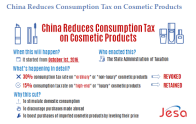
The Chinese government has just announced a new plan that “aims to not only upgrade the economic environment, but also to reduce bureaucracy and enhance entrepreneurial spirit as well as innovation.”

The plan?

“The main step has been the substitution of the Business Tax with the Value Added Tax” and also “a cut in labour costs to decrease contributions for social security.”

Imagine an Australian government trying to sell a zero tax rate on corporations, a doubling of the GST, and a complete cut to corporate contributions to superannuation?

Clearly the Chinese government types are big believers in the trickle down effect and their own unassailable grasp on power.

Which is a bit of a paradox really; former communists with an authoritative clientelism political structure adopting self-serving neoliberal policies.

They are either right, and the trickle down effect is their best bet, or they are wrong and that gap between the rich and the poor will bite them in the bum one day very soon (my bet).

It is fascinating to ponder whether this approach is genuinely considered the best course of action (by the very soft-minded), or whether it is just greedy people getting even greedier.

Untitled.png

mxx1's avatar

2 Kings 6:1-7

It’s very hard to let this one go through to the keeper.

Scene: Tamarama

Subject: Sculpture by the Sea

Object: Genius artiste takes some everyday little thing and makes it very big

Divine intervention: King tide and big seas

Result: where’d me fucking thong go?

Now that’s art.

mxx1's avatar

The Last Ten Pages

It takes time, but once you’ve convinced yourself, if you apply a consistent mindfulness to the subject then eventually you can be the change that you want to see in yourself.

Changing the world however, now that’s quicksandish, no matter how well intentioned. At best, you might accidentally inspire a few people that know you, if they are so inclined.

Thereafter, it’s all grist to ego, or so I currently believe. The process of feeding the ego sucks out the capacity for mindfulness, as required in point one above.

This a paradox that can’t be subverted unless your penchance for subversion starts and ends in your own neocortex, wherein none of this would make any nonsense.

mxx1's avatar

Bledisloe

Because the Wallabies were only down by 5 points at half time I tuned in to watch the second half.

They lost the game, again, because the backs missed a series of tackles. And then the momentum just went against them.

There’s not a back in the entire NRL that would have missed one of those tackles. Just saying.

mxx1's avatar

Gibberish

Now here’s a conundrum. 

They discover an interview of one of your all-time favourite (and very dead) authors on the subject of one of your all-time favourite (and just alive) singers/songwriter/poets.

“He can maybe get one good line in a song, and the rest is just gibberish,” Vonnegut said of Dylan.

mxx1's avatar

Grant

This little beauty is part of a federal government product development grant application that my company is looking at right now.

“Add details of up to three types of usage. Usage costs are the costs associated with the uptake, application or adoption of research outputs by external parties that are not included in the input costs. Usage is the cost of deploying the research. The usage cost should take into account the amount of time and effort required to achieve impacts. Depending on the nature of the research activities within the project, usage might include – publication; patents; trials; products; prototypes; technologies; training packages; PhD student commencements and completions; SME or international engagement.”

I’ve read it, oooo, about ten times now and I still don’t know what they mean.

Do they mean for us to project future sales?

Or to project the costs to the company of taking the project outcomes to market, after the grant is finished and before sales start?

Or is it COGS and margin they are after?

Or to project the costs to the company of taking the project outcomes to market, after the grant is finished and before the whole thing is cashflow positive?

And why do they mention PhD students and publications?

Why do they say ‘time and effort’ when they ask for ‘costs’?

It’s oh so confusing.

Postscript: I figured it out. They see costs in three categories; the cost of the project (which they are co-funding), other ‘other costs’ of taking the technology to market including COGS when its in market, and the usages in the market – essentially the price times then number of units sold. Then they calculate a BENEFITS RATIO being the usages divided by the sum of the costs. Presumably they use this to sort the grant applications into some order of ‘impact’, probably a pre-filter so they don’t have to read half of the applications.

But it makes no sense because they don’t say use the top three in each of these categories, just any three. So it can be gamed. Also, ‘other costs’ and usages equates to COGS (to supplier) and price (to customer), so these are double counted. The BENEFITS RATIO should be (usages – other costs) / project costs – which is profit/project costs.

It shows a complete lack of understanding of business economics and finance.

mxx1's avatar

A good duck

Having said all that, the very worst thing that a parent can do to a child is give them cause to believe that they are not loved.

Many parents realise pretty quickly that they can’t create in a child the person that they themselves dreamed they could be.

Kids are who they are. Formed with whatever defines them from the soup of biochemistry.

In truth not many parents get this, only a few. The power of marketing overcomes many of the feeble minded.

What parents can do, by making their love conditional or, worse still, absent, is to create a tumour in the emotional centre of a child.

I suspect that these issues are multi-generational, passed on and on by folks unable to break the mould.

It’s been my privilege to know quite a few people that have taken it upon themselves to be the generational mould breakers.

Their lives aren’t easy but their legacy to the following generations is a testament to their strength and courage.

mxx1's avatar

Warm Oil Bath

Being aware of and curating your feelings, in process, is a very personal experience.

My belief is that it’s so personal that you should be very cautious of expressing such manifestations outwardly.

Primarily because it’s a process that takes time and to share the journey can be akin to knifing the black cat in the box.

That is, shared observation run the risk of ruining the experiment by introducing false data.

The experiment doesn’t necessarily survive measurement, if you will.

The solution is to wait until you’ve arrived somewhere and test the results with those you trust and that have attained some degree of wisdom. 

Then the fat can be chewed when you’re in state to taste.

Feelings; at best they’re on your side, if you are too. 

But they have their own motives to be sure.

It all comes down to whether you see yourself as a gestaltian whole or a warring biosphere of greedy micro-replicants. Or both.

My faith on the subject, derived from some well-curated and totally uncorrelatable beliefs, is that the path to peace is twofold.

And the conundrum here is that the two approaches run contrary to each other.

Firstly, work through and embrace the feelings as if they are obscure pieces of a puzzle that will lead you to wholeness.

Others call this wellness, being the opposite of the illness of the soul.

But secondly, you must challenge the feelings too. Challenging them is very different to attempting to deny their existence.

It all depends where you want to end up.

Noting that feelings are both positive and negative, the common failing of us humans is to masticate on the negative ones and wallow in the positives 

There lies the beginners mistake.

There’s as much to be learned from picking apart those good vibrations.

And a final note; there’s no right path and there’s no right state of desire, when it comes to feelings.

One person’s hell is another’s warm oil bath.

I’ve known artists, for example, that would rather die than give up their driving existential angst.

And I’ve met folks without a care in the world that could be flattened with a warm lettuce leaf.

mxx1's avatar

Rolling Maul

I’m really quite glad that Bob got a Nobel nod for literature, no matter what the motives were (probably shoring up the US market).

I can’t think of a wordsmith that’s had more impact. Yes, dot.

And mostly he crafted it with sublime and yet accessible originality. And with unphilosophical grace.

Uniquely, for the young and eager, it will be a pleasure to catch up on the works of the so awarded.

Many years back, under just such circumstances, I recall tough-mudding my way through Patrick White’s Voss.

Surely he could write, but I concluded that his primary motivation was to display this fact.

Towards the end of the Quixotic crusade I was planning a micro-bonfire.

When the purpose of, and the motivation behind art is art, then you have one of those situations where the question and the answer are Vennishly co-located.

The results can be clever and intriguing but never inspiring, nor motivating. Unless among the sponges one includes the similarly deluded and their fawning devotees.

Which brings me to my core hypothesis – great art requires two ingredients; great artistry and an absence of locational dissonance.

As in, if you’re heading anywhere interesting then you wouldn’t be starting from here, mate. If here is where I think it is, then so is there.

No one is quite sure whence Bob emerged. However it was undoubtedly not here nor there; he just made his rounds.

You could follow him to the end of the world and probably not regret it.

mxx1's avatar

Noble Lorem Ipsum

The latest Nobel Laureate once wrote;

“You either got faith or you got unbelief and there ain’t no neutral ground”

The way I look at it, you might have beliefs but you have to really care about them to curate them into a faith.

In which case there is neutral ground, being those beliefs that you don’t care too much about.

I’ve got plenty of these. 

An example would be that I truly believe that another person may have beliefs that they care about so much that they’ve curated them into a faith.

I’m not about to turn that one into a faith. 

I see it more as an emergency parachute for when I’m stuck chatting to the deluded faithful.

mxx1's avatar

Request Not

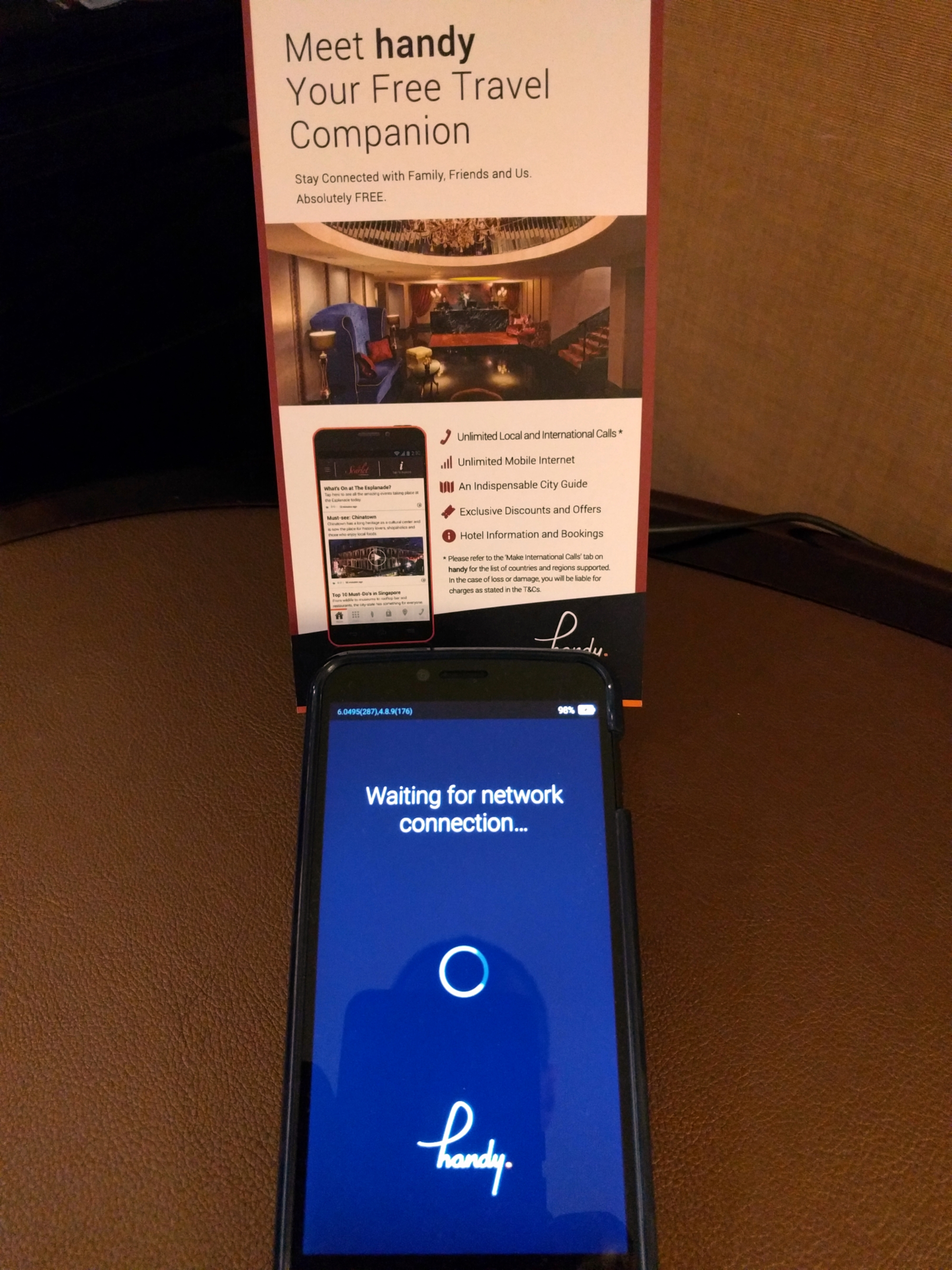
My hotel room comes with a free loaner smartphone with unlimited usage of data and calls while I’m staying here.

Oddly enough they have turned off the hotspot function, which would be the only useful feature for me.

Now here’s the puzzling aspect of the beast; anyone inclined to use a smartphone probably has one by now.

So it’s either a case of a business innovation created by a government agency, or the true ROI is based on piracy of data (after some fool enters their Google account details into the loan phone).

mxx1's avatar

Belief

Overheard last week outside the song of hills church…

[earnest twenty something girl to a possibly less earnest twenty something lad]

“Because God’s not human he can’t tell a lie.”

Talk about scrambling one’s sophistry.

When you properly examine the proposition it’s at least four dimensions removed from any known form of rational thinking.

I wanted to yell back at her;

“Because humans ain’t gods they can’t tell the truth.”

Mine’s better.

mxx1's avatar

Root at the Pigs

At the moment it’s hard to eat in Singapore without ingesting truffles. Bits, bobs, oil, you name it.

Damned odd; they’re in everything. It’s a fad; all in and bugger any sense of savoir faire, gastronomical or otherwise.

As nice as truffles are, their impact is somewhat kimchi-ish; after day two you’re looking for the exit.

Given the sheer quantity of truffles that are being consumed I’m suspecting that the Chinese have cracked synthetic truffle oil production. Sneaky buggers.

mxx1's avatar

Planning & Reporting

It’s damn interesting working with undergraduate students on genuine product development projects. 

Mostly they (the students) are technically fantastic and very motivated.

What they universally don’t have is any real appreciation for reporting and planning.

I’m trying to recall with no luck, but I’m sure it takes years to learn the hard way that a minute spent on reporting and planning is worth an hour in the bush.

The university tries valiantly to provide training in reporting and planning but I don’t think that it works because the trainers themselves are pretty shit at it.

No that’s unfair; the trainers know it’s important but their appreciation is cargo cultish. They themselves don’t need it much.

I can’t teach the students because they aren’t receptive as yet and I’ve learned over the years not to annoy one’s resources.

Indeed, I’ve also learned to do the planning and reporting for my troops where that is unfortunately the more efficient approach.

So the graduates will eventually learn it the hard way when they are usefully employed. Or not.

mxx1's avatar

More on peering pressure

And finally, an ‘explanation’ for peer pressure is given below. Truthfully, it’s a hypothesis that says pretty much nothing. The explanation looks the same as the behaviour it is trying to explain!

“An explanation of how the peer pressure process works, called “the identity shift effect“, is introduced by social psychologist, Wendy Treynor, who weaves together Leon Festinger‘s two seminal social-psychological theories (on cognitive dissonance, which addresses internal conflict, and social comparison, which addresses external conflict) into a unified whole. According to Treynor’s original “identity shift effect” hypothesis, the peer pressure process works in the following way: One’s state of harmony is disrupted when faced with the threat of external conflict (social rejection) for failing to conform to a group standard. Thus, one conforms to the group standard, but as soon as one does, eliminating this external conflict, internal conflict is introduced (because one has violated one’s own standards). To rid oneself of this internal conflict (self-rejection), an “identity shift” is undertaken, where one adopts the group’s standards as one’s own, thereby eliminating internal conflict (in addition to the formerly eliminated external conflict), returning one once again to a state of harmony. Even though the peer pressure process begins and ends with one in a (conflict-less) state of harmony, as a result of conflict and the conflict resolution process, one leaves with a new identity—a new set of internalized standards.[35]

My guess is that peer pressure is just another aspect of the socialisation benefits of reciprocal altruism towards family, friends and even strangers.

Reciprocal altruism must be catalysed by conformity because it reduces the barriers to communication by making others look less scary.

Conformity, in turn, is accelerated by peer pressure.

mxx1's avatar

Data From Wiki

Nice one Wikipedia…

​”A variety of factors identified by Forsyth (2009) have been linked with likelihood to conform to peer pressure.

  • Unanimity – When all of the members of a group are performing the same action, individuals are more prone to conform.
  • Group size – Likelihood of conforming to a majority increases as group size increases with a peak conformity in groups of seven (although the difference in likelihood of conformity between a group of three and a group of seven is not statistically significant).
  • Independence of decision – if group members reached their decision independently, people will be more likely to conform compared to decisions decided upon as a group.
  • Gender – Women are more likely to conform than men, especially in face-to-face, non-anonymous situations (Nord, 19679; Hare, 1976).
  • Culture – Members of Eastern (collectivist) cultures are more likely to conform than their Western counterparts, especially when the influence is a family member or a friend.
  • Age – Conformity increases with age, until adulthood where people show more independence in decision making.
  • Authoritarianism – Individuals who respect and obey authorities are more likely to act in accordance with social convention.
  • Birth order – First-born children are more likely to conform than children born later.
  • Intelligence – People who score lower on IQ tests are more likely to conform than people who score higher on IQ tests.
  • Self esteem – Individuals with moderate to high self-esteem are less susceptible to peer pressure than individuals with low self-esteem.”


mxx1's avatar

Solar Pressure

An interesting report from a solar industry analytics company…

“The company developed a machine-learning model to sort out which factors were most salient in predicting [a domestic rooftop solar panel] installation, using an impressive data set that included mutual-fund investment, interest in the outdoors and ‘high-life behaviour’. Among all these, [by far] the most likely predictor of having a solar panel was having a neighbour who had installed one.”

I’d imagine that if you talked to the average owner of a rooftop solar panel installation they’d waffle on about saving money (over time), energy independence and even ‘making the planet a better place’. However no one would suggest that the solar panels improved the look of the place; they’d go silent on that one.

And yet, it’s all about keeping up with the Joneses.

They call this ‘peer pressure’. Having never thought about the expression before I guess it is the pressure to conform to what ever the neighbours have done.

Having said that I am sure that the peer effect is broken up into two broad groups on a Gaussian distribution; those that want to keep up with the neighbours (those that feel peer pressure) and those that want to create the pressure on their neighbours in the first place (the early adopters).

Every strategic marketer must knows this. New product introduction would be all about identifying the early adopters and giving them all the incentives they need to fuck with their neighbour’s heads.

Assuming all the folks just want to fit in as much as each other, the early adopters must just calculate the risks and rewards of early adoption just that little differently.

The benefits of being first must carry a weighting factor for that internal calculation of ‘belonging’ that outweighs the odd failure (where none of the neighbours follow their lead).

I can feel a multiple choice questionnaire coming on, resulting in everyone getting a score out of ten on the ‘Peer Pressure’ index.

’10’ for the absolute early adopters (that probably built their own solar panels rather than waiting for them to be commercially available) and ‘0’ for the last person in the street to adorn their roof with the aesthetic blight of out times.

Untitled.png

mxx1's avatar

Plea

Wallabies, wallabies, wallabies … see exhibit A below. Their new plan is to be execute their losing strategy even more efficiently. They even announce their plan ahead of time to make sure of it!

Were I given the chance I would change their game-plan and the players. They are not going to beat the All Blacks at running rugby for, oooo, about another century or so.

So, I would suggest Kick Long and Defend Really Hard. Bugger running with the ball.

This would mean fielding the 15 best defenders in the game. I wouldn’t worry too much about their attacking capability or positions; this makes it easier to pick the best 15 defenders.

I would make sure there’s at least 2 great long kickers in there. And I would keep giving it back to Kiwis deep in their half. I would keep those kicks in the field of play and tempt the Black to run the ball out, which they would.

I wouldn’t get all fussed about contesting the line-outs; let them have it and take the benefit of not having a couple of useless jumpers in the team.

Tap re-starts from penalties would be the norm where possible rather than kicks for the line, followed immediately by long raking kicks deep into the other half..

If ever with the ball in hand on the attacking line then plan would be one of; (1) a rugby league bomb, (2) a drop goal, or (3) a rolling maul.

The scrum would need to be strong but I am guessing that a team of hard-nut defenders would have a good scrum. I’d push the scrum as hard as I could then roll it into a maul where possible. Then kick the ball long the second it comes out unless of course they happen to be near the line (bomb) or over the line by some miracle (place).

It sounds boring but Total Rugby needs to be counteracted with something quite novel like Total Defense.

If you can’t beat  the fuckers at their own game then don’t play their game, for god’s sake.

untitled

mxx1's avatar

Arability

Arable land after recent increases is now a stable fraction of global land mass – see data below.

This is because arable land is defined by the Food and Agriculture Organization as land under temporary crops (double-cropped areas are counted once), temporary meadows for mowing or for pasture, land under market or kitchen gardens, and land temporarily fallow (less than five years).

So the data below is not the amount of land that is potentially cultivable, rather that which is being cultivated.

The amount of land which is potentially cultivatable has probably decreased over the last few years due to climate change and environmental degradation.

But technology allows land to be cultivated that previously wasn’t viable.

So the more interesting plot would be the % of potentially cultivatable land that is actually being cultivated. My guess is we’re close to 100% already.

As an aside the arable land already uses about 70% of available fresh water sources.

untitled

mxx1's avatar

Passion Fruit of the Loins

My old mate in Melbourne has a ‘passion for writing’.

It results in one blog entry every six months.

I suspect it’s really a passion for having a passion for writing.

Let’s called that a passion-squared for writing.

mxx1's avatar

Brave New World

“Prior to the industrial revolution Mercantilist corporations focused on trade. The Mercantile principle is that land is the source of all economic power, therefore the only way to grow value faster than your land holdings permit is to trade on advantageous terms. Mercantilist thinking is a fundamentally zero-sum way of viewing the world – you take and somehow else loses.

Then along came the Schumpeterian corporation and the industrial revolution. Innovation & ideas powered by essentially limitless fossil-fuel energy. The equation was simple; energy and ideas turned into products and services could be used to buy time. Specifically, energy and ideas could be used to shrink autonomously-owned individual time and grow a space of corporate-owned time, to be divided between production and consumption.

Two phrases were invented to name the phenomenon: productivity meant shrinking autonomously-owned time. Increased standard of living through time-saving devices became code for the fact that the “freed up” time through “labor saving” devices was actually the de facto property of corporations (e.g. through viewing of TV and magazines).”*

However we are close to Peak Attention. The ROI on developing new technologies that mine an individual’s time (which is finite) is getting pretty low. In essence we wandering into another zero-sum game.

As a corollary, you can also feel the affect of Peak Attention in business; the life-cycle of a new product is short due to competitive pressures (too many companies chasing the same opportunities). The ROI on innovation usually only makes sense when you lie to yourself and your shareholders. Even IP protection doesn’t help; the mountain of prior art has white-anted that angle too.

So what happens next?

I suspect that businesses simply won’t be able to employ all the people that they do today. In fact the corporate sector will shrink in size, both as a fraction of GDP and in the percentage of the population it employs.

Governments will therefore  step in and be the leaders in creating employment, whether that is directly or indirectly. This employment will have the sole purpose of keeping common people (the gammas) occupied for as much of the time as possible so that they remain vaguely satisfied and also such that their consumption is controlled. The precursor to this is the Nanny State where government mandated services create value-destroying employment.

In this process, some power will transfer from the corporate sector to the government sector. However the corporate sector will hang on to much power by controlling the dwindling physical resources. Governments will let this happen because it represents the best retirement plan for politicians. The corporates will essentially be wealth banks for a small fraction of the population, the alphas, that will consume much more than the rest.

A small fraction of the population (the betas) will freelance and not be captive to the unproductive services sector. These people will have the capacity to exploit the eddies in the flows of wealth created by all that government effort at near full employment.The beta’s existence will be for their own benefit only; the system will not depend on them because it will not need their incremental productivity gains.

Renewable energy will become essentially limitless unlike physical resources. This will favour the adoption of technologies that use up people’s “free” time with IT and not the consumption of physical resources.

The gammas will start to enter the Matrix. The alphas and betas will have the privilege of not doing so, if they so wish.

I didn’t need deltas or epsilons in this model.

* lifted from http://bit.ly/1fVTX8f – this author couldn’t imagine the brave new world

mxx1's avatar

Dosimeter

I’ve come to the conclusion (for now at least) that, as a principle of modern socialisation, the radiation of empathy towards strangers is much over-rated, simply because the scammers take advantage of all that misplaced empathy.

They do this by abusing yours or imitating it, or both.

New hypothesis; cautious respect towards strangers is far more useful.

mxx1's avatar

Lotsa Dots

There’s quite a difference between controlling one’s behavior and taming the subconscious.

I could expand on the theme but, for some reason, today I prefer to be economical with words.

If you’re capable of understanding this hypothesis, then you will.

mxx1's avatar

Public Holiday Suggestion

Today is the day that they make the very last Ford Falcon.

Virtually unchanged since first released in 1960 (with the odd re-skin), Falcon sales have gone backwards of late.

It was a good idea at the time. It isn’t now.

It’s demise also foreshadows that of the taxi industry, it’s primary customer.

All up, it’s a very good day!

My antipathy towards the Falcon comes from a number of sources; 

(1) lack of excellence – it has very average engineering, 

(2) hypocrisy and delusion – self-serving local motoring pundits have always deluded themselves (and us) that it’s a great car, 

(3) exploitation – by an American corporation applying the lowest common denominator principle upon Australians, and 

(4) comfort and safety – before Uber a taxi ride was always cause for serious trepidation.

mxx1's avatar

Pop

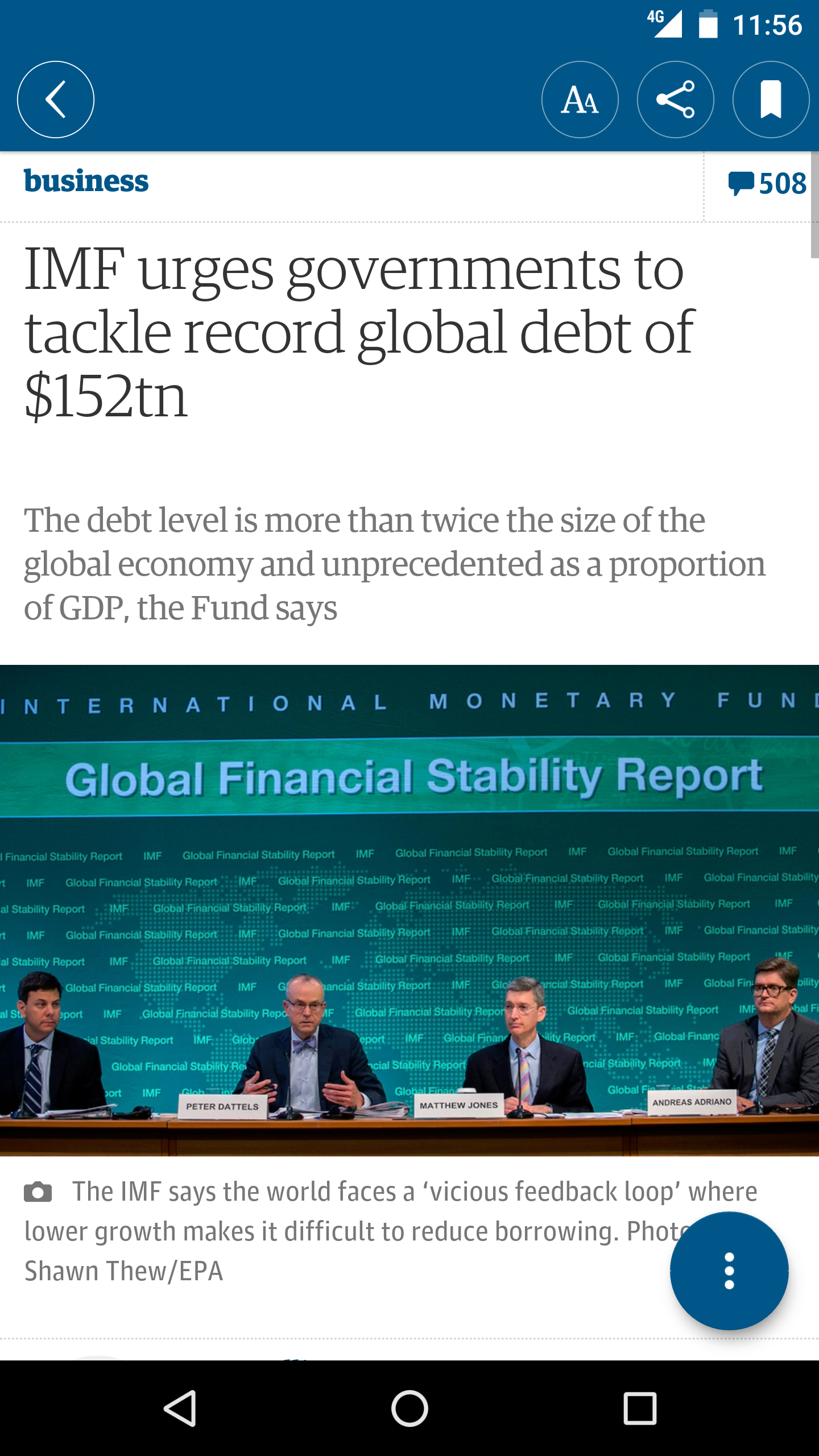
“The  IMF has urged governments to take action to tackle a record $152tn debt mountain before it triggers a fresh global financial and economic crisis … [this is] 225% of global GDP, with the private sector responsible for two-thirds of the total … [the debt is]  concentrated in the advanced countries of the west and some of the big emerging market economies such as China.”

The problem is that repayment of debt from the private sector relies on robust sales and a buoyant economy. Many times when companies can’t repay their debts the creditors end up with little or nothing. So a large fraction of that debt is at risk, which in turn puts fear into the markets that in turn can cause the very conditions that ensures that the debt is never repaid.

I believe that one of the largest issues is that lenders to Western companies haven’t adjusted (up) the risk factors associated with lending to operating companies that have Chinese competition.

Chinese competition, financed by low cost government-related finance, has made many business sectors totally unviable for Western competitors.

However the Chinese themselves often operate in loss-making bubbles, propped up by a government intent on jobs and growth in wealth, and with little investment in innovation.

The only answer, unfortunately, is that the Chinese bubble goes pop. Short of this I can’t see things improving.

It’s the only way they will learn that, although it appears that you can have a free lunch, don’t expect it to be magic pudding too.

And it will go pop. Because, apart from the the largest mismanagement of an economy ever undertaken, we also have the impact of rapid global unemployment as information technology J-curves on us.

I have no idea what the other side will look like.

mxx1's avatar

Minority Report

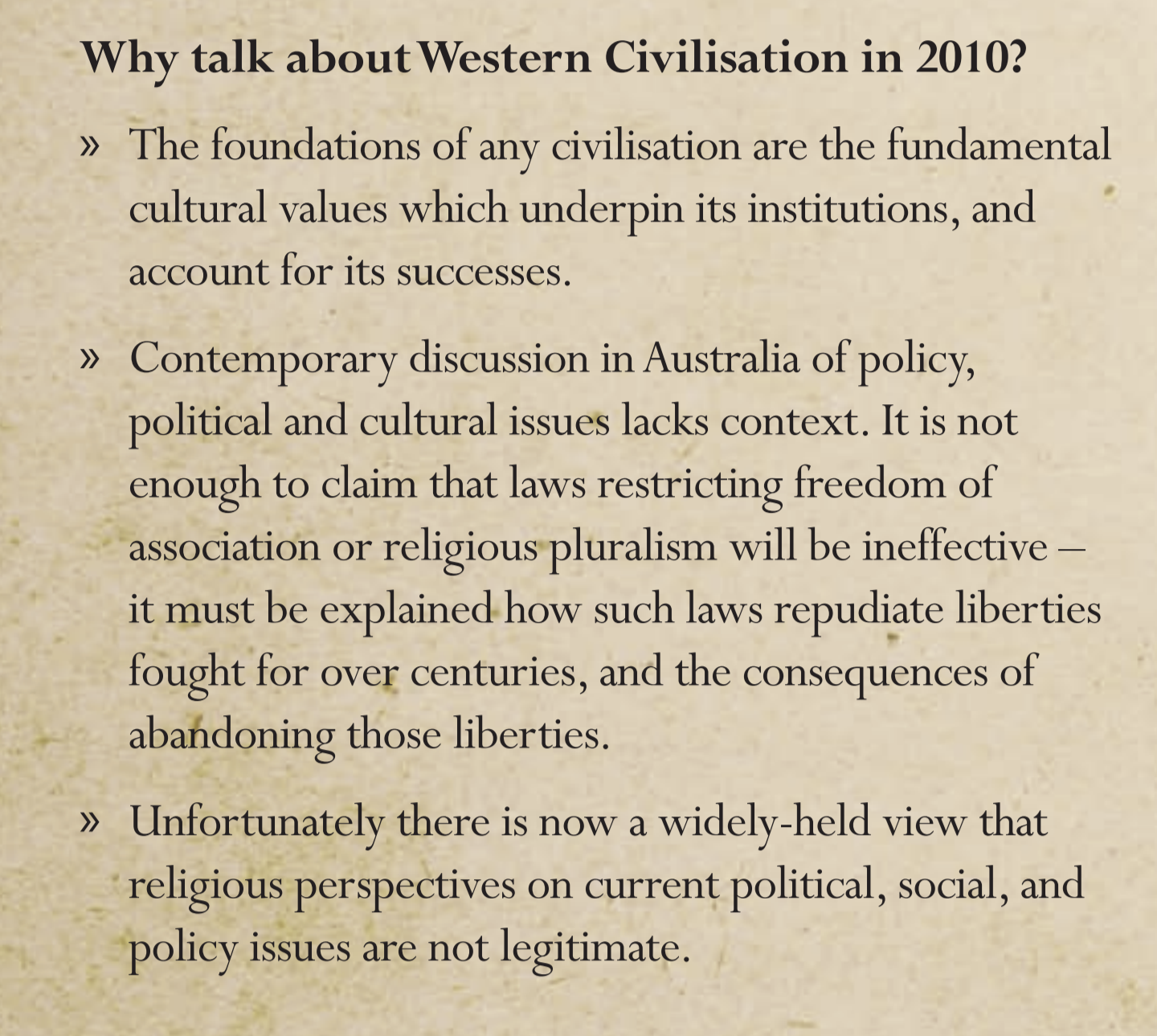
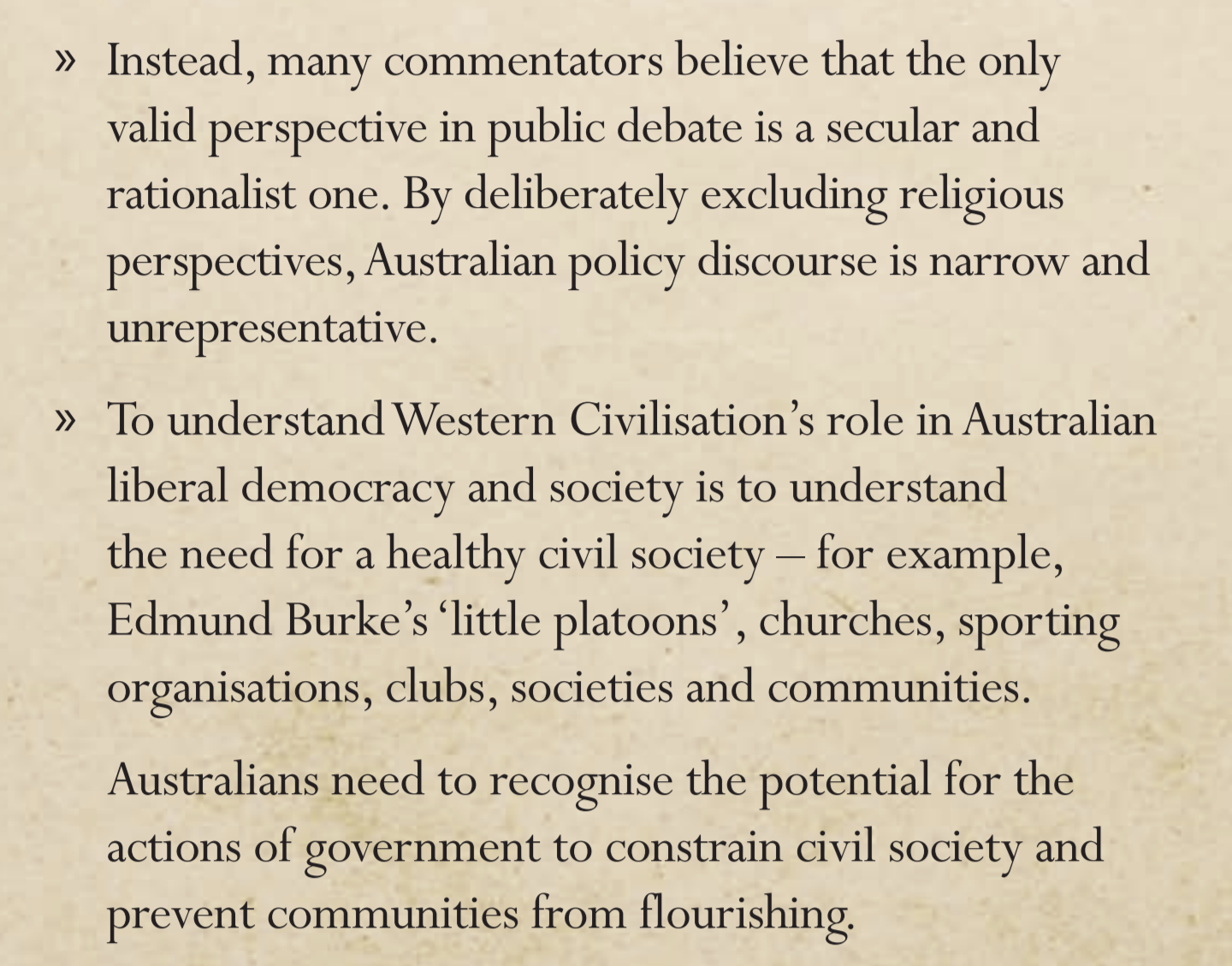
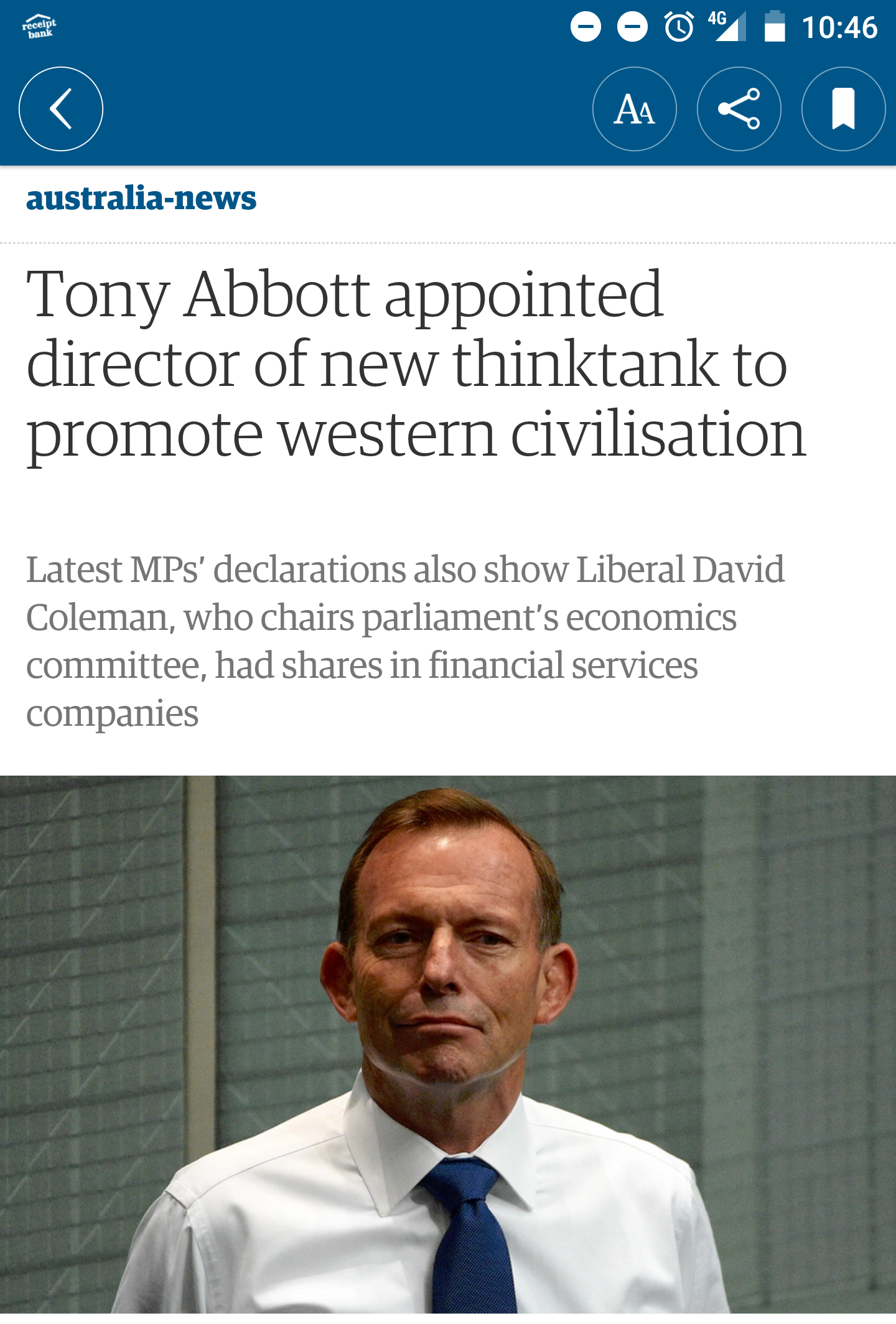
Intrigued, I went looking into the Australian think-tank on Western Civilisation.

Heading straight to their prospectus (where do I buy shares?), I discovered the problem that they want to solve – see exhibits below.

In a nut shell, the Christian churches and related conservative religious types feel that they are being marginalised with respect to the influence they have on laws made in parliament.

With genuine Christian religious participation dropping to single digit percentages of the population one could counter argue that representation in parliament is as it should be.

Line up with the all other minorities, I say!

And they sort of know they’re up against it. They don’t call themselves the Christian Democrats or something like that. 

No they hide behind a visage of protecting Western Civilisation; an attempt to attract the racially exhausted bogans.

Both groups would like to conserve the whiteness of Australia but otherwise have little in common. It won’t work.

mxx1's avatar

Personal Space

The personal space around a human being is actually a cylinder with the central axis running somewhere through the neck down to the groin and then the ground.

Oddly enough the radius of the cylinder is a fixed value and is not adjusted for fat. 

Indeed, certain fat people actually exceed their own radius of personal space!

In circumstances where this intrudes on the personal space of others they simply learn to adopt a disingenuous pose of unawareness.

They do this even if they go the whole hog and intrude on someone’s actual physical space, say in economy on an aeroplane.

My unrepentant view; if you’re this fat, don’t fly if you can’t afford business class. 

mxx1's avatar

Kharma

I’m imaging a latitudinal study looking for correlations between various mental illnesses and the time it takes to get a boarding pass at the old-school international counter (with service by humans and all that).

We all know there’s a correlation there. I don’t know how we know, we just do. The madder they are, the longer you wait.

Firstly there the delusional types that want a bunch of unpaid-for concessions such as upgrades, forward seats with empty ones next to them, four empty seats for a sleep, etc. 

Then there are the deeply insecure folks that worry about the type of plane, the experience of the pilot, etc, and expect the desk jockey to know the answers.

Those with Alzheimer’s ask time and again where the departure gate is.

The narcissist stands there for five minutes after being served, zipping up pockets and bags and checking for their various paper accoutrements, blocking the counter for use by others.

The family of dullards impacted by the lead in the soil under their house will certainly take half an hour to check in. Odd members will wander off only to be shouted at to come back at critical moments.

Yes, I believe a study of these behaviours would be very revealing. All it would take is a camera and a microphone, which are probably already in place.

I’m guessing that mental illnesses and deleterious character traits all act to concentrate the attention on the self (as do all illnesses) thereby reducing a person’s sensitivity to the needs and desires of those in the queue behind them.

Or, conversely, one could say that a sign of good mental health is empathy in its broadest sense, to kin and to strangers, whether one owes them favours or nowt.

Kharma begets kharma. Which is yet another reason why intervention in mental health issues is so important.

mxx1's avatar

Amendment 24 and a half

Donald “as a businessman has a fiduciary responsibility to pay no more income* tax than necessary.”

Who knew? But it’s probably true that in America one does have a fiduciary responsibility to the self.

It’s probably amendment 24 and a half, or something like that, to the constitution.

Imagine being jailed for charitable donations to the national treasury?

On the subject, America would be better off just scrapping taxation and printing ALL the money that their governments spend.

Oddly though, this would put the highest burden of taxation on the wealthiest 1% (that own some stupidly high fraction of the national wealth) by devaluing their currency at hand. 

They’d respond by getting out of cash or America (like they do now).

So all this flat-rate approach would do is save everyone else from filling out tax returns. Still worth it, I reckon.

* – reports on Donald’s tax aversion seen to be written by financially illiterate reporters. I can’t for the life of me figure out whether they’re talking about his personal income or the taxes of his companies and trusts.

mxx1's avatar

Antisolarceuticals

Certain malaria drugs sensitise one to the burning effects of solar radiation.

It’s a wonder that some enterprising pharmaceutical corporation hasn’t looked for other drugs that desensitise one to solar radiation.

That is, I hate the slop in slip, slap, slop. A lot.

mxx1's avatar

Hermit Crab

It is common wisdom to presume that the subconscious is part of the ‘self’ but I prefer to see it as an alien occupying some space in my skull.

The fucker needs to be challenged and carefully managed. It takes wits and perseverance.

At times the relationship is symbiotic. Sometimes not. The trick is to know when it’s intentions are it’s own and not aligned with yours.

You can’t ignore it outright because it has far better access to the memory and computation functions than you have. Like all good parasites it has made itself indispensable.

I suspect that some forms of mental illnesses are a result of the subconscious, for biological or other reasons, getting to run the whole show.

Believing that it’s capable of driving in Formula One, the bloody thing doesn’t even have basic driver training. The car inevitably ends up over the cliff.

And yet other forms of mental illness result from folks alienating the alien altogether. Vulcans.

A well managed and controlled subconscious can be a powerful ally. This blog for example was the result of a challenge that I posed mine last night.

At the same time I was also punishing it for an asinine attempt to intervene, against orders and against my best interests.

One needs to consider the subconscious as a metaphorical hermit crab. It honestly believes that, if required, it can just crawl into another skull when the current one is no longer habitable. This is the deluded source of religion; a type of mental illness where the subconscious rules the roost.

Spiritual types toil at a friendly merging of the conscious with the subconscious. Mostly they fail but the ones that don’t need to adopt a near comatose visage to pull it off. And the pig doesn’t thank them for their efforts either.

Contrary to popular beliefs, what people need most is subconsciousness training, which is like puppy training. Sit, beg, walk … there’s no pandering to the thing.

Maybe an opportunity for an app….