mxx1's avatar

Great idea

I have to got to the stage, finally, where I don’t ascribe much value to being the first to have an idea.

Does it matter if you are first or fifth to have a specific idea? I think not.

The truth is, with 7.2 billion people on the planet, ideas are in abundant supply.

I believe that the average idea has an implied negative value when the costs of executing upon it is analysed in the context of (a) the risks of failure and (b) the shortage of people with access to means that are willing to take the risks associated with executing upon the idea.

So if the average idea has a negative value how do we get people to do themselves a favour and give them away?

My idea (sic), a world-wide web-based repository of good ideas, just like an animal welfare shelter where some find good homes (for a small fee to the adoptee covering all the vaccination shots) and the rest are humanely put down.

IMG-20110712-01027

mxx1's avatar

World patents too

A colleague recently floated a discussion about a world patent system. The basic idea is that, instead of patenting in every individual country, a single world patent would cover all member countries.

The motivation is to reduce the cost and complexity of getting a patent, and more importantly, to introduce some simplified and less complex system of enforcing patent rights. Enforcement is currently done on a country by country basis.

Given that the most likely defense in any patent dispute is an attempted patent invalidation by the defendant, my view is that we should give up examining patents altogether, in all countries. If the granted claims that get through the patent offices are going to get challenged in court, then why bother granting them in the first place? Also there’s simply too much prior art out there to examine any other than the commercially important patents; examining unimportant patents just adds costs to the system. Which is why it is done so badly I guess – it would cost too much to do it properly for all patent applications.

We could, for example, set up a world patent that acts like the innovation patent system in Australia – you write a patent application (the patent ‘option’) and then automatically receive an option to enforce your invention at any time in the future for the life of the patent, subject to a few simple administrative rules being satisfied.

Any such enforcement would be by ‘examination’ in the court with prior art courtesy of the defendant, or anyone else that wishes to supply the same.

So, firstly, if you ever feel compelled to enforce your implied patent right, your option, the first act would be to use speciality consultants to stress test your implied patent with prior art. The art and science of this would be systems to find prior art from within and without the patent systems. Consultants that do this already exist in the US and they already find prior art that patent examiners never would.

The problem remains of the multiple jurisdictions. However me-thinks that once you had stress tested your patent and enforced it in one, two or three jurisdictions that any defendant would just roll over at that point rather than spend money trying to invalidate your patent in another jurisdiction.

This would be a much cheaper system in some ways. It would cover the whole world with a relatively low cost entry fee. Higher costs would only be incurred when a party started privately stress testing the patent ahead of litigation.

Litigation is and would remain expensive – and this usually favours the wealthy corporations ahead of smaller companies and individuals. One way to address this to allow for contingency lawyers and non-practicing entities to enforce patents, and also to encourage large damages for parties willfully infringing. I personally favour damages that scale with the financial means – just like speeding fines in Sweden that scale with income.

I would also introduce a ‘reverse’ enforcement – a party could take a party to court if they believed that their patent option is invalid, and then provide the prior art evidence to get the patent option cancelled. This would give an operating party a means to create a clear space in which to operate without the risk of potentially infringing a patent right. Business does need certainty to invest, and this is the promoted purpose of the patent system which seems to have been lost of late.

Re-reading this blog entry, it is clear that each country would have to introduce a special patent court to handle all this. I would propose that this court steers away from the adversarial model of the English and towards the more intelligent magistrate system of the French. The purpose of any court proceeding in this model is to create a focused period of time, the proceeding, wherein a definitive answer to the validity of the patent claims is adjudged, once and for all.

IMG-20110711-00985

mxx1's avatar

Bunnnings

I am down at Bunnings this fine Sunday morning.

The place is packed with puzzled unhandy people looking for the apparently unobtainable.

One of the guides, a casual student employee by the looks of him, is ignoring the lost and instead is watching a promotional video in the kitchen section.

Just as I am walking past he gets sprung by the boss.

When challenged as to what he thinks he is doing, I hear this pearler;

“Market research”

image

mxx1's avatar

Product development 101

Subaru have been making cars since 1954 and yet birefringence in polycarbonates, liquid crystal polarization and polarised sunglasses are obviously not on their check list.

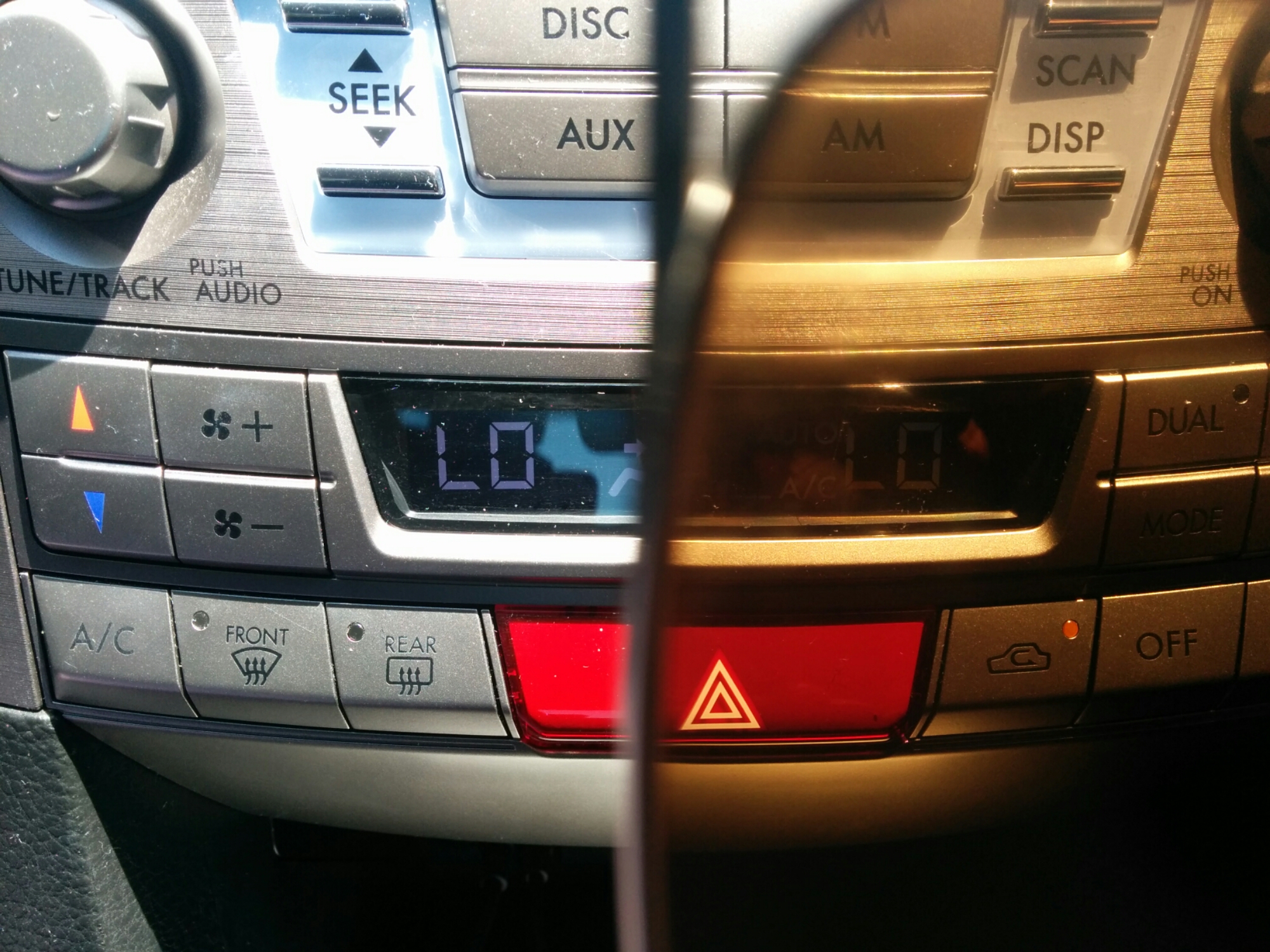
I can’t see the climate control display in my new Outback from any angle without taking off my sunnies.

And then there is the electronic handbrake. It’s retarded beyond belief.

Firstly, it’s a ‘push to engage’ number, unlike every handbrake that has ever existed. Secondly, it’s hidden out of the way such that you have to look for where it is in order to use it. Thirdly, under some conditions it will automatically disengage when you start moving off. But not always, and I can’t figure out why.

Hidden away, right next to the electric handbrake is the hill start button. This little number automatically applies the handbrake when you are stopped on a hill. But only sometimes, subject to the degree of incline which is not indicated! So you don’t know it’s not on until you start rolling backwards. Also you have to remember to turn it on every time you start the ignition – it defaults to off.

Then there is the big touch screen. Every single time I use it after starting the car, before being able to access the radio or the map, I have to “agree” that it’s dangerous to use it while the vehicle is moving. Which I can do even while the vehicle is moving.

The hazard lights are usefully placed right under the airco controls so that at least once a week they are accidentally engaged.

The driver’s seat memory function only works some of the the time. Subaru is famous for intermittent electrics. In my last one it was the cruise control.

I know that these are first world problems but my professional R&D manager’s training is severely offended by these obvious shortcomings.

It’s what happens when senior management is totally disconnected from the products. Especially in Japan where there is no direct translation for “calling it”.

image

image

image

mxx1's avatar

LinkedOut

About the only person that gets excited about an odometer of a car clicking over to 100,000 kilometers is a ten year old boy.

Just staring at the thing when it is at 99,999 and not willing to miss the big transition; it’s a very fleeting pleasure indeed, not usually shared by the owner of the rapidly depreciating car.

In the same vein I noticed the other day that I was on 999 Linkedin connections. When the 1000th connection request came in I noticed something very odd.

The “number of professionals in your network” had shrunk substantially – see the pictures below. And where was the expected “congratulations you have a thousand connections, etc etc” message?

That mob at Linkedin are asleep at the wheel.

2

linkedin27nov

mxx1's avatar

Vivax

Whilst riding my bike I day-dreamed up a new bike.

Lo and behold, all the bits exist.

Vivax Assist, a German company, has an electric motor that assists the crank of a bicycle and hides in the downtube. It doesn’t impede the free-wheeling capacity at all.

The battery can be disguised as a water bottle. It would be nice if they could re-format this so it too could be hidden in an over-sized carbon downtube.

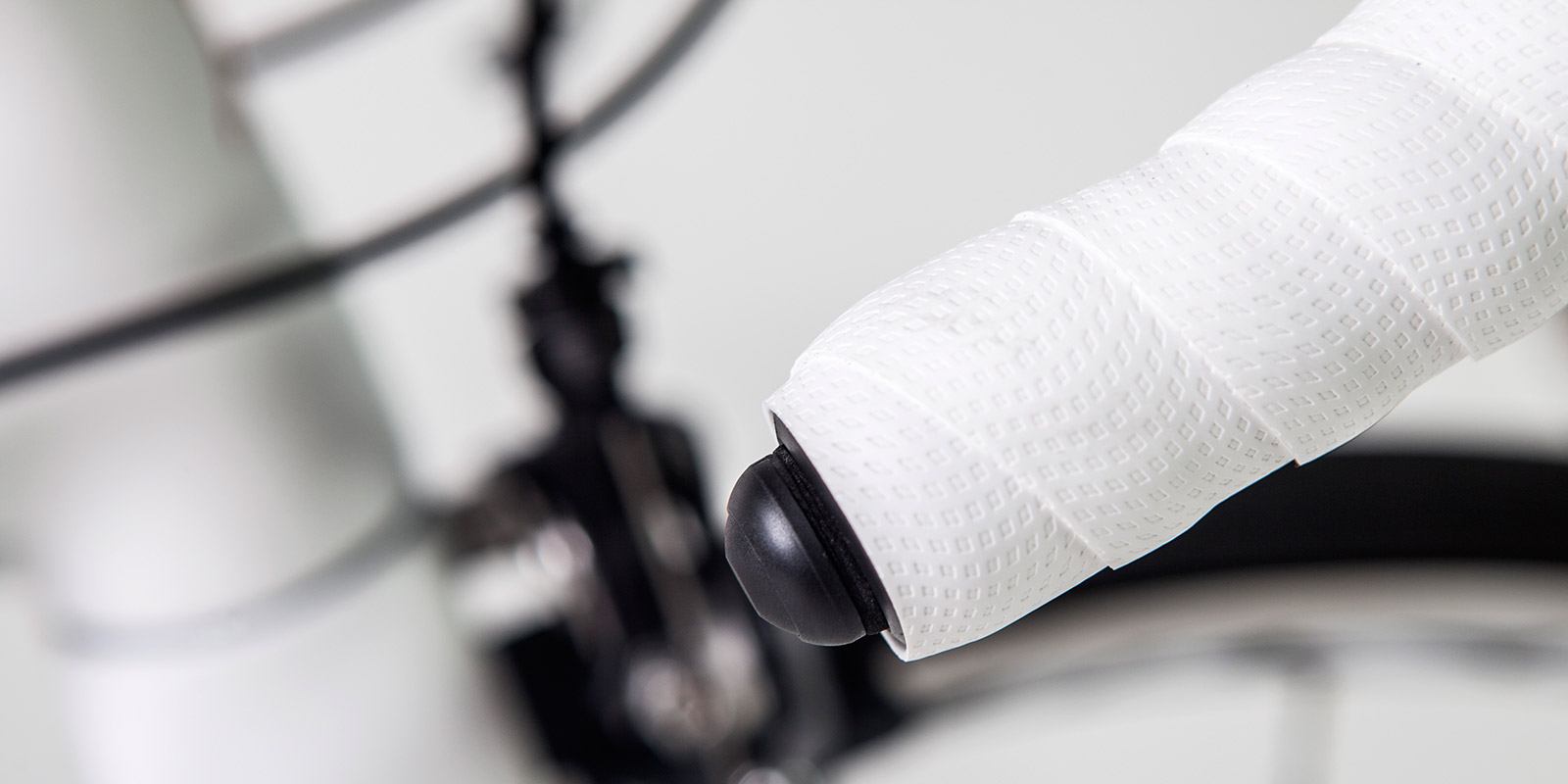
And there is this tiny little button to activate it that can be hidden in the bar-ends.

They will even provide the thing in a carbon frame, ready to go.

I don’t want it for a road bike with gears as they use it. I want it for a single speed bike.

Normally the gear ratio of a single speed bike is limited by the biggest hill you are likely to face. But that gearing isn’t optimised for fast cycling on the flats or downhill.

By having this electric assist for hills the gearing can go up on a single speed which makes them even more useful but without adding any extra maintenance issues, which would take away the benefit of a single speed.

The system only weighs 1.8kg and with a carbon frame and lightweight wheels and such the whole thing could still be less than 7kg’s.

An additional option would be an automatic mode where the system assists only once you hit a specific angle up a hill and fall under a certain speed, or a quick bit of assist from standing start to help get off the mark if you a very high gearing.

I have also asked them to ponder the idea of a rear-wheel system with a push button to automatically switch between free-wheel and fixie modes. This would be a great.

Taster-Lenker_E-Bike

vivax-Forza_E-Rennradrahmen

vivax-Invisible-Perfomance_Flasche-grau

mxx1's avatar

The true value of start-ups

Venture capital funds intermittently have to report the holding value of their portfolio to their limited partners (their investors).

Now a company may take 3-10 years after investment to be sold, listed or liquidated, and in the interim the stock is very illiquid.

So in order to value a whole venture portfolio the value of each start-up in the portfolio also has to be guessed at.

The usual approach is to take the value of the last round of funding as the last crystallised valuation point. It’s as good as it gets.

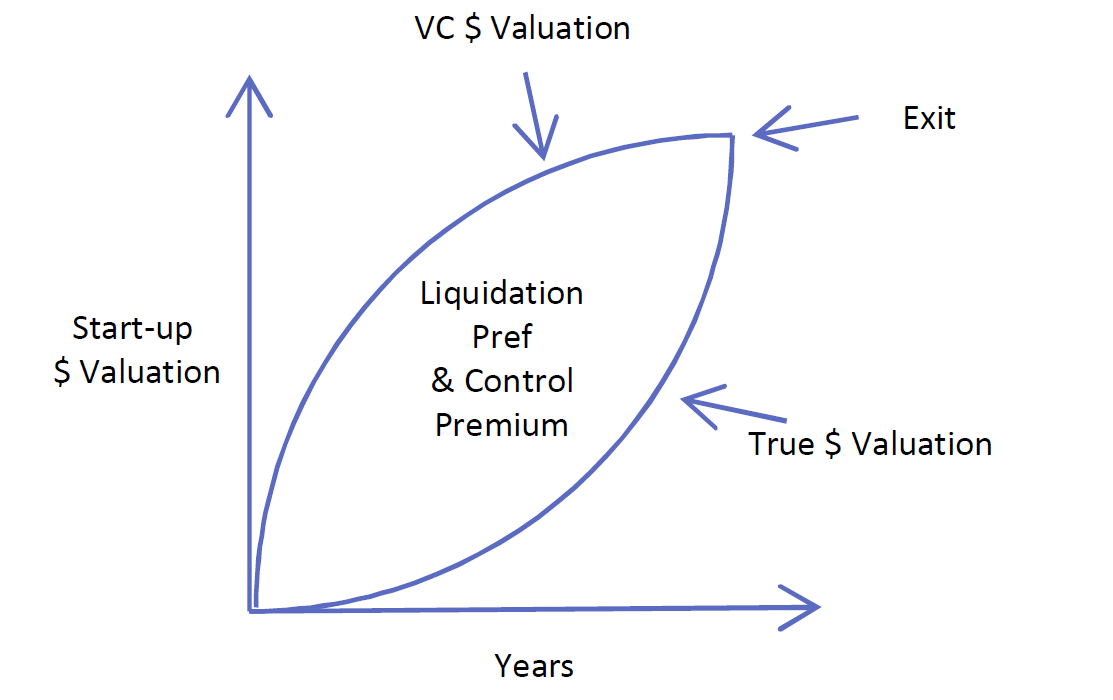
The issue of course is that VCs overpay for their stock and in return they get liquidation preference rights (the right to get their money out first and a double dip on their investment) as well as control/veto rights.

My personal view is that the true valuation of a start-up and that calculated by the last round post-money valuation is separated by a fair gap – as per the chart below.

A more accurate means to estimate the true value of the company at any moment is to subtract the total of all liquidation preferences from the last post-money valuation.

This approach is very simple for a VC to validate – I say to them; liquidate your portfolio today and I am sure your proceeds will be far closer to the common stock valuation (or less) than the full last round valuation, inclusive of a liquidation preference premium.

By taking into account the liquidation preference premium into your holding value you are inherently introducing a bias towards a successful outcome (the two lines meeting in the plot below) for all the companies in your portfolio. Which you know is not the case.

Untitled

mxx1's avatar

Goods

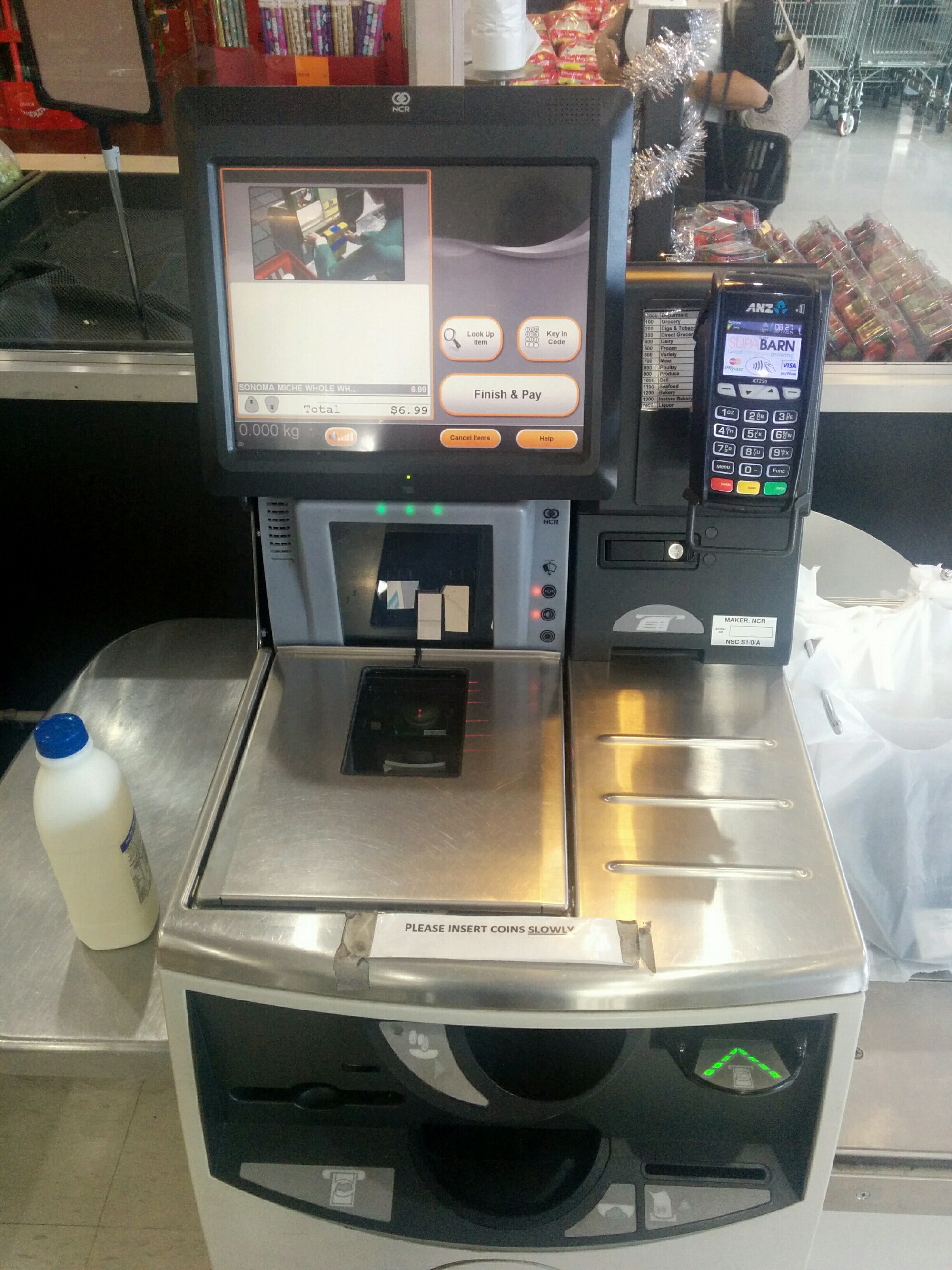
Below is the beast that I confront every time that I buy groceries.

The beast works but it could have been so much better with so little extra effort. All they need to do is to fix up their software. I won’t bore you with the details.

The day is coming when every item in the shop has a wireless RFID tag. Then you will just walk in, pick up what you want and walk out.

Your smartphone will have an app that collates your purchases and charges your account when you leave the store with your goods.

Is this a good thing? I don’t know, but it’s coming.

image

mxx1's avatar

Silk

I have been watching the UK legal drama Silk and it occurs to me that our adversarial court system, and this is not very surprising I guess, is strongly biased in favour of those that have financial means.

The quality of the solicitor and the barrister seem to make a large difference to the outcome, if the show is to be believed.

I wonder if the relationship between dollars spent and legal outcomes have been quantified? That is a statistical analysis of cases that correlates dollars spent in defence versus other factors. This study would attempt to understand the relationship between dollars spent and the likelihood of not guilty verdict, or the impact of dollars spent on the severity of the punishment.

I also query whether the benefits of more being spent asymptotes, or is it non-linear?

If there is a relationship then maybe those with greater means should be handicapped.

Considering that it would be hard to handicap the binary guilty/not guilty verdict what is needed is a scaling factor which increases with dollars spent on defence, and is then used to multiply any financial penalty or the term of any gaol sentence.

This would also work to limit how much people spent on defence because if they spent a lot and still got a guilty sentence then the severity of their penalty would go up accordingly. They would have to start weighing up the cost benefits of spending all that cash on silks and the natural outcome would be a contraction of the spread in legal defence costs.

Just kidding.

download

mxx1's avatar

Securitization

One of my former work colleagues was a great one for HR quotes.

One of his favourites, that I liked as well, was:

“You don’t increase your own sense of security by increasing the sense of insecurity in others”

The application of this mantra in the work place makes one a conciliator. I have noticed that there are some less ethical types that sometimes take advantage of conciliators – so it does pay to mix it up a little.

For people that don’t like being ‘constrained’ in their lives, i.e. people that react badly to be being caged or controlled and could be labelled as “emotionally claustrophobic”, this could be re-drafted as:

“You don’t increase your own sense of security by increasing the sense of security in others”

Now there’s the paradox for the ages.

However I have it on good authority that, although trying to control such a person isn’t going to work, not trying to control could be just as bad as it might portray a lack of interest or caring.

The solution is shared and authentic involvement. As it always should be and hardly ever is.

2012-12-29%252018.35.26

mxx1's avatar

Series BS

From Crunchbase today – “YPlan provides a platform for users to discover things to do and buy tickets via its mobile app. Founded in London in 2012, YPlan is now available in Edinburgh, San Francisco, New York and Las Vegas, YPlan will use the new cash to pivot into a self-service platform that allows all event organizers to add and manage their own listings.”

When will people learn that we don’t need new apps and services in already crowded markets? There are only so many waking hours in which to fill up people’s minds. Putting it another way, we can only mentally manage a couple of brands in every one of the thousands of B2C internet app sub-segments. Even then, most people struggle.

Because of this I suspect that aggregation in super-categories will eventually occur. For example, one of the travel players will suck up Trip Advisor, Air BnB, Pin Drop, Flight Track, WeatherPro, XE Currency, Perfect World Clock, Foodspotting, Better Translator, and even YPlan into one super travel app service. The trick will be making it simple to use.

Every university in Australia has some sort of incubator. And there are now tens of corporate and commercial incubators in each city. All of these are filled with startups with 2 or 3 kids doing some sort of Yplan. Underfunded, and with a unshakeable belief in their ability to go viral based on their special social media skills, all of these guys really believe that they are going to replace the incumbents in their chosen sub-segment; or get bought by the incumbents due to the sheer beauty and genius of their tweak on the standard app.

YPlan’s Series B funding press release made me laugh because they used the Silicon Valley bullshit term “pivot”.

What this means is that the original business idea was a failure – they couldn’t make it work. Or they might argue they weren’t sufficiently funded to make it work, but this ignores the fact that, if so, this is because the risks factors of funding it were too high – wrong business model. So they changed it to get Series B funding and some VC’s bought it.

Fail fast, they say. Pivot, if needed. It’s the team not the business model that makes a great start-up. A great team will fail fast and then find another opportunity if the first one doesn’t work out.

And the use of the term “pivot” is designed to give this process a sense of authenticity, professionalism and even hints that the the pivot was planned to some degree.

If you have ever seen a B2C internet play that enters into the fray late in the day then you know three things; one, they are odds-on to fail, and, two, when they do they will pivot, and three, when they pivot they will proposes a B2B play in the supply chain they are already working in.

I wonder if anyone has done a study on the ROI on start-ups that pivot? My guess is that for internet plays that do a pivot that the non-participating prior investors get a negative return and that the post-pivot investors probably have a lower return on their post-pivot investment than investors into non-pivot deals, at equivalent rounds and equivalent tier VC’s.

That’s just a guess.

Why do pivots get funded? Well for existing investors that double up, it’s just very hard to write off sunk capital. Even the most battle hardened VC has an unreasonable bias towards hope when there is a semi-reasonable story on the table. And new investors in the deal, well they might buy the story that they are getting an extra cheap deal because all that sunk capital has bought the team expensive insights and networks into the industry. We call that a free set of steak knives! Who buys that story?

Oddly VCs don’t often commission quantitative research into their own industry. Research that could use readily available data and that would make all their decision-making more reliable. What they actually do is follow the pack and hope the pack is right. Which it sort of is, on average, because there is an ‘evolutionary’ process going on ensuring that failure modes of investing do not get funded; but this feedback loop can take time to process and in the meantime a lot of VCs can lose a lot of money.

Untitled

mxx1's avatar

MVMT

I like watches, always have.

Which is a segue into my noticing an unusual (to me) watch on the guy ordering drinks next to me at the bar of the pub, at 530 pm yesterday evening.

We chatted for a while, as watch enthusiasts do, and I discovered that the watch is branded as MVMT and was bought online from their website.

[Technically – these are mechanical watches using a low-end, but more than adequate Japanese movements (often shorted to mvmt, hence the in-joke brand name I guess); people that worry about fractions of seconds lost per year need to realise that one change of time zone in a plane will lose you easily 30 seconds of accuracy. MVMT exists because the technology to put together a simple mechanical watch is extraordinarily cheap, so they trade on design and the use of a low-cost online sales channel]

Sitting down with my beer I used my Android phone to google ‘MVMT’ and then perused their website on the Google Chrome Browser.

Then, fearing goldfish futures, I ‘shared’ the page by email to my own Gmail account.

Two hours later whilst trawling through the banalities of my friends’ Facebook postings I noticed an ad for the very obscure and never previoulsy heard-of MVMT watches!

So who is the culprit?

Either Google and Facebook are colluding, or the Facebook app is watching my browsing efforts, or both.

image

mxx1's avatar

Great ape

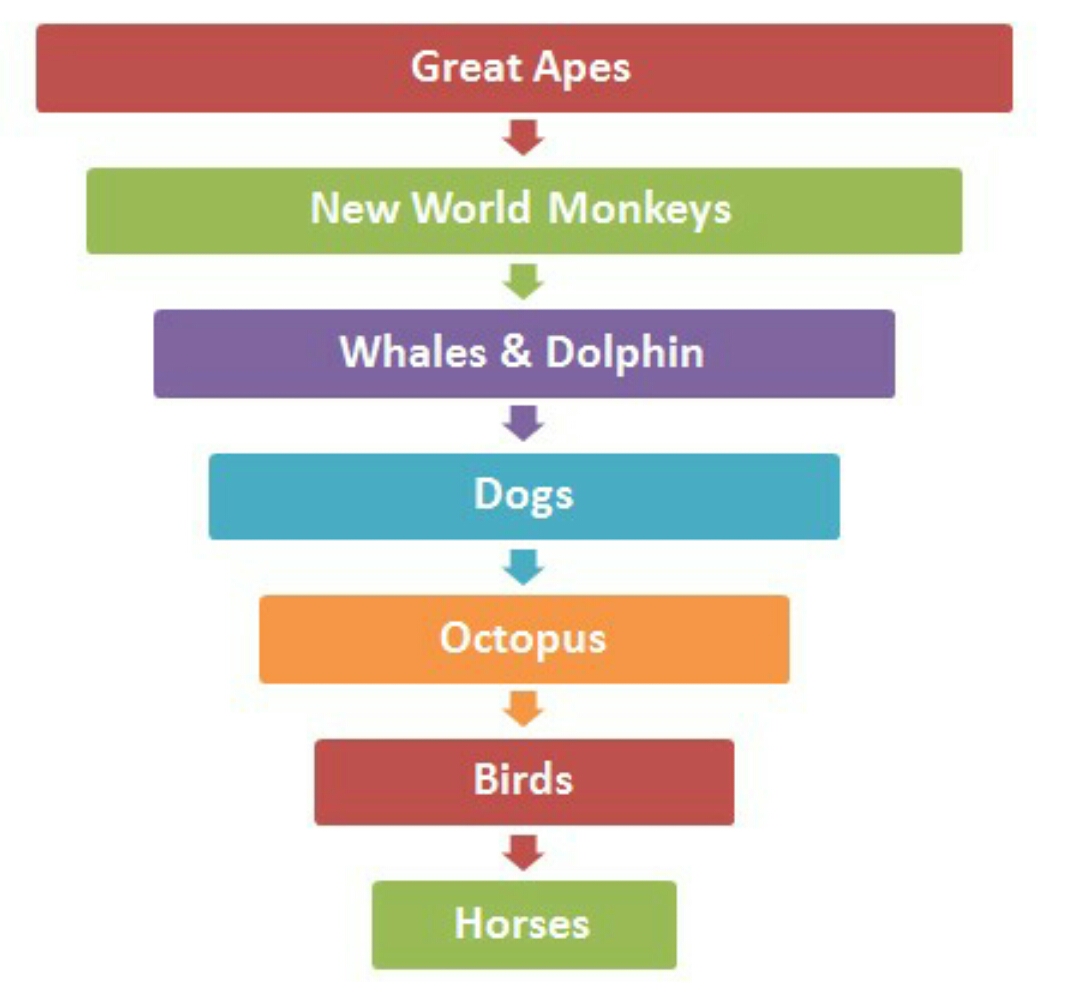
I found this graphical tree representation of the hierarchy of the intelligence of animals.

I wonder where the smartest machine or robot is on this tree?

There’s no doubt in my mind that we already have forms of artificial intelligence with greater intelligence than my daughter’s silkies. It wouldn’t be hard.

These things have been breed for looks or their blue-black meat and bones, depending on who you believe. But in the process their brains were bred out, and they picked up a few extra in-bred claws.

So the great apes at the top of the tree can push the other animals around the tree (e.g. silkies are now definitely below horses, even thoroughbreds) and introduce whole new forms of artificial intelligence (that are slowing climb up the tree).

image

image

mxx1's avatar

News and information

Every week I get numerous emails from my daughter’s primary school.

There is a weekly newsletter, a classifieds for parents selling stuff (in this day and age, really!), a parents and citizens (what are they?) committee update, a class liaison mother’s update and then a bunch of spurious communications such as upcoming concerts, trivia, fund raising and sports events, details on uniform purchasing, info on open days and public assemblies, missives from the principal, and other stuff that is inexplicably considered too important to put in the newsletter.

Nothing from the teacher of course! The missing link that is most important.

My overall impression is that it is an uncoordinated mish-mash of stuff produced by rank amateurs that have only ever considered half of their target market, i.e. mothers and not fathers.

I vote for the department of education to hire some proper marketing consultants to overhaul all of this rubbish and come up with a standard format on the web for all schools to use (and maybe an app), and that also appeals equally to mothers and fathers.

There is a dodge app already but they only put the weekly newsletter in it and it is so last century, the app. But it’s the content and layout that is the real problem.

In the meantime, my plea to the mothers clubs and their mates on the school staff, please leave my inbox alone.

Untitled

mxx1's avatar

Try harder

How hard would it be to write some learning algorithms to detect scammers on Linkedin?

Not hard. Their behaviour is quite different to the norm and there is a lot of data to work with.

And then you would just ask the suspects to go through a tougher than normal profile identification program.

There seems to be two types of scams in Linkedin:

1. Totally false people looking to extract something (money) off people. An example was a nice looking young woman that connected with me some time back, with some totally falsified story. Her follow up message had genuine scam written all over it – here is a quote:

“Based on this statistics, Kwesi Bunso family resident has decided to request for genuine foreign partnership with very truthful and honest buyers or investors who will come down to buy their product (Gold Dust or Cooper Ore) and in return, pay for the produce part in cash and the balance”. Really!

I just checked and her profile is still up and running, as thin as it is. She claims education at the business school at Oxford Uni. Her prior work experience is one job as a beauty technician and now she is a director of a gold mine. Heh – I could write an algo to catch this one.

2. The there are real people using Linkedin as a channel for unwanted sales. I had an example the other day where a real estate sales person from Queensland sent me a connection request. I glanced at it and it seemed legit and she (they are often ‘she’s’) had some links in common (more fools). Anyway after we connected I was duly sent a sales pitch:

“Thanks For the Linkedin connection. Glad to connect. Wish to make a positive cash flow property investment in Queensland?”

At least it was upfront. Linkedin should find these guys are force them to go through their own sales and marketing channels in Linkedin so that (a) we can easily identify and ignore them, and (b) Linkedin could get some income off these guys.

image

mxx1's avatar

FYI

Anxiety and insecurity can be difficult to live with and they can hard to distinguish from each other. However only one of them is attenuated by Valium.

So this makes we think that we need (a) a Valium-equivalent pill for insecurity, and (b) a non-toxic and non-addictive Valium-equivalent pill for those that suffer from permanent anxiety as part of their personality make-up.

DSC_0002

mxx1's avatar

Watch

A new watch design.

This one is an analog-digital effort, noting that it could be full digital also.

The middle number (a digital display) shows the hour.

And the outer hand shows the minutes – this can be a mechanical hand, or part of the digital display. If mechanical it can be like some car speedo dials with an outside connection.

There is no need for a second hand since the digital display shows that it is powered and we have smart watches for the unlikely scenario when we want to time something to the second.

I haven’t shown the crown but it would be needed to adjust the time and a press would give a light for night viewing – it would light up the LCD hour number and the minute hand and minute markers.

The display could be e-ink also.

The time is 9.09 below.

Untitled

mxx1's avatar

Reversion to hell

The sign below is courtesy of one of the local churches.

I believe it’s a sentiment shared by just about all religious denominations.

Only one of them can be right, or none.

The odds against this one being right is less than or equal to one over the number of competing denominations of all the religions on the planet.

Which means that church goers are keen gamblers. It’s tough to hedge this bet too.

And it also implies that only a very small fraction of people get to heaven.

Or they’re all just plain wrong and dumb.

PS this is Pascal’s wager for the gen Y’s

image

mxx1's avatar

Counterthinking

To counter counterfeiting why not make every banknote unique?

These days we have networks, computers, image processing and databases after all.

Then if two notes turn up anywhere in the country that have the same image then it’s red alert.

Or if a note turns up that isn’t in the database, same deal.

Of course they could do all this with the existing numbers on the notes. Maybe they do. Maybe not.

image

mxx1's avatar

Personal Wrist Assistant

From a review of the Moto 360 smart watch …

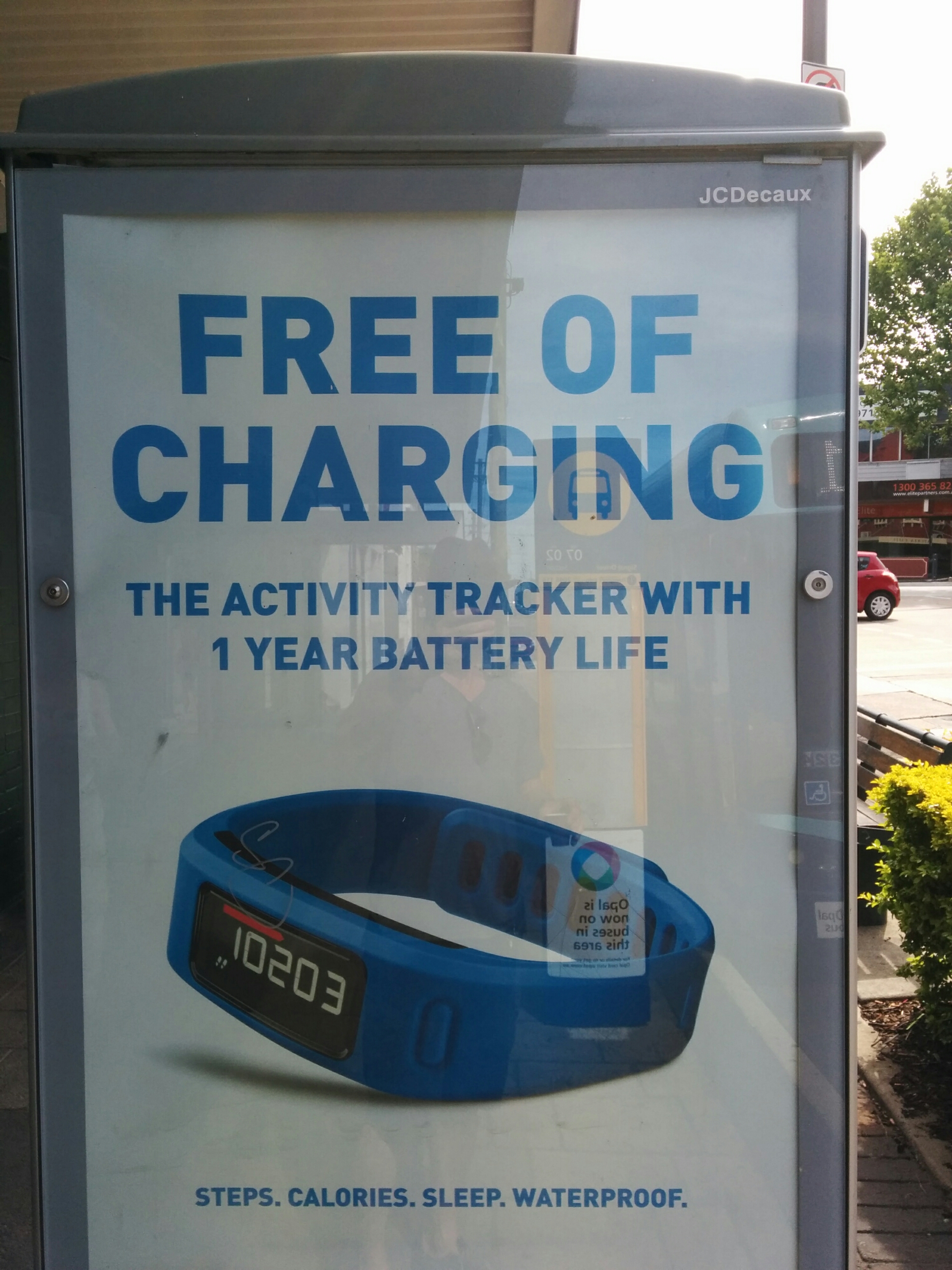
“normally you get more than 24 hours from a charge, but with ambient mode enabled it’s closer to 18 hours.”

I have to take my watch off and charge it every night? A non-starter for any consumer that currently wears a watch.

The only people to sell this to is young ones that don’t already wear watches and don’t have any specific expectations

And maybe the word ‘watch’ needs to be dropped for marketing purposes.

PWA

image

mxx1's avatar

Nyada

The Business Council of Australia (BCA) is recommending that government focus on four key functions to secure the economic future of the nation – and here I QUOTE:

“1. The first is direction-setting. It is a role of government to set a vision for the country. This is
fundamental if we are to take the community on the difficult journey of change.

2. Secondly, government needs to develop a sector lens on the economy.

3. Third, government should use what it learns from a sector analysis to move from an intervention and subsidisation role, to a facilitation and coordination role.

4. The fourth responsibility of government is to build the innovation infrastructure needed to support the agility of the Australian economy.”

The BCA is big business in Australia, including the local arms of foreign corporations. Think of it as a jobs club for the privately schooled.

Interpreting their recommendations to government isn’t too hard:

1. Government needs to do something, anything; preferably lower corporate tax rates, reduce the minimum wage, get rid of unions, and stop new any new competition from entering our markets by surreptitious means (actually any means will do), and in a way that doesn’t piss off the voters and let Labor back into power.

2. Government needs to focus on The BCA member’s needs. Bugger the voters that they are supposed to represent under the constitution.

3. The BCA members want even more handouts from government, preferably diverted from government funds currently granted to non-business recipients so that the deficit isn’t impacted too much.

4. All of this should be hidden behind a facade of being ‘innovative’ as a nation, at least while this buzzword still has some currency.

I have chatted to some of the spokespeople that talk up this stuff.

I believe that they actually believe that they are promoting policies which are good for the country.

The rationale that they use is that ‘if business is flourishing then so is the nation’.

But not if it’s an oligarchical business environment, it’s not.

They seem totally unaware that there is not a single concrete proposal in their demands. They are floating a ‘vibe’ only. And in heavy code. Their hope is that the government gets their drift and implements the changes they want to see in the handouts accordingly.

I don’t think this will go well for our supposedly innovative but yet ‘complacent’ nation.

007

mxx1's avatar

What is a start-up?

Just to answer the random question that came in (once and for all) …

A start-up is no longer a start-up when one of the following is true

1. It has been sold to a larger corporation or listed on a stock exchange, or

2. It is cash-flow positive and has no intention of raising funds at all or, if so, only off a bank, a PE firm, a hedge fund, or the public markets (i.e. any thing other than a VC or an Angel investor), or

3. It goes out of business, or

4. It converts to a ‘zombie’ company that just stays alive and has no chance of ever raising investor funds again

And a startup that never risks losing all of its equity investors’ capital, in order to supercharge growth, never was a startup; rather it was a small business

DSCF3788

mxx1's avatar

Red bull flag

Noting than stimulating the metabolism is the best way to lose weight then here is a new idea for (snigger) diet chocolate:

Chocolate with guarana and lots of caffeine.

Let’s call it Blue Cow chocolate.

chocolate.drm_

mxx1's avatar

Journal of Citable Internet Content

New product idea …

I wrote an article recently which was a well thought through and a referenced effort. And yet it was only published on my own website repository (on Issu in this case), with a shorter version in an online newspaper (the Conversation) that pointed to the original article, as well as a radio interview with ABC Radio National.

Now this got me thinking – there is no formal reference to this article so it would be hard for others to cite. Sure you can use a web address but there is no guarantee that in a couple of year’s time that the web-link will still be valid or the content the same.

So what we need is a virtual online journal where people can drop their articles and get an actual formal reference that is good for all time, and also a permanent web repository for the article in addition to wherever else it is stored.

By this approach other people can actually cite these articles within (or without) the academic system if they choose to.

The problem that is being solved here is that not everyone really wants to go through the tedious process of getting an article peer reviewed in order to get a journal reference. Especially if it is a field where one doesn’t normally practice nor does one have an academic profile. But if you don’t publish it to a proper journal then it’s difficult to usefully have these articles cited; a web address or WordPress address just doesn’t cut it.

Further, content published this way could remain the copyright of the author or even convert to commons. Both are better than handing over rights to a for-profit academic journal that doesn’t even pay you for the privilege.

Going one step further, if I was writing a paper and I wanted to cite something that I found on the web, then I would like to be able to drop it into this system. For example, if I wanted to cite a Wiki, knowing that Wiki morphs over time wouldn’t it be nice to be able to automatically drop today’s version of Wiki into a service that keeps a copy of today’s version of the website forever, together with a readily usable citation reference.

One might wonder about copyright issues. Of course the whole thing would have to be commons, and maybe the physical service could be set up on a floating boat or in New Guinea just to make sure no one complains.

I imagine this service being a hosted site where you simply paste in the link to the article of interest and it’s automatically sucked up into a cloud server, bundled into some un-morphable pdf-like format for people to download, and given a journal reference. Let’s call it the Journal of Citable Internet Content.

Time for Google to step up.

DSC_0035

mxx1's avatar

Macrosoft

Microsoft is a misnomer. They should have called themselves Macrosoft.

The latest windows update has been jamming up my laptop for 2 hours now … they got it’s name sort of right.

I prefer ‘Windows Malicious Software Addition Tool x64’

Untitled

mxx1's avatar

Inventive insights

From a ‘product innovator master practitioner’ that I met today:

“Innovation without insight is invention”

What she meant was that invention is the creation of something out of nothing, and that the ‘nothing’ includes an absence of customer insights.

It’s a pretty sad statement but probably a true reflection that in Australia the concept of solving heavily-researched customer problems with genuinely new invention is totally foreign. To such an extent that the word ‘invention’ is not even understood in business.

IMG_0761

mxx1's avatar

The cost of cars

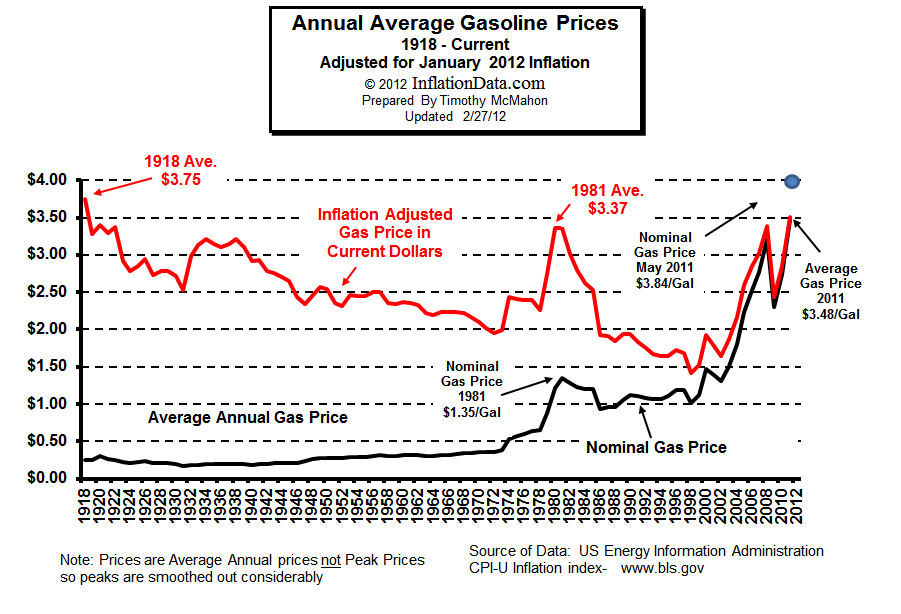
Three interesting graphs from the US.

In inflation adjusted dollar terms, petrol prices have remained between $1.50-4 per gallon for the last century. Until 2000 the long term price trend was downwards probably representing enhanced productivity for exploration, extraction and transport. Since 2000 the price has been trending upwards reflecting the diminution of supplies compared to demand.

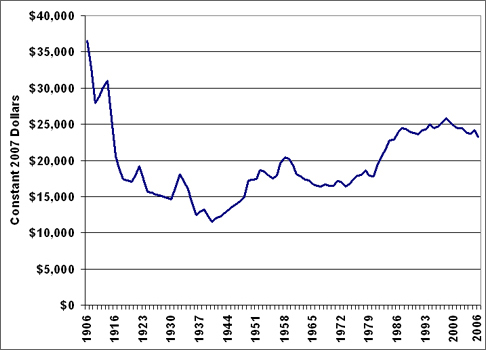
In inflation adjusted terms, new car prices started high at $35k in 1906 but pretty quickly dropped, and since 1916 they have been trading in a range between $10k and $25k. The slow increase in new car prices over this period represents the fact that people have been getting a lot more for their money as technology has improved over the years. This slow increase in average price has been enabled by increasing purchasing power.

I would note that Tata (with their Nano) has shown that if we built a T-model Ford today, in volume, we could probably sell it for $2k at a profit.

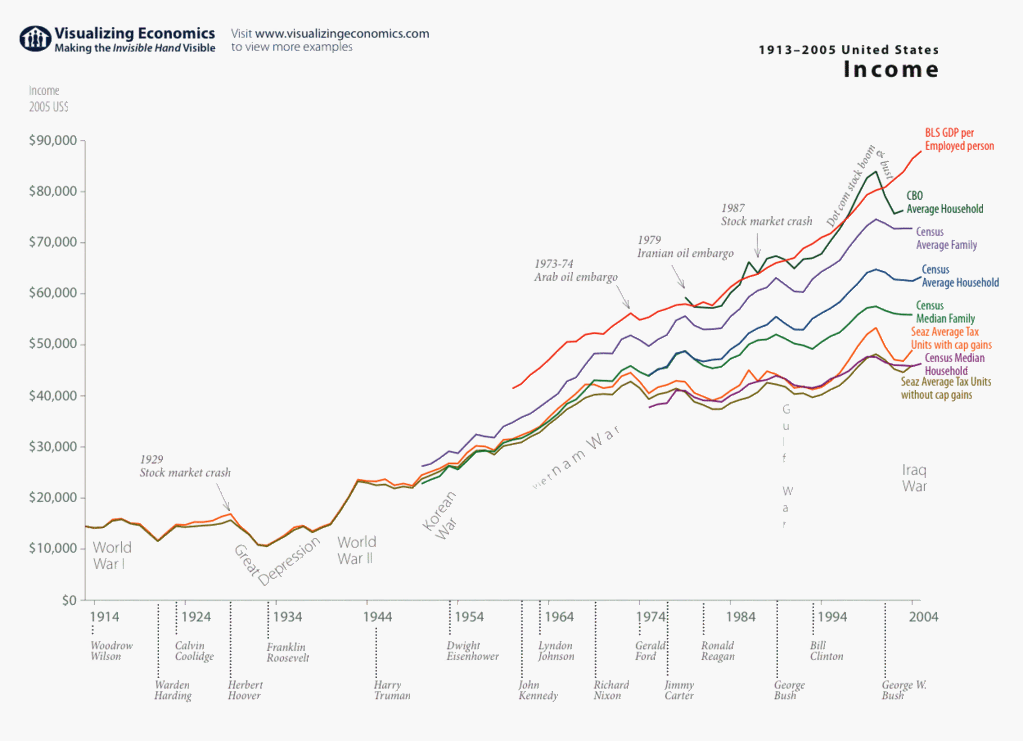
In real terms neither the price of cars nor petrol has significantly changed for over a century. What has changed is median income which, in inflation adjusted dollars, has gone from $10-15k at the start of the 1900’s, steadily increasing in a linear fashion to around $70k in 2004 (in the West).

So in terms of affordability the costs of purchasing and running a car have shrunk by a factor of about 7 over the last century. No wonder there is so many of them out there.

Inflation_adjusted_gasoline_price

fotw541

1914-2005USincome

mxx1's avatar

Patents again

Patents again – notes to self:

The drive to patent hardly makes sense outside of the USA. So what drives companies in say Europe to file for patents in Europe?

My guesses…

1. The fear of making a mistake by not patenting. That is a fear driven by a lack of understanding.

2. Also, most companies have always patented so it’s a habit derived from older days when patenting made financial sense (from market benefits to their market share of profit margin), before the prior art documents became heavier than the planet.

3. The economics of patents are so complex that no one has ever done a proper economic assessment to show that patenting outside of the USA in the modern era really isn’t worth it.

4. Patents are an insurance policy in case anyone ever sue a company for patent infringement. A lottery ticket for an insurance against being sued.

5. It is oligarchical behaviour – the big guys patent all their inventions and then cross-licence them. The net costs of cross-licensing to their business is zero minus the nuisance cost of patenting. The patents are just a ‘coupon’ which gives them something tangible to discuss in their licensing contracts. The little guys don’t get to play and are to a large degree kept out of the market by the fear of litigation.

DSC_0192

mxx1's avatar

Cashout

I have an idea for the gub’ment.

Firstly, I note that we badly need cash notes greater than $100 due to inflationary pressures, and yet they seem to resist doing this.

Why? Well large banknotes just open up greater risks of higher value transactions in the black market (tax free) & criminal economies.

My solution – why not introduce a hybrid between cash and electronic money?

That is, a banknote which is backed up by an electronic identification system. The difference between this new idea and cash is that a new owner of the note would need to notify the relevant government agency of their new ownership for it be valid currency. And this could be checked on-line by any prospective recipient of the note, similarly to how a car buyer can check a car for encumbrances on line.

That is, the note needs to be validated by identification to be usable in a transaction.

Why is this a good idea you might ask?

Well, for one it puts high value notes into circulation and we need them.

Two, it fills this void before some other non-government (untaxed) currency like Bitcoin does the job.

Competition is the mother of invention I say.

DSC_0159

mxx1's avatar

PAEs

Notes to self.

1. Patent Trolls

If patent trolls are supposedly detrimental to innovation why then is the US, the only jurisdiction where patent trolls are seriously active, the most innovative business environment in the world?

People who argue that patent trolls are bad for innovation tend to focus on individual cases, or anecdotal evidence. Shame on them for missing the bleeding obvious.

2. In the UK by far the most likely outcomes of any court proceeding related to a patent dispute is revocation of the patent. How messed up is that? Why have a patent office at all?

I would like to point out to them that (a) the purpose of a patent system is to encourage innovation, and (b) investment in innovation requires certainty of patent rights, which (c) they are undermining in their own courts.

They should stop worrying about Patent Trolls and start a dialogue between their patent office and their judges.

DSC_0114

mxx1's avatar

Landau

The car of my dreams when I was 11 years old was a Ford Landau.

I just stumbled upon one at Bar Italia. Pictured below; it’s the first time in years I have seen one.

Wiki tells me that only 1,385 were made; what were they thinking? Where the business case?

Inexplicably named after an old style of luxurious horse drawn carriages first produced in Landau, Germany in the 1700’s, this thing was a beast.

It was considered an upmarket vehicle in the day. Only two items were offered as optional equipment: a cassette deck and full leather interior trim. Other that that it had all the fruit that the 1970’s could offer.

You can buy them in mint condition for around $40k. I just checked.

No. Stop it.

image

mxx1's avatar

Holey bum

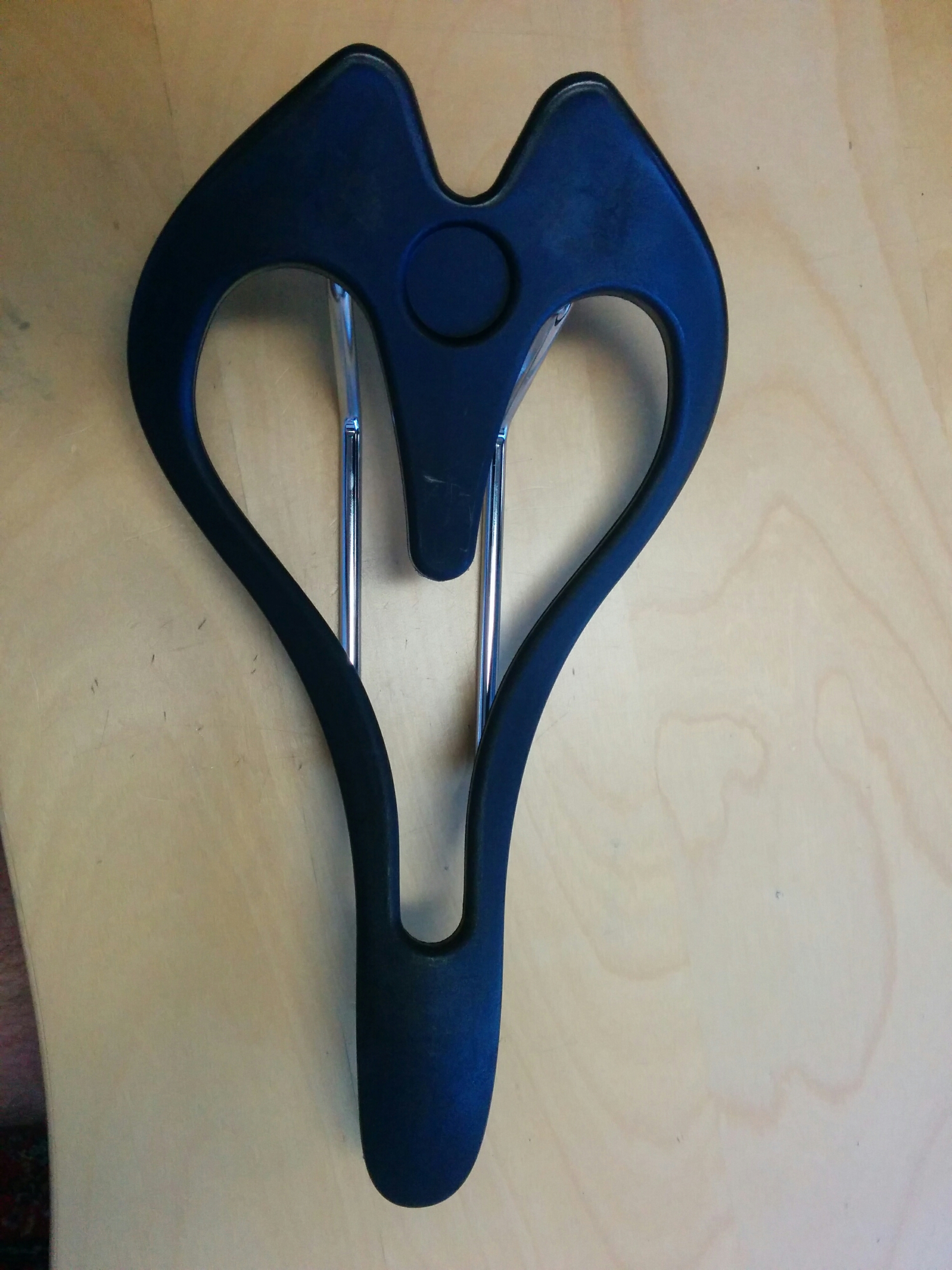
After almost two years and 85 investor updates, I finally got my bike seat.

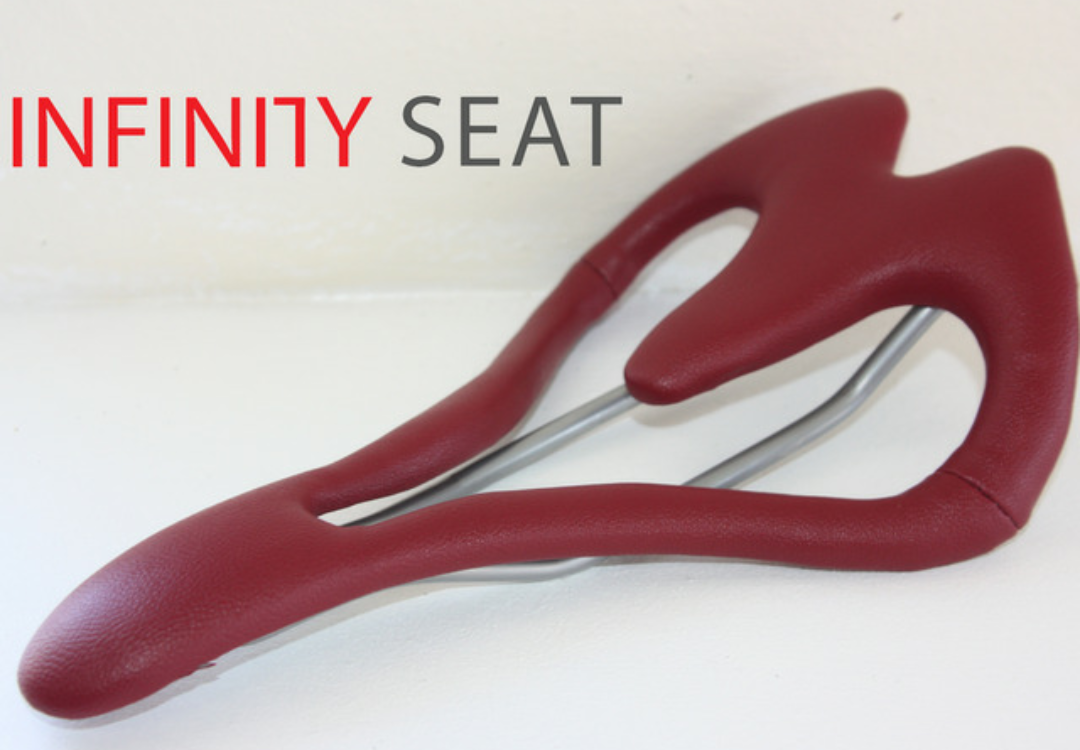
The black molded nylon number I received is nothing like the nice marketing renderings of the red upholstered version.

My guess is that I paid 5-10 x its eBay value. And if I gave this to some Chinese boys that I know, they could have them coming off the production line by tomorrow.

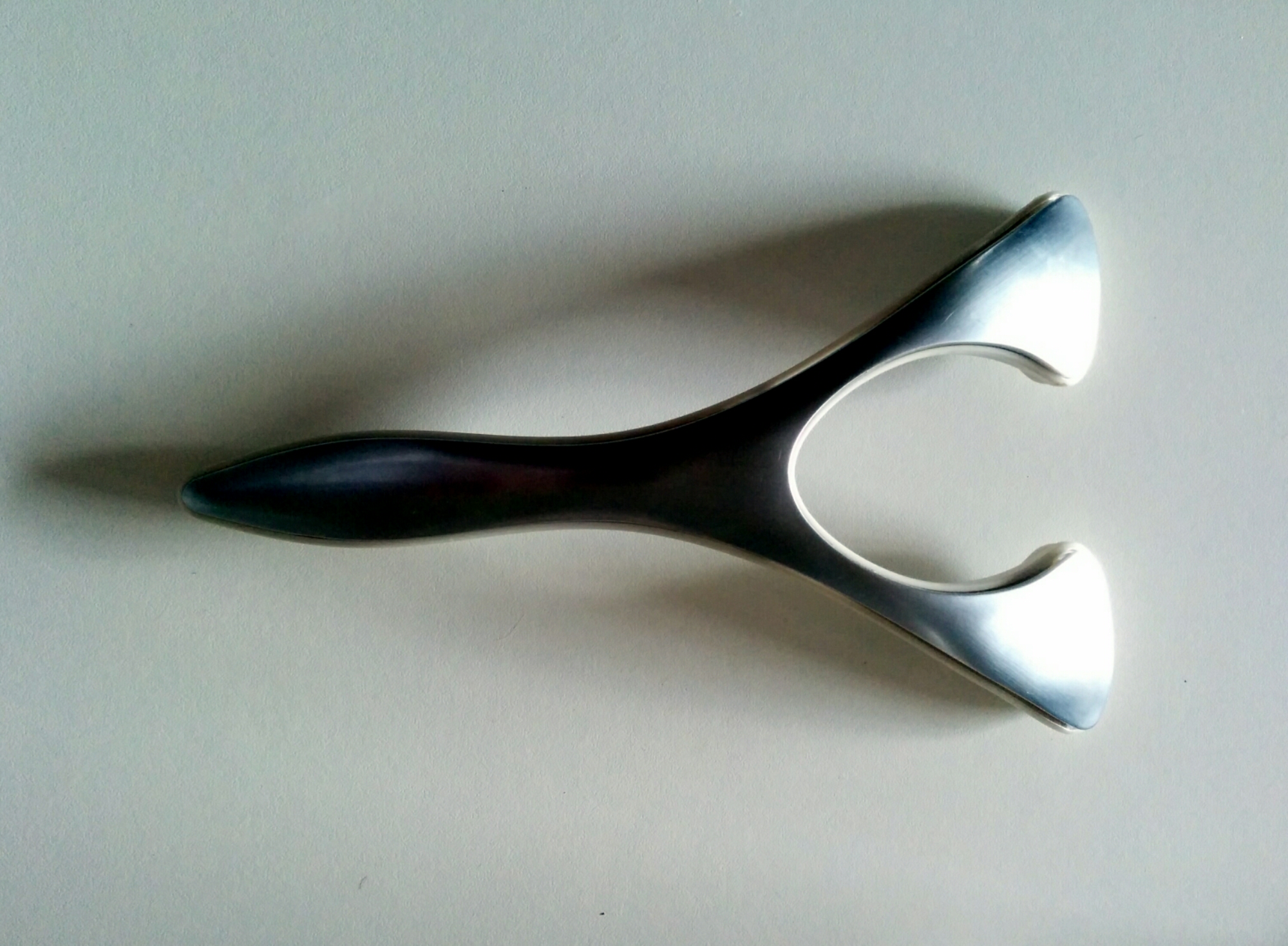
However you gotta like the little arsehole indent. My design is better though (last picture below) – there’s no need for a hole.

Kickstarter 1 Max 0

image

image

image

mxx1's avatar

G-20 laughs

One can’t help but notice the odd headline or two from the G-20, which is getting more than it’s normal fair share of press coverage, it being in Australia and all.

This one made me laugh – ‘The G-20 announces policies that will add an additional 2.1 percent to global GDP from current trajectories by 2018’.

This is the same crew that obviously planned the global economic crisis of 2008. Knock yourself out boys!

DSC_0992

mxx1's avatar

Borgen too

After watching three series of Borgen (the Danish political drama) I am starting to re-think our need to modify our political system. If this show is anywhere near reality (which I am guessing it is since most political drama has to survive the local sniff test) then the Danish multi-party system (MPS) system looks like a disaster to me.

Some commentary …

1. The need for constantly shifting coalitions means that politics rules over policy at all times. There apparently is never a calm moment for a government to implement an agenda.

2. As a voter you never know what you are voting for since the governing coalition is bound to be a mish-mash of policies, some of which you hate. Countering, this is a problem in our system too – at the last election, when it came down to marking the box, I found that I couldn’t in good conscience vote for any of the parties.

3. Most worryingly, the politicians in Denmark seems to dream up policy on the run whereas here the ideas go into the departments for anti-wrinkling and budgeting only to re-emerge as totally different beasts. This could be due to the small size of Denmark and possibly a smaller public service.

4. The influence of personal morals on policy. There was an episode on the laws related to prostitution and it looked as though a large fraction of the parliamentarians were quite happy to ignore facts in favour of their dearly held prejudices. This is the one aspect of our system which is quite amazing – the system’s inherent resistance to moralistic bullshit.

5. The need for every major new policy to be negotiated between multiple parties means that, as implemented, most new policies are compromised. This is fine when it’s business as usual but could be major impediment if there was ever a need for immediate and drastic action in light of a major change in the environment. Especially if that major change was not immediately apparent (like global warming for example).

6. Their queen is up the road and ours isn’t even a citizen and could resign at any minute without any succession plan. This is something we should fix.

7. They don’t have states so the national parliament is it. God help the Danes on this one. I would hate to be fully exposed to the stupidity of our national government. The fundamental issue, here, there and everywhere, is that no sane person wants a job in politics. Long hours, high stress, zero privacy, low pay, and an environment like academia that rewards the arseholes – it’s not much to aspire to and no wonder we have dickheads for political representatives. In this context, the more layers of government that we can have, the better. Sure it costs us, but the payoff is that the fuckwits all end up neutralising each other and for us this is like a useful insurance policy.

78219

mxx1's avatar

Smartish Watch

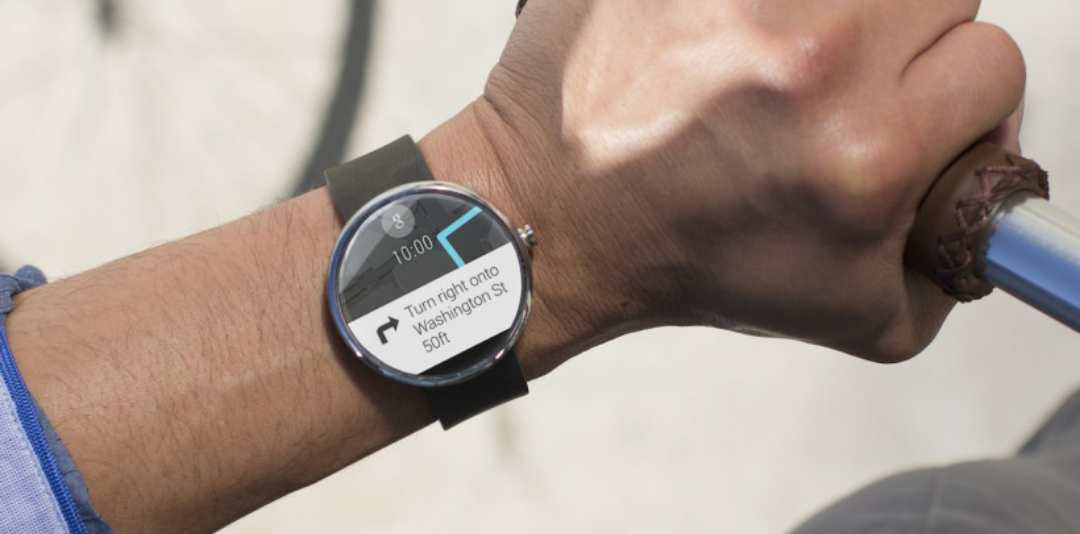
The smartwatch movement doesn’t work for me, as it is today.

The displays are too small to be useful (especially with my aging eyesight) and their presence chews through the battery meaning regular charging.

I can cope with daily charging of my smartphone and not much else. I even stopped using the Bluetooth headset because of its charging needs.

In my opinion the smartwatch should ditch the OLED or LCD screen or any other pixel-addressable display.

My ideal watch would just display the quartz-movement generated analog time – hours and minutes hands only.

Since second hands are the best way of telling you that the thing hasn’t run out of battery it needs to be there too. But the second hand would be a continuous movement only approximately associated with seconds and not connected to the quartz movement. The continuous movement makes it look expensive.

In addition all the smart watch functions (which are very optional if you ask me) such as biosensors can be built in to the thing so long as they are super low power (at least a year’s battery life is required) and this data can then be communicated to the smartphone for processing.

I can’t see the need for a return comms channel. I argue against alerts in the smartwatch – they require power, add bulk and duplicate smartphone functionality that works just fine.

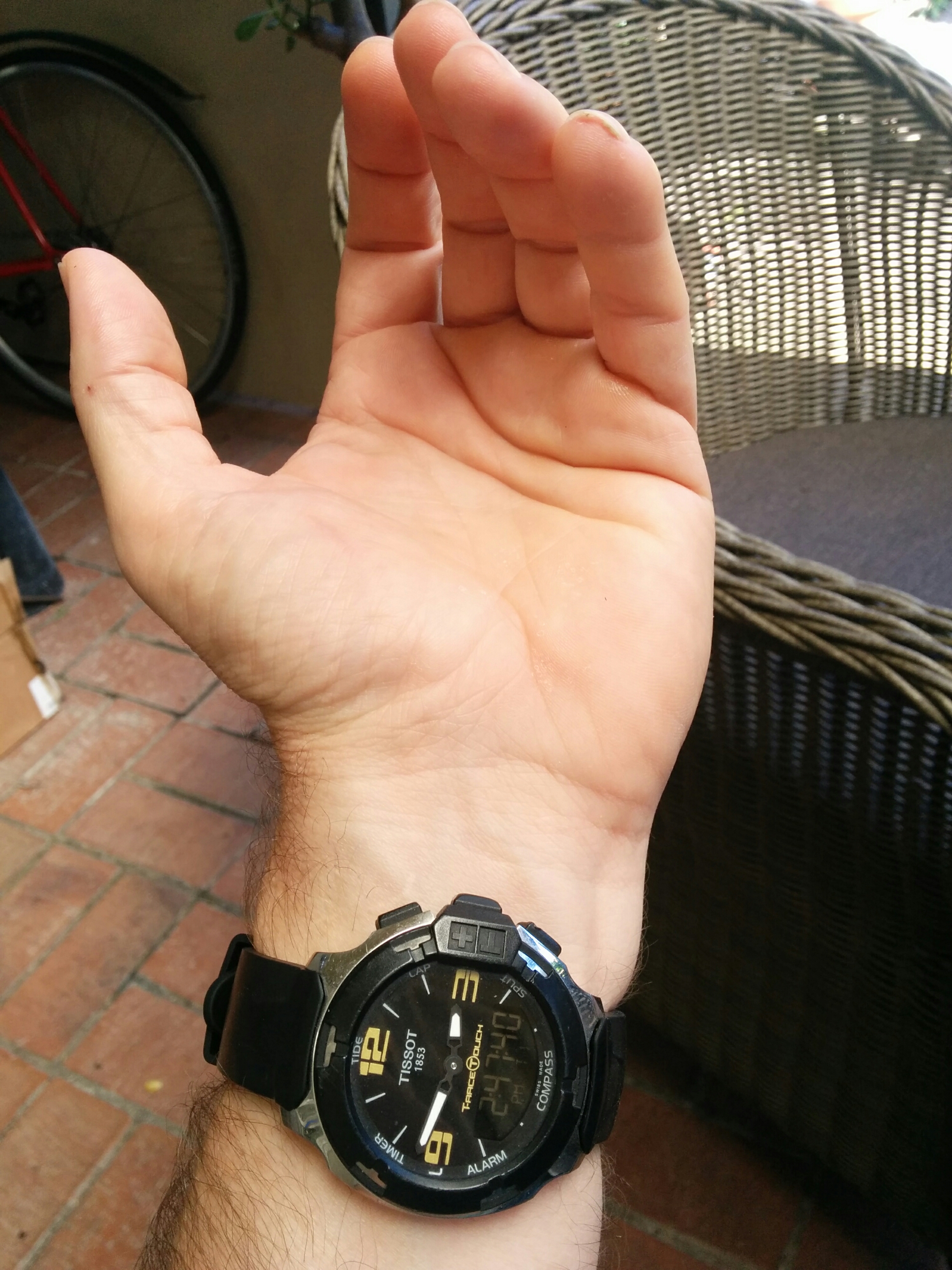
And the watch needs an electroluminescent night light activated by a button push. This capability inexplicably doesn’t exist on an analog watch. If you want a night light you either get always-on optical radiation on mechanical watches (glow in the dark madness even when you don’t want it) or a nice button push, but only on a digital or analog-digital watch.

What I would like to see is a slightly over-sized watchband buckle (on the inside of the wrist) that incorporates a normal digital watch. A larger version of the one below, taking up the whole buckle surface area.

This way the buckle will be where you read the time during daylight hours and the analog top watch would be just for it’s fashion value, night time light function and its smart watch biosensors if present.

Oh, and I wouldn’t put a brand name or symbol on it – it’s much more fun if people can’t estimate the value of the thing.

image

image

mxx1's avatar

Wrist

I wonder why we wear watches on the outside of our wrists?

It’s much easier to read the time if they are worn on the inside of the wrist. And on the inside of the wrist, watches would be much less prone to knocks.

I suspect it’s because watches are also a fashion item and what’s a fashion good for if it hard for others to see it?

image

mxx1's avatar

Milk foam

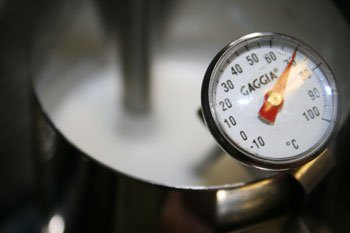
It occurs to me that the best way to automate milk foaming for coffee is to have:

(a) A height adjustment capability which varies the height of the steam wand in the milk, and

(b) A microphone that records the sound (frequency profile and intensity) of the milk foaming and adjust the height as per (a) – either built into the wand or external to it

(c) A temperature probe built into the wand

(d) Optionally an adjustment mechanism for the steam pressure in the wand

(e) Optionally an adjustment mechanism for the wand angle and position in the milk receptacle

The system would work by having one of the following:

(a) Simple rules to adjust the height according to the frequency and type of milk foam required, or

(b) Pre-recorded audio profiles for specific foam types and the height is adjusted using an algorithm to achieve this profile, or

(c) Learning algorithms to optimise all the adjustable parameters to get desired foam properties

It would stop foaming at the required temperature and foam consistency.

Note to self only.

milk_steaming

mxx1's avatar

Program STOP

I am sure I have said it before, but we humans are generally ‘supposed’ to do all the things that we do.

At the end of the day our function here on this planet is to reproduce and to improve the race. The rest is fluff.

Infidelity for example is so common that it has to be part of our programming.

In which case all of the emotional causes for infidelity are also pre-programmed. Insecurity, power, joy, greed, lust, you name it. These emotions are nature’s way of ‘controlling’ our behaviour in line with our function,

And yet we fight infidelity, we challenge it, we emotionalise over it, and more.

So why are we also programmed to fight out basic instincts?

My guess is that it signifies the start of the end. Really.

Just like when a bacterial population gets out of control in a petri dish and eventually dies off completely, I think our numbers are now out of control in our own spheroidal petri dish and we are headed for a massive correction. Perhaps a complete wipe-out.

We have that the mechanisms of that correction built in to our programming already. All one has to do is measure the degree of internal emotional conflict in the average person over the years and you can see from whence our eventual demise will nucleate.

That is, the developments of increased brain complexity that have enabled us to become so productive also carry with them the necessary functionality to execute our demise.

IMG_2324

mxx1's avatar

CAPS LOCK

If ever see an article, a post, or whatever we call something that we read these days, with CAPITALS used intermittently to STRESS certain points then I know that there is 99 chances out of a hundred that I am reading the maddened RAMBLINGS of a non-rigorous thinker, trained in the arts SUNDAY-SCHOOL.

DSC_0470

mxx1's avatar

Personally I think privacy is a mirage

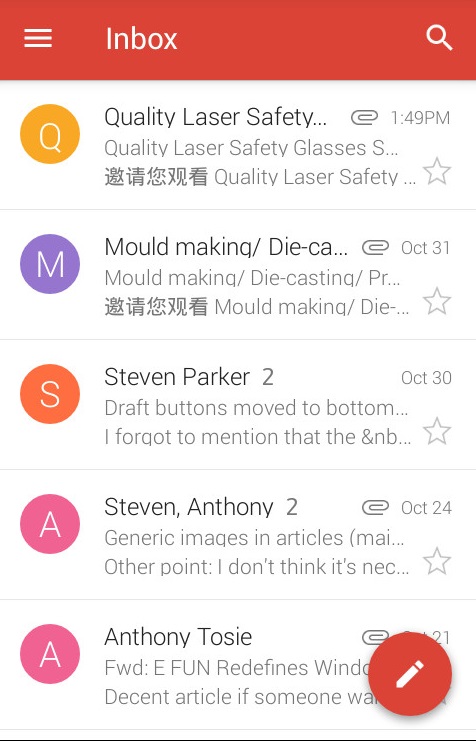
Google has just updated their Android mail app for phones and it looks suspiciously like the Android Mymail app from my.com

Curious, I did some research and found that my.com is a Russian company with access the email contents of millions of Android users.

When you use a third party Android mail app like Mymail then both Google and my.com have your email data.

This is not necessarily better or worse than an American company, e.g. Google, having access to all your data.

Other than the fact the higher profile company is more likely to get caught out rooting around unethically with your data.

In all cases I can imagine that the local national government can co-opt all the data for any purpose that they want.

And the company itself can do the same, especially in efforts to use analytics to find information about you to on-sell to sales and marketing outfits.

I stay comforted in the thought that none of my emails are very interesting. And also that the best place to hide a body is in a cemetery. And I am mostly immune to advertising after a life-long effort to be so.

463dc37c76538c54f6ed36260e8ed919_screen_384x640

gmail

mxx1's avatar

Presta

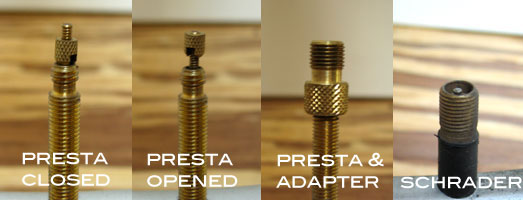
If there is a consumer device less fit for purpose than the Presta valve for bicycle tubes, I have not encountered it.

It has been around forever apparently and survives because it is the standard for road bikes and this is not an industry that likes too much change.

It also has the benefit of being very slender (6 mm) so the hole required in the rim for ingress does not impact rim strength too much.

But pumping these things is an ordeal. Just about every time I try to pump, no matter which pump I use, the thing flicks off, or leaks, or just doesn’t work. And they have a tendency to bend and break.

It’s so bad that I am sort of scared of the job and often ride around under inflated as a result.

You can screw on an adaptor (the Presta Valve Nut) which makes the job easier but that also makes the job take longer. And you have to keep track of the valve adaptor between uses.

In fact I just had an idea. I will screw on two valve adaptors to the two valves on the bike and just leave them there. Brilliant. I will report back.

presta-valve-vs-schrader

mxx1's avatar

Single minded speed

You know, I thought I had written this up before but a quick search of my own blog turned up nothing.

And that was a Google search, not the god-damned awful WordPress search. Linkedin, Facebook, WordPress – it doesn’t matter what, you are better off searching them with Google.

I started riding daily to work in (a guess) 2003 – so over a decade ago.

The first three months was on old rattler I had had in storage (mum’s garage) since my uni days.

I then bought a second hand racing bike off a friend, an old steel number from the early 1990’s.

That lasted a couple of years or so until bike envy seduced me into building my own carbon fiber road bike with top of the range SRAM running gear. It weighs less than 7 kg fully loaded. I built it myself with parts sourced out of the back of the factory in Taiwan (the frame) and Ebay. It cost me less than $1,500 for a bike that would retail for $10,000.

That is bloody expensive paint that the cafe racers buy into.

A friend, a lawyer with an ego, was about to buy a bike and I warned him of the cost of the paint job. He went ahead and paid for paint anyway. When quizzed he argued that a more experienced cycling colleague (he is part of a weekend warrior pack) explained to him that the paint represents ‘quality control’ and this ensures that the frame won’t snap in two like the ‘no-names’ frame that I have. Geez, all these frames are from the same handful of factories in Taiwan that OEM them to paint-job brands!

The real reason he paid for paint is to be a proper paid-up member of the pack. Lycra, potbelly and all. It’s just so important to fit in. Or to not fit in to their Lycra, collectively.

Back to the point of this article. This carbon bike marked my transfer to cycling cleats. I love the things since you have so much more power due to the push and pull effect. In the interests of staying alive in Sydney traffic I used Bebop cleats which are about 10x easier to get in and out of compared to the generally available numbers.

After riding this bike for a number of years I developed a problem with my Achilles and calf muscles. To cut a long story short, the repetitive action (the cadence) was shortening certain muscles and I wasn’t stretching enough to counteract this. So I then started stretching, which fixed the problem. But it’s just one more thing you have to do in a day that you would rather not.

Moving on, about two years ago, for no apparent reason I moved to a steel single speed bike which is very highly geared. This added about 10 minutes (only) to my daily hour or so of cycling. The upside was a bike I could leave anywhere without fear of theft (outside the pub for example), more exercise and a bike which has virtually zero maintenance. Those dérailleur gears on road bikes need constant tinkering, and who wants to become a bike mechanic?

There was one very unexpected benefit of the single speed. I decided not to use cleats on it (although I do have double sided pedals – one side is cleated and and the other not) which means I am pushing only. Together with the requirement to stand on the bike up hills, it totally ruins your cadence. But that also means that none of your muscles get overworked and hence the daily stretching regime is not required hence pulling back the 10 minutes deficit on the road.

wpid-20130801_204935_20130801205046736

mxx1's avatar

Vortex

Taxiing up to the new Canberra airport, I wasn’t in much of a hurry.

I didn’t have a ticket. My plan was to buy one there.

So you can imagine that I had all the time in the world to chase butterflies.

Or in this case get very distracted by the water sculptures.

Jumping to the end of the story, there are two water sculptures at the Canberra airport by William Pye.

William has spent his life doing high end water sculptures, aka fountains.

The one at Canberra is a doozy . Well, there’s two of them. They are both doozies.

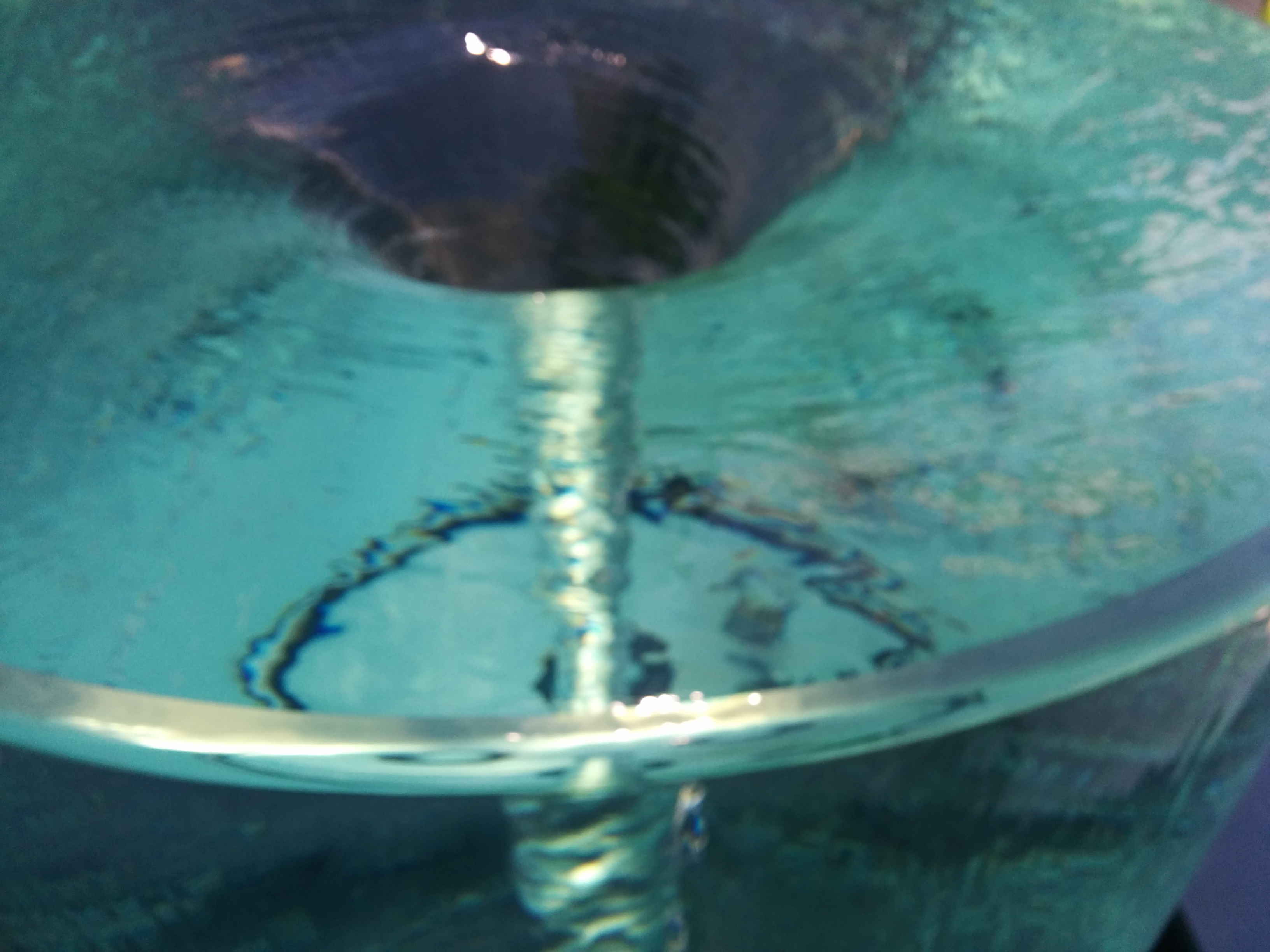
It (the one I focused on) is a large man-sized glass cylinder overflowing with water. The excess water runs down the outside to the bottom of the cylinder where it is captured and recycled.

What makes it fascinating is that the cylinder also has a full vortex on the inside.

This must work by having a pump inside sucking out the water at the middle of the bottom of the cylinder and then recycling this water into the cylinder so it’s volume-neutral.

And then there must also be a secondary pump slowly pushing water into the cylinder thereby forcing water over the top edge of the cylinder, down the outside into the drain for recycling.

The effect was very compelling to this scientist. I stood up on the plinth to get a closer look and a few photos.

And of course that alerted security, two and half (the dog) of whom promptly came to see what style of terrorism I was engaging in.

To be fair on them, I was awfully tempted to put something into the vortex to see what would happen. I can count a number of such curiosity-driven disasters in my lifetime.

Eventually I talked myself out of incarceration, liberally quoting my interest in the arts.

In the end I suspect that they just wanted to get rid of me.

It was lucky that I didn’t have a ticket or I would have missed that plane.

Afterwards I researched the subject and found out the sculptor was William Pye and his website shows his efforts all around the world. http://www.williampye.com/

For his next effort I think he should simulate a water spout. Now wouldn’t that be a sculpture and a half; a nice mill pond in the terminal (say 10 feet across) with a working water spout above it.

Apparently water spouts don’t suck up water – they are small and weak rotating columns of air over water. Effectively they are whirling columns of air and water mist formed when the right conditions apply; the right cloud type and temperature, the right ocean temperature, the right wind conditions, the right proximity of the clouds to the ocean, and the right atmospheric pressure, temperature and humidity.

From what I see on the internet it seems that they are not fully understood and scientists are just starting to numerically model the buggers. A good opportunity for an artist to jump the gun I reckon.

I just emailed William this idea; watch this space.

IMG_20141113_121211

IMG_20141113_121215

IMG_20141113_121238

mxx1's avatar

Free beer

In the patent world there is a thing called a “wish” claim which is also referred to as a “free beer” claim because free beer is something we would like to have.

This type of claim contains only the function of an invention and not any specific means to implement it – these tend to be detailed in subsequent dependent claims.

I love free beer claims. One of mine has just been granted in the US. I can’t say which one because it might prejudice future court proceedings when a bunch of people wake up to what has been granted. In truth there is so much relevant prior art that you have to think the patent examiner had a series of very bad hangovers.

IMG_0591

mxx1's avatar

Phil

This is Phil, the American in front of me in the queue at the Hudson’s cafe at the Canberra airport.

I know his name is Phil because they asked for his name when he paid for his order.

He asked for a croissant in a fake Frenchish accent. It came out as ‘qwossant’.

I had to suppress my snort of laughter.

Post script … Have I broken any privacy laws in this post? No idea. Maybe an app opportunity to automatically warn people that their latest posting, blog, tweet etc is on the edge.

image

mxx1's avatar

Bounce rate

The modern trend in websites is long single page sites.

I suspect these emerged due to pads.

When things were more mouse-centric, multiple pages made sense since it is easier to click than scroll with a mouse.

But on pads scrolling is easier than clicking.

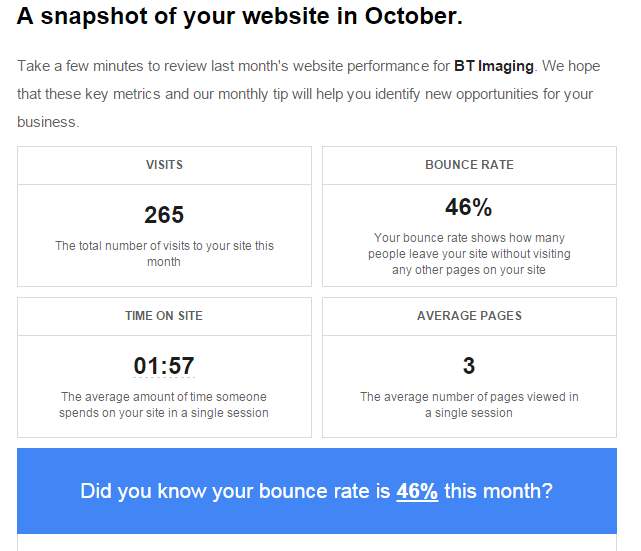
This trend to long single page scrolling sites puts into question Google Analytic’s ‘bounce rate’, which is the percentage of visitors that only look at your home page (implying a lack of interest to dig further).

Google tries to tell you that you have a problem if visitors only look at your homepage. But if your site only has a homepage then what is the problem?

All you really need to measure is the number of visitors that don’t get to the bottom of the home page – and call this the bounce rate, i.e. the number of visitors that don’t bounce off the bottom of your homepage.

Untitled

mxx1's avatar

MIT D’oh boys

This cannot go by uncommented upon:

“An analysis by researchers at Massachusetts Institute of Technology (MIT) has suggested that increasing demand for PV technologies mean that the production of input materials would need to be accelerated at a rate never before seen in the metals industry.”

Standard silicon PV requires silicon (from sand) and silver (mined in abundance) – no problems of supply there. Whereas all the other dopey thin film PV technologies use exotic metals like cadmium, indium, telluride etc.

The researchers found that:

“To meet even relatively small percentages of electricity demand by the year 2030, these thin-film PV technologies would require historically unprecedented [metals production] growth rates because In mining, CIGS and cadmium telluride are considered by-product metals, not mined for their own sake, but only accessible as byproducts of the mining processes for other metals, such as copper. Upping their production, therefore, is a cost-intensive process. “It is quite possible that the cost and availability of these critical elements will constrain deployment of otherwise game-changing technologies.”

D’oh.

They should have gone one step further and realised that in 2030 silicon PV will still dominate. But then that would have put into question all their dopey research into alternative PV technologies.

IMG_9534

mxx1's avatar

Sharkmeat

There I was staring at the hotel room ceiling where the avant garde designer had usefully placed slightly-psychedelic paisley black and white wall paper.

Well, ceiling paper in this case.

What did I notice?

First, that gravity is a fucker. The seams were lifting.

I then imagined a specialist handyman, the Michaelangelo of Canberra, going through all the rooms with a syringe with a special glue to re-submit the seams against the powers of entropy.

Then I bemoaned the unwanted intrusions of the two down-lights and especially the smoke sensor. A million dollars to the genius that designs a pretty smoke sensor. They don’t have to be ugly off-white plastic prosthetic aids now do they? One could do a flush fitting little chrome number. Anything.

In fact, I have always hated the little green LEDs that flash all night. Which dickhead committee thought it was OK to ruin every hotel guest’s rem/zen sleep? You really only need the LEDs to flash when there is a problem, like a low battery.

If it is absolutely necessary to have an ‘OK is powered’ notification then you could simply have a static notifier like the old US Telechron clocks that synchronised to, and ran off mains power. If they ever lost power a little static red indicator would automatically flick on. So the owners would then know the time showing was wrong due to a power outage at some time.

Moving past the extensions extending eccentrically from the ceiling paper, I then started imaging what the swirls were on the ceiling. Variably I saw sharks, birds, more birds, the odd jelly fish, and a few other animals. I am sure each of us would see it differently but few would admit such musings even to themselves, unless we were five years old.

And then I thought, wouldn’t it be nice if the ceiling paper ‘changed’ every now again? Using something like e-ink technology, every day the paper could slowly morph to give the owner (in the case of home installation) an ever-changing series of animals to spot.

In fact without the morphing paper I wouldn’t like this stuff above my bed and head. I would get frustrated at seeing the same animals over and over. And possibly even more so that I couldn’t see animals that I had seen previously. Eventually I would tear it down in frustration. And have you ever removed wall paper? It’s a fucker of a job that uses these special hand-held steamers developed by one of Lucifer’s off-siders. Doing it on the ceiling would be untenable.

The lovely thing about e-ink technology that could be used for the morphing ceiling paper is that it doesn’t consume power unless the display is changing.

Now there is a product worth developing.

Years ago (and I know I am now rambling) when I was working in Holland (early 1990’s) I was asked to help develop the e-ink technology when they first started their efforts. It involves the use of polymer colloid particles that move between electrodes and carries the pigment. It really is electronic paper.

I declined on the grounds that ‘it would never work in my lifetime’. Well that turned out not to be true. But to be fair it didn’t get into the e-book market, it’s first true application of merit, until well into the late naughties. I don’t have that much patience; actually I have bugger all, so I am still happy with my call.

You could imagine that morphing ceiling paper would very quickly be adapted for Gen Y’s to show their overnight facebook updates which they could read first thing in the morning. That would save them the phone grab until they had had a chance to wake-up a little.

Or you could add visual mood indicators to the ceiling paper, using brain sensors in the room, so couples could get a ‘heads up’ visual indicators of what they can expect off each other for the day. For example, ‘I feel like being stroked and cuddled this morning’.

And you could co-opt the technology for wallpaper too. Reaching back to my ‘wall of music’ idea you could have a wall of music albums that change daily or hourly so when touched you could hear new music all the time. That would keep the people that like listening to new music happy as well.

The possibilities are endless. ly. banal.

Screenshot_2014-11-13-08-33-23

mxx1's avatar

VC

The gubment has just announced that they are changing the Golden Visa program.

Previously any $5m investment, farms or bonds or anything, would buy a wealthy Chinese an Australian residency.

Now that $5m investment is going to have to be into Australian venture capital.

This is so Machiavellian that I am disappointed that I didn’t come up with the idea myself.

In truth you’d be better off investing in Opera House lottery tickets than Australian VC, based on past performances.

There have been calls for forcing super funds to invest in Australian VC but that would be politically untenable. You can’t force people to lose money unless of course they are buying something valuable at the same time. Like a visa.

This is brilliant.

One or two things will happen.

First, subversion efforts will come to the fore. VC funds that are fronts for property trusts etc.

Second, someone might figure out how to harness this new sort of LP with it’s Chinese connections as a means to figure out how to do VC here. Probably in unsexy sectors like food and resources.

image

mxx1's avatar

Whacky inventor

I can’t be the first to think of this – wouldn’t it be useful to have photochromatic or thermochromatic roofing?

Dark when it’s cold and white when it’s hot, in response to temperature or radiation. This would keep those heating and air conditioning bills down

The odd thing about this invention disclosure is that anyone that figures out how to do it can now only patent their particular way of doing it.

This prior art forever prevents a first (free beer) claim of a patent that claims a roofing material that changes colour with temperature or radiation levels to attenuate heat transfer accordingly.

This implies that a whacky idea is (only) sometimes a necessary, but never a sufficient, part of invention.

Between the whacky idea and diligent innovation there lies the unloved and misunderstood world of patents.

image

mxx1's avatar

Transference

I had a long chat to a dero in Hobart.

It, the conversation, started with a critique of the choice of living rough in the coldest possible city in Australia.

It then drifted towards his cause major, the dreaded conspiracy theory with an emphasis on corporations and corrupt governments.

It took a while but I eventually extricated myself. Politely.

I walked away with the feeling that he was covering up for guilt. But guilt for what?

I sensed that he feels guilty for the abundance that, even in his chosen poverty, proffers no threat to life or limb.

image

mxx1's avatar

Eye muffs

Tooling around the vineyards surrounding MONA we came across this menage a trois.

Two ducks fucking and one pecking the fuck out of the fuckers. Fucker.

‘Fuck a duck’ now makes sense.

‘Eye muffs’ I exclaimed to the wide eyed Lola.

She said ‘Dad, why was …’

Groan.

image

mxx1's avatar

Indian Journal of 419 Scamming

Some time back I wrote an article for Chemistry in Australia entitled ‘Crowd Funding and Chemistry’. I must have been pretty bored at the time since this is not a great subject to write about and subsequently I wouldn’t recommend that anyone reads this article. In truth, chemistry is best left to the corporations.

In any case, last week I get this spurious email from the Indian ‘Chemical Industry Digest’. They just happen to be doing a whole annual issue on crowd funding and chemistry and wondered if I could contribute.

Now there is 99% chance that this is a scam. But it’s a pretty elaborate one at that. They must crawl through industry journals and extract the author’s details and the subject matter, and turn the latter into a form email. As per below.

I wrote back saying ‘yeah, would love to etc’. They wanted an article. I said they could have the one I already have for free. They tried to engage with me to get me to write a longer one. I told them to suck it up and take what they got for free. They decided I was hard work and went silent on me.

Untitled

mxx1's avatar

Loopedin

Ooh, I just got a linkedin request from a guy that I don’t know that is at a large insurance company.

His job title has me happy, so happy.

It’s “Chief Innovation & Disruption Officer”

Heh heh. I will sleep well for days now.

2012-03-25%252003.15.23

mxx1's avatar

Email idea

I have deleted every unwanted subscription and yet I still have thousands of spam emails a month.

I scan through the subject headings all of my spam because occasionally a real email gets trapped in there.

Here’s what I want …

Everyone that sends me an email for the first time goes through this process.

The first email gets held in escrow.

The sender gets a return email with a link they have to click through to.

On that link they need to prove that they are human by doing a Captcha  (or similar) after which their first email is released from escrow.

Thereafter they are on the whitelist and their emails come through all the time.

For the computer generated emails these are filtered as usual, as spam or subscriptions.

A subscription usually has some means to unsubscribe and gets held in a greylist.

I chose which subscriptions to let through from the greylist into my inbox.

And I can remove people from the whitelist at any time if I feel the urge.

This business could be managed by a meta-email app for a smartphone (with browser access as well) that links to any current email service.

The business model?

Not advertising – I hate that in email apps. Analytics? Well that doesn’t seem right if you breach privacy and that is hard not to do.

Maybe a premium service that manages the whitelist and provides the users reports on their email usage.

Also an encrypted service with no central record keeping to keep those that care out of the government metadata databases. But that would require using a special email service not the usual providers.

Personally I like the idea of using Captcha to interpret all of the old births, deaths and marriages docs. There’s a fortune to be made in automated genealogy.

image

mxx1's avatar

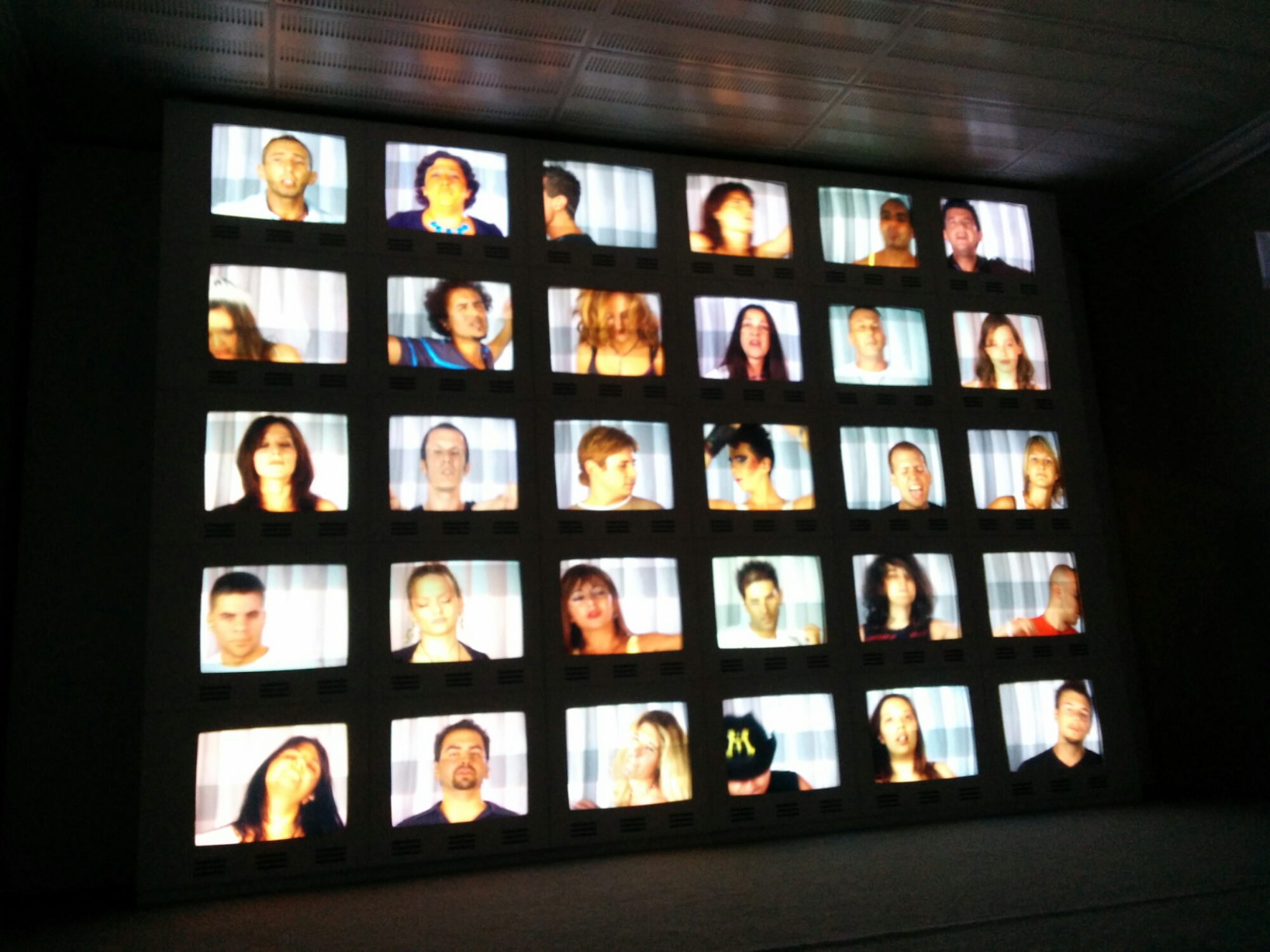
Moana

You can really tell a lot about a person when they are trying to sing. Surprising how much.

This insight courtesy of this wall of karaoke singers at MONA with the music suppressed.

It would make a great filter for a dating site me-thinks.

image

mxx1's avatar

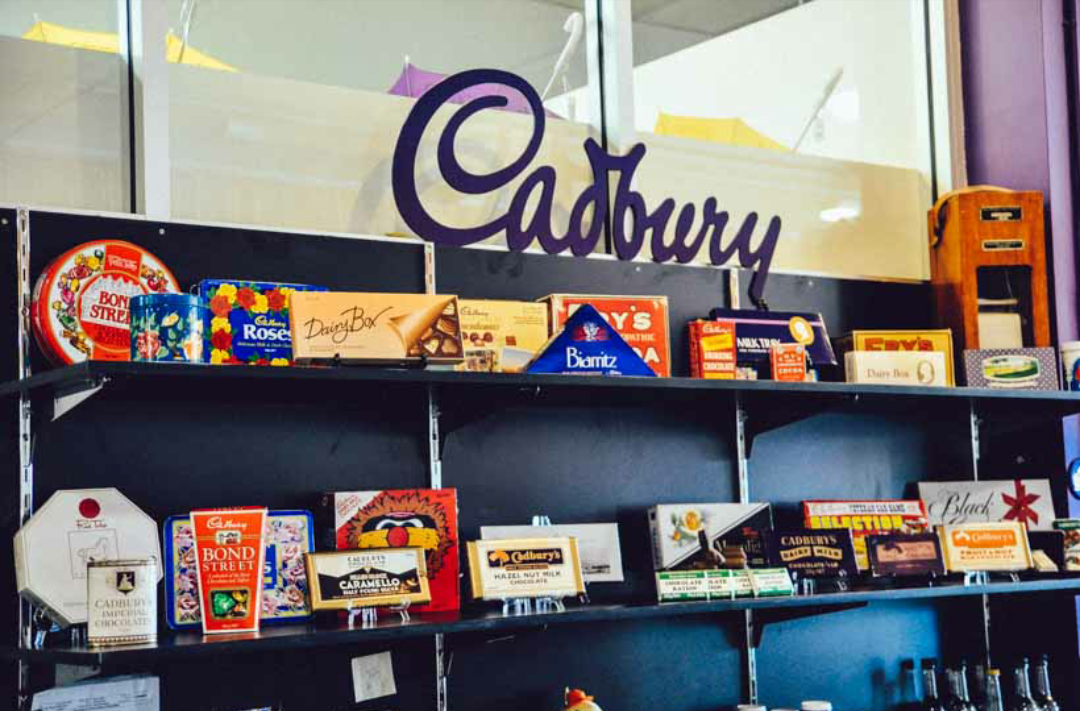
Cadburys

A new nomination for the worst tourism destination in the world, the Cadbury chocolate factory in Hobart.

The factory has nothing to do with it. It’s just a shop at the factory.

It’s feels like a communist era shop with aesthetics to match

There is a bad video of the chocolate making process which costs extra, in addition to the four bucks they take off you for enduring the shop – really.

The fact that it’s full on this Monday suggests that Hobart really is short on things to do and people really are addicted to sugar.

image

mxx1's avatar

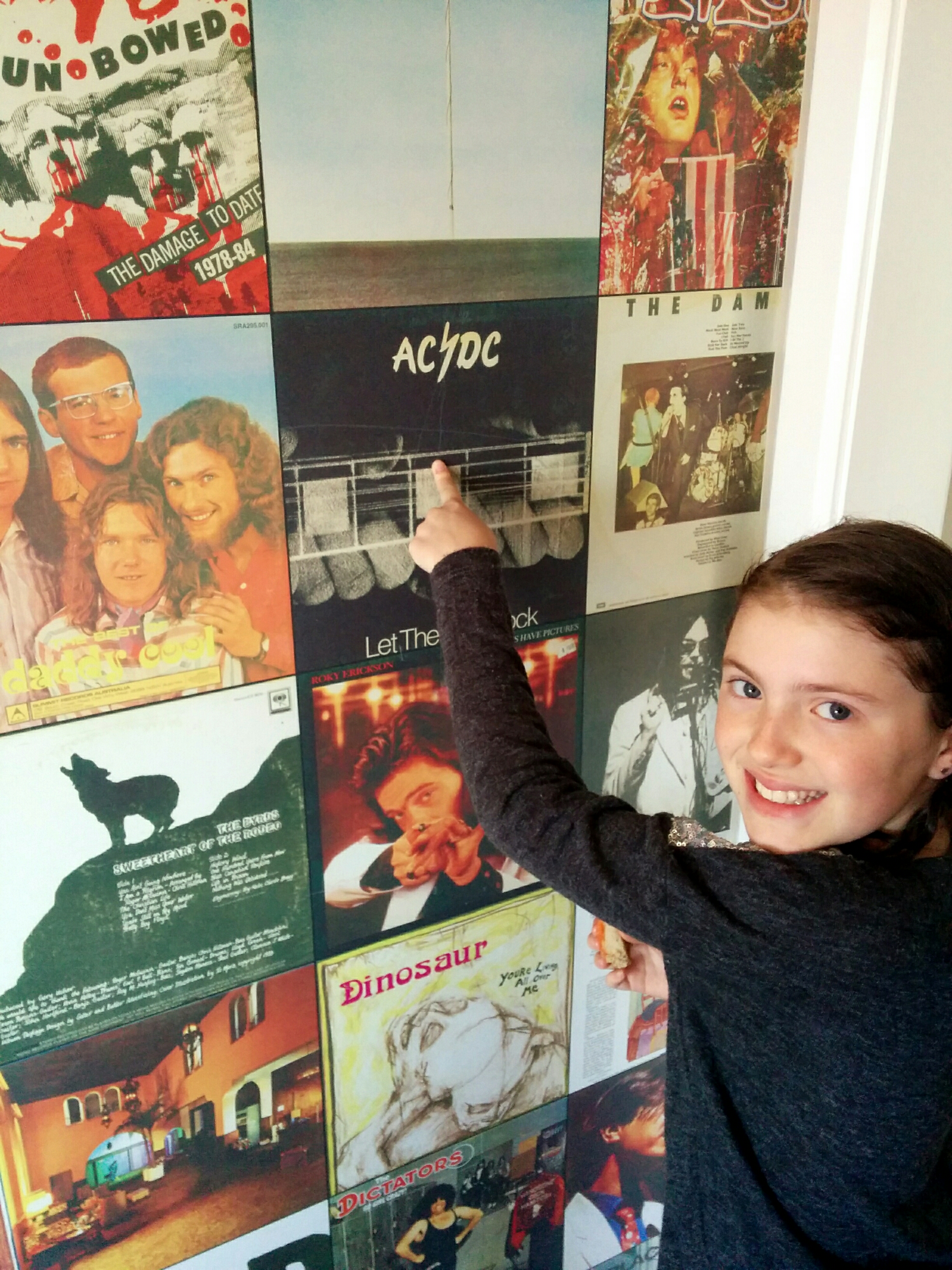
Wall idea

New business idea.

Pick your album covers online and get your wall paper of choice delivered. See below.

It can be album-sleeve sized or CD-cover sized for a more dense collection.

The wallpaper has touch sensitive pads built-in with Bluetooth chips for comms.

Touch an album on the wall and it automatically plays through your HiFi setup or phone or whatever.

One touch to start, another to stop, and a swipe left and right for next track back and forth.

We just did a feasibility test with AC/DC, Lola and YouTube on my phone. Worked a treat.

There’s a huge market for this – a large fraction of the population just want to listen to the same music over and over and over.

image

mxx1's avatar

Swiss gold

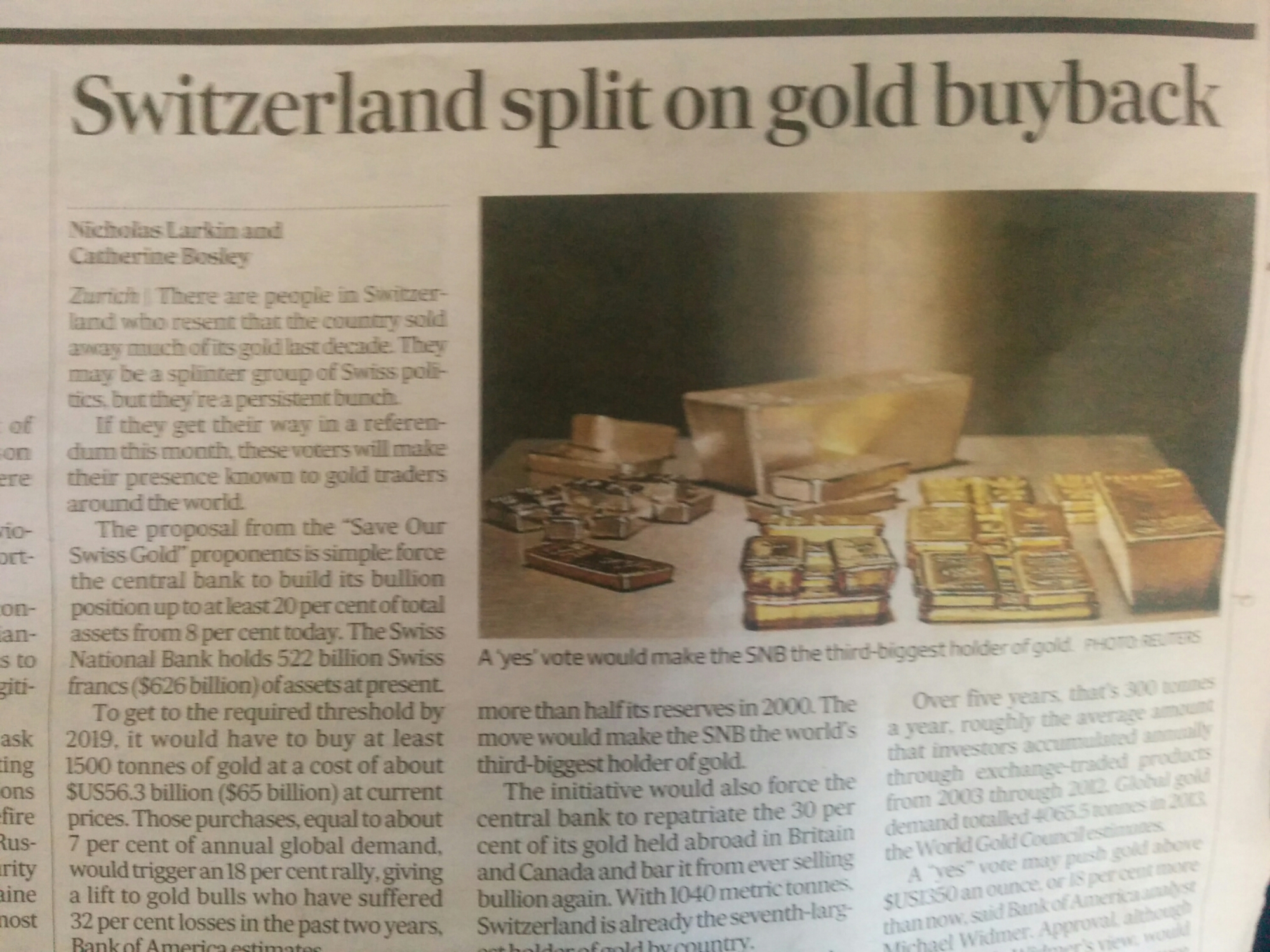
Get this, the Swiss are about to have a referendum on increasing their gold reserves from 8% of their central bank assets to 20%.

That’s about 1800 tonnes of gold at a cost of over $70b. That’s over four times the cost of their post 2000 sell-off of gold assets.

Why? An emotional attachment to the yellow metal as a ‘real asset’ unlike electronic script over shares, derivatives and similar.

If they do this, the world gold price is expected to appreciate by around 20%.

I would advise them to mine it rather than buy it. Or just buy a big gold miner. Much more fun.

image

mxx1's avatar

Tiger paradox?

Worth quoting

“A number of studies have documented the loss of play opportunities for children over the second half of the 20th century and demonstrated a clear link with increased indicators of stress and mental health problems.”

Any tiger mothers out there? Good wines mature slowly…

See more at: http://www.cam.ac.uk/research/discussion/school-starting-age-the-evidence#sthash.QqTS08Y3.WNmjJg8V.dpuf

image

mxx1's avatar

Correction

A long term study of online cards and casino gambling shows that, for these games of true “chance”, unless they cheat, about the only way gamblers can win is to get lucky and then stop gambling.

That is, the house, which takes a cut of all transactions, always wins and the gamblers all revert to the negative (residual) mean. The longer they play the closer they get to the negative mean.

In a two year study in the US about 10% of gamblers at casinos actually made money – but they didn’t bet for the whole two years. They came in to the casino, got lucky and then took their winnings and ran. Everyone that stayed at the table eventually lost money.

On the other hand, a five-year Taiwanese study shows that 15% of day-traders on the stock markets consistently made money, whereas 85% did not.

This implies that the stock market is not a game of chance for some. There is enough predictability for 15% of these day traders to predict what is going, on average.

Horses, dogs, trots and the like are a sort of hybrid between a game of chance and a system with predictability built in.

The races are weighted by favouritism but with odds adjusted for same. The end result is supposedly a game of “chance”.

However it’s a charade. There is residual predictability due to two factors. First, no matter what the odds are, some runners are just better. Secondly, and probably more importantly, we have race fixing and adjusting – those activities, small and large, that shift the true “hidden” odds away from what the book says.

That small number of professional punters that consistently make money at the races simply have more access to this hidden information. It’s all about information asymmetry related to the delta between the true odds and the quoted odds.

I bet it’s well less than 15% of the punters. more like 5%, at the races that revert to a positive mean on their gambling.

So while the ATO says that financial spread betting isn’t a game of chance, they are probably partially correct for 15% of the players. But the same rule should apply to the 5% or so of track punters that have a positive mean. I still think the taxation of gamblers should be according to their mean return is and not what they are gambling on.

More interesting is the idea that there is a relationship between the degree of predictability in a gambling medium and the percentage of people that have a positive mean return on gambling in that medium, over the long term.

Just think how much information those successful punters are ignoring. They must have figured out that only certain data inputs are important but that the rest is ‘fluff’ designed to confuse your average mug punter.

At the races there has been generations of professional punters and you can imagine that there is an apprenticeship of sorts, passing down the know-how of which data to take notice of – these are outcomes of the human learning algorithm.

I can imagine developing learning algorithms to compete with professional punters but the problem is that we might not have access to the key data. They keep this stuff very much to themselves and we cannot assume that all the key input data is publicly available, even for day trading and financial spread betting.

Then there is a second order approach. Rather than trying to simulate the professional punter, all you have to do is keep an eye on their trades. Let them simply be living and breathing algorithms doing your work for you. The best way to capture their efforts is through an online betting platform.

However, one would be well placed not to over-use such information. By capturing the punts of the professionals and sharing this information broadly you would pervert the market and ruin the odds on the winners. This would force the market into a period of destabilisation until some punters figured out a new equilibrium where they could get a stable return.

By which time they will have figured out that they should avoid your online platform.

DSC_0159

mxx1's avatar

Fat Chance

The ATO is quite confused about gambling.

Certain forms of gambling are deemed not to be gambling, on the basis that the winnings tend to be the rewards for skill and judgement rather than purely betting on chance.

Chance? There is no form of gambling that relies on chance.

An event that is being gambled on might appear to be of an uncertain outcome but at the end of the day there is always a small fraction of the gambling population that reverts to a positive mean.

The rest lose money.

Gambling is all about the smart taking money off the not-so-smart.

There is no chance in that.

So when it comes to income assessment decisions, the ATO needs to differentiate between types of gamblers and not the types of gambling.

If you revert to a positive mean then your winnings should be assessed as income.

If you are in the majority that loses money then you should get a income tax deduction similar to that received for other charitable causes.

DSCN0408

mxx1's avatar

Strewth!

An 18 year old girl just won a seat for the Republicans in the West Virginian House of Delegates.

She is:

1. anti-abortion
2. pro-gun
3. advocates for small business
4. and even smaller government
5. says that they should stop treating citizens like terrorists and terrorists like citizens
6. notes that America was founded on “Christian-Judean principles”
7. says marriage is the holy union of man and god
8. is anti-union
9. against the minimum wage
10. supports voter ID regulations
11. believes welfare recipients should undergo drug tests
12. and is pro-coal and doesn’t believe in global warming

How does one short the USA?

Untitled

mxx1's avatar

RSL

My daughter’s latest school newsletter contains a form-letter for those opposed to a rebuild of the local RSL club.

The before and proposed after shots are below.

It seems to me that schools really ought to stay out of these issues. It’s got nothing to do with education.

Or at the very least they should carry a form-letter for those agreeing with the proposal.

Personally I don’t have any issues with the new RSL club. RSLs are a much under-rated aspect of Australian culture.

In this case, I suspect the size of the rebuild is dictated by the requirements to make the thing financially viable.

The Bronte NIMBYs would prefer it just went away and was replaced with something more to their liking.

I sort of wish that the buggers had just stayed on the North Shore.

Untitled

council-drawing-of-DA-no2-smaller-2013

mxx1's avatar

Tax again

There is a fascinating article in the AFR today outlining how IKEA avoids paying tax here in Australia and many other places as well.

And Harvey Norman is worried about the unfair advantage of internet shops?

It doesn’t look like IKEA is breaking any laws and, really, it is up to the government to change them if there is a problem.

For me the fundamental issue is company tax – it makes no sense in these days of electronic money and hard-core fringe benefits tax.
What we need is a tax regime with two items only:

1. A consumption tax rate that increases with total consumption by an individual, and

2. A flat rate ‘holding’ tax for all electronic transfers of money out of Australia. If this was earned in Australia and is heading for overseas consumers then it would attract the top rate of the consumption tax.

Problem solved.

IMG00380-20100528-1049

mxx1's avatar

Benthamism

Yesterday I was chatting to a very senior exec in one of our four banks.

He was rabbiting on about how disappointed he was in the current government, suggesting that the bank’s interests were not being very well looked after.

I noted that there is nothing in our constitution that suggests that governments are there to represent anything other than the people, on a basis of (vaguely) one person, one vote.

Not possums, not banks, not the church, nor even retirement plans for politicians.

All of these causes are second order; only considered through the lens of the best interests of the people.

Then I laughed.

Seal%2520Rocks%2520001

mxx1's avatar

Cockroaches

The place is infested with them, innovation experts.

Everywhere I turn there is another one.

Forums, workshops, consultants, government agencies, articles, incubators; you name it.

The industrial revolution marked the start of systematic trial and error in business and technology. This was enabled by a shift in attitude towards a ‘disrespect’ of the past. Beforehand any efforts trying to replace the ways things had always been done were considered heretical.

This change towards systematic innovation was enabled by a slow build-up of skills and knowledge that enabled, on average, positive business outcomes from technology efforts. And some people were becoming more leisured so there was enough people with enough spare time on their hands to get into the innovation club. It became sexy and took off.

But it has been going for three hundred years now. Why, all of a sudden, is there a re-invention of innovation in the minds of many?

I can only guess it is because innovation is taken for granted, and many people get through their education and their lives without being aware of it. Ironically this is only possible because of the massive productivity gains enabled by three hundred years of innovation that allows society to ‘carry’ these unproductive people

The odd, odd thing though is that the innovation mantras that are being peddled by the ignorant are all askew. They know not what they teach. Essentially this is due to self-interest and a failing to understand the difference between cause and correlation.

Just in case you are interested:

1. Successful innovation requires deep experience in a field that can only be gained by continued effort, not all of which can be successful.

2. However, on average innovation is successful otherwise it would not survive in our economic system.

3. The key to successful innovation is risk management in all aspects of the game. This can only gained by experience.

4. If there is nothing risked then there is also nothing gained. Which is why direct government investment makes no sense – it encourages the wrong people.

5. There is very little relationship between those that do innovation and those that talk about it.

And that’s it.

image

mxx1's avatar

Publican marketing

I had a chat yesterday to the publican of the pub chosen for horse day.

It’s the local of a mate.

The publican is in the process of changing his beer selection.

We were chatting about this in the context of my ex-publican capacity.

Basically he is going ‘upmarket’, replacing the stock beers (Tooheys New for example) with white rabbits and other silly boutique beers.

His motivation is increased revenue and profit. He thinks.

But I know publicans. Running a pub is incredibly boring and they eventually just make changes to alleviate the same.

I asked him about his strategic marketing.

‘eh?’

‘Well it’s a hypothesis at best that selling higher price boutique beers will increase revenues. Margins will stay the same but on a higher per unit cost base, so that is all good. But you don’t know whether you will get more drinkers or not. You may even lose some of your regulars – many of them will resent the new beers. And the market for boutique beers is pretty over-subscribed; everyone is doing it.  And the people who drink this stuff only drink one or two on a night out. In fact it’s hard to drink too many of these things – they have too much flavour.’

Not fazed. At all. Boutique beers it is.

IMG_20141005_192035

mxx1's avatar

Geeks

Tooling around a geek forum this morning, trying to solve my home WiFi issues, I found this:

“Which router is good for connecting wifi between walls and obstacles? Currently using ASUS N56, first few months still good but after that the signal power dropped or excellent strength but data packet quality low. I cannot use TP-Link, Dlink or netgear router, always feel headache when turn on their wifi.”

“Maybe your brain is interfering with the signal?”

image

mxx1's avatar

Addictions

Up late.

My first two thoughts were a macchiato and this phone (well there was a third but I am keeping that to myself).

Foaming the milk, I realised that the phone was just out of reach.

I kept foaming.

At least I know which addiction trumps.

image

mxx1's avatar

?

All you mad physicists, what if there are universes where our mathematical rules do not apply at all?

It’s imponderable; the probability of this being true doesn’t even exist.

Put down your pens and pick up the pills I say.

image

mxx1's avatar

Alchemy

If one could turn lead into gold all you would do is substantially reduce the price of gold to a value around the price of lead, plus processing costs and a small margin.

On the LME lead is around $2k per tonne whereas gold is ca. $1100 per troy ounce. That is, lead is around 18,000 x cheaper than gold.

If the alchemists had succeeded we would be, inter alia, using gold on our roofs as flash flashing.

Those alchemist could do simple maths but they weren’t very good scientists. And they had not a clue about basic economics.

Lola (11) when I told her this idea instantly said “yeah but you wouldn’t tell anyone and you wouldn’t over do it”, referring to secretly not making too much gold and thereby not affecting the market price.

She intuitively understands trade secrecy, supply and demand, and price elasticity

Her school says she is an OK but not outstanding student. Once again I question the fundamental philosophies of our schooling system.

image

mxx1's avatar

Capitalisation

As a frequent traveler to China I can’t help but notice as to how focused they are on stats.

They love counting stuff like how many bikes there are in Beijing. As a result they are pretty good at it.

Chan, my old Taiwanese mate who is a home grown philosopher, reckons that this habit is very old and developed over millennia of centralised imperial rule.

They needed this habit because they were controlling a very large country in the days before instant communications.

The communist picked the habit up and further accelerated it.

Lately I suspect it is starting to fade. Maybe it’s a good thing to monitor for the ‘capitalisation’ of China.

image

mxx1's avatar

Wayyy out there

Taking the chemical computer brain hypothesis one step further…

Do the chemicals that store memory and analytical solutions have to be in the body of one critter? Maybe not.

Maybe there is intelligence spread across ecosystems and the whole planet.

An alternative or ancillary explanation to Darwin’s and the divine.

I have always thought that evolution by positively reinforced random trial and error sounded a little dodgy, for two reasons.

Firstly, there is too much ‘long range structure’; similar traits developed independently in different environments for my liking. Yeah I know the counter arguments but …

Secondly, the time frame for evolution from the first prokaryote, 3.5 billion years (that’s a guess), is way too short for my liking. And, yeah, I can run the simulation of the simulation in my head …

My gut feeling is that it’s a little more guided or connected than that; the ‘divine’ may be the distributed chemical ‘intelligence’ in the ecosystem.

image