A business incubator for asylum seekers.
Everyone I mention the idea to just loves it.
It’s the easily the most positive response to any idea that I’ve ever had.
And I’ve had thousands.
I must make sure that the UTS pursues it diligently.

A business incubator for asylum seekers.
Everyone I mention the idea to just loves it.
It’s the easily the most positive response to any idea that I’ve ever had.
And I’ve had thousands.
I must make sure that the UTS pursues it diligently.
Blop, blop, blop … the sound of air, the resistance of water and the spirit of Archimedes.
An air filter on one of these for the Chinese market … winner.
There no point having lovely clean water if you then go and pollute it with Chinese air.

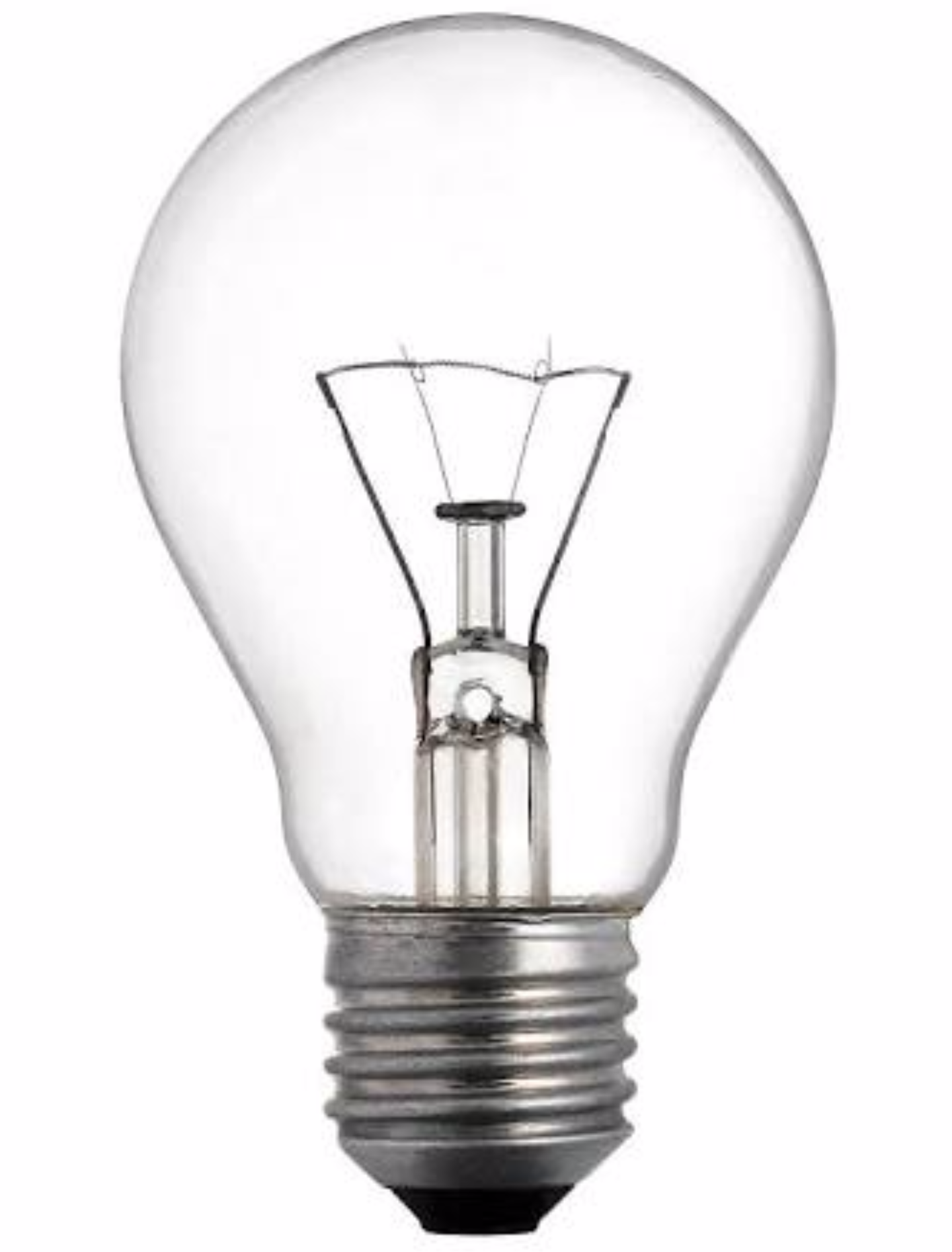
A light bulb incorporating a Bluetooth speaker, a microphone, a WiFi router, a 4G transceiver, a camera and an app to control it.
Oh and some LEDs for light.
It could be made the same size a normal light bulb with some ease given existing technologies.
I’ve always wondered why bags of chips (crisps) are only one third full.
I’ve always just explained it away as marketing greed; manufacturers making their bags look bigger than the contents.
But, no, there is a purpose to all that free volume.
In an aeroplane at altitude these bags puff up to the max but don’t pop.
It must be a finely judged thing. Respect to the genius who figured this spec out.

Be yourself, be considerate and try not to edit.
The rest will take care of itself.

Today I talked to an advisor to high net worth investors and his mate, a ‘venture capitalist’ with a $20m ‘fund’.
They asked me a lot of questions and I answered them honestly.
One of them called me cynical.
I said no, no, not at all. I tried to explain that critique is the first step to defining problems and finding solutions.
But they didn’t want to know.
They would prefer to go along their current path where the mean is a negative return on investment and effort.
Anyone that believes they can beat a market mean over a long period is a moron. Especially when their skills are sub-par.
Where comes this self delusion?
Firstly, the masses are all behaving in the same manner. So the rabbits all feel justified in running down the same road towards the headlights.
Secondly, the field is awfully complex and it takes deep knowledge, experience and intelligence to deconvolute it. They have none of these attributes.
Thirdly, the tech investment environment works in long cycles of ten years plus. The truth behind the cyclical mass failures get lost in the face-saving excuses as people exit to more secure sinecures, none the wiser.
Finally, the free money from government and fools also happens to follow the orthodox set of lies. It makes sense to drink the Kool-Aid if it comes with a money back guarantee.
Back to the cynical label. They can’t move past it because they have no interest in confronting the point of the critique.
In this you have to admit that there is a certain animal cunning in this that has to be admired.
A friend sent me a prospectus for a UK based startup that a mate of his is thinking of investing in.
Get this, it’s an electroluminescent (EL) paint. That is something you paint onto a surface that is also wired up to a electrical current which, when switched on, causes the paint to glow.
It’s the complex and expensive version of that photoluminescent paint that glows in night clubs when you hit it with UV light.
Firstly it breaks one of my cardinal rules of investment – no materials or chemistry. More on that later.
Other than that, it’s a cool idea. The idea has been around forever but maybe they have cracked the practicalities of mixing EL materials with real world coatings and electrical systems. Who knows?
What I do know is that coatings companies and their suppliers have labs and labs full of technicians and scientists to support their products and ongoing development. I have worked in them when I was young.
These guys with the EL paint have two guys and a dog and neither of the three of them has ever worked for a coatings corporation in a tech role.
The usual story for guys like this is that they know none of this which is why they do it. That’s both a good and bad thing.
They tell stories to ignorant investors and get a little money.
They get surprised when none of the big guys in the industry show any interest in their technology.
Then they realise that they are facing channel resistance because paint is usually sold in tins through a multi-channel distribution. Whereas they are selling a ‘system’ with issues of electrical design and safety and installation to consider. By the time any prospects have trialled these contortions they start dreaming about buying simple tins of paint again.
Then the limitations of their coatings start to hit and they realise that their best market is your local travelling carnival fair who are a little lax about electrical safety and have an alcoholic former electrician amongst their shitkicker staff who can wire the the stall fronts straight from the mains.
But the carnival guys will hardly give them a margin or even cash and demand that the shit gets repainted every 3 months when it peels off.
The board of the startup then brings in an industry ‘veteran’ CEO when cash starts looking low. This drunk is supposed to fix the thing and he even puts in a little bit of money as a short of commitment but strangely extracts a lot more as salary and expenses. He says they have to focus on customers and spends all his times telling lies to prospects. The tech guys try to satisfy the customers but there are more of them than tech guys and the technology doesn’t work anyway.
Everyone is too scared to tell the investors the truth and at the board meetings all that is presented is an ever creeping J curve of revenues with a series of ‘just around the corner’ stories.
Eventually, despite winning the UK medal for innovation, they go into liquidation losing their angel investors 2.1m quid of dumb common stock in the process.
What they have a bought is a whole bunch of people that now refuse to talk to each other and some techies who have this vague suspicion that they maybe they don’t know what they don’t know.
But only vaguely – they will try and fuck up again.
Usually in venture capital the IRR improves thusly (assuming all the investors are equally skilled and knowledgeable):
1. An investor in single companies has a lower return than
2. A VC with a portfolio of ten companies (where risk is spread) but
3. As the VC funds get bigger the IRR gets bigger because they can make bigger plays and fund the things to a credible market position. Oh and they keep control of their investments all the way through.
However this set of rules has never worked in materials and chemistry, and people have tried over and over. Why?
Well because the corporates in this sector simply don’t like buying anything and when they do it’s only because:
1. It moves the ‘needle’ – whereby it must be $100m revenue at least
2. But they refuse to get competitive about these things – it’s a club, so
3. The typical acquisition is less than 1x revenue
4. Which is reflection of the low growth in this old sector with very low margins
5. They can’t be paying big bucks for stuff when they themselves are on small margins and low growth in a saturated commodities market
So how to grow a materials and chemical company from tech concept to $100m (assuming you don’t mind losing real losing value – EVA – in the process)?
Firstly you would need 10-15 years with the first 5 without revenues.
Secondly you need to accept that any new product of yours is an incoming new BOM for your customers and they have to fiddle with it for a few years before releasing their product based on your product.
Thirdly, realising this takes too long you will end up going direct to the end customers yourself by targeting one specific end use (system) of your material.
Fourthly, you then realise you have to be a mini-corporation to do this given all the people and dollars required to do it.
And then you realise it’s a fucking stupid idea.
PS I write this solely in the case that I have to reuse it.


Found in the window of a photographic studio in Bondi Junction.
What more do I have to say about the fucked-up-edness on the eastern suburbs of Sydney??

A vacuum of tourists.
A whine of Sydney-siders
A moron of patent attorneys
A slick of CEOs
A giggle of girls
A sucrose of infants
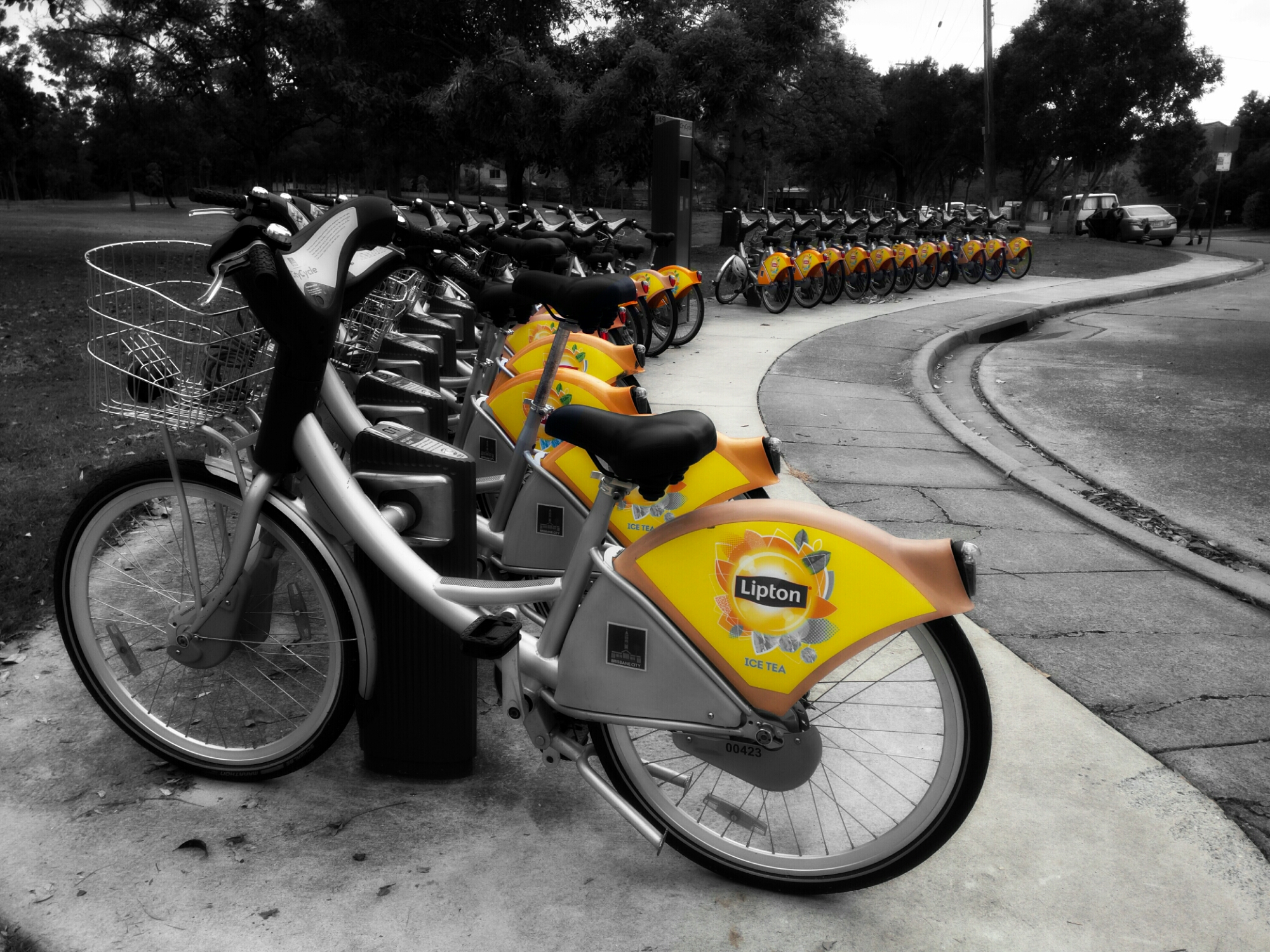
A wank of cyclists, known in French as a pelaton
A mystery of bankers
A mirror of hipsters
A rape of politicians
A cunt of All-Blacks fans

Just remember there are no present or future tenses of the verb ‘innovating’.
After a successful outcome you can say that you were innovating.
But before any successful outcome you can’t say that you are innovating.
You might just be nonovating.

An idea for Google.
Screen auto-rotation is a pain. It’s either on or off and it never seems to be in the setting I want.
For example I will be reading an email in bed and the thing rotates to landscape mode when I don’t want it to. Then I have to pull down the menu bar and deselect auto-rotation.
All I want is a function where after it rotates to landscape mode, if I shake it straight away then it goes back to the portrait mode and it also deselects auto-rotation.
Also if I rotate the phone but auto-rotation isn’t selected then I can shake it straight away and the screen rotates and auto-rotate is turned on.
Simple.

With regards to ‘setting your intentions’ and the power this process has for resolving any dissonance between the various parts of your mind, these intentions only live in the ‘now’.
They have no power over the future.
Which is to say that the proper process of ‘setting your intentions’ is also accompanied by a process of letting go of attempting to control the future.
[So I have a problem. This blog is my way of collecting and organising my thoughts but the elf reads it from time to time. I have no privacy so to speak. So my solution is simple – go back and amend a really old blog entry. The elf will never find that. You may wonder why I need to publish it at all – without that final act of pushing the publish button, it don’t mean nowt to me, my thoughts. I need to underline it by publishing it – making it the current final and complete set of thoughts on the matter. Which is absurd because this blog is designed so that no one ever finds it by mistake or even on purpose. Come on, if I am OK with my dissonance cut me some slack. Nothing risked, nothing gained I say. X]
Over the last few months I’ve felt like there’s a pack of black dogs out there nipping away at my good humour.
I’m not running, nor hiding. I’m just ignoring the cunts. You can’t give them air or they become real.
But it does beg the question, where did they originate?
I suspect that I’ve spent my whole life constructing an amusement parlour known as my life, and that’s kept me in the black, or red, or whatever you use to measure the positive side of the mood ledger.
More lately, as a freaking demented experiment in curiosity, I’ve stepped away from that amusement parlour. Not surprisingly, life’s vision then got these weird science fictiony blurring at the edges. And the dogs.
Now I’m effectively policing myself to ensure I don’t do anything stupid. That unfortunately makes me a little serious and less easy to be with.
What stupid you ask? Clear telltales are inappropriate sexual thoughts or actions, too much negativity in my blog, getting cross with the elf just for being herself, not wishing to be productive, hiding from social contact, too much drinking or smoking, getting worried that the elf might be fucking around, and not sharing my inner with the elf (the irony is noted).
You don’t increase your own security by decreasing the security of yourself. Or something like that. I’m not an island so being a cunt just makes my situation that much worse.
What’s my plan? Well, to bore my id into submission.
If that doesn’t work? By then hopefully death will sort it out for good.
Arguably I’m busy dialling the amusement parlour right back up as we speak. But my heart’s not in it. I know this to be true. I’m just going through the motions.
In the past, I’ve decorated the amusement parlour with affairs. But I physically can’t do that now; the elf is simply too lovely. I’m recalling the dissonance now – they’re looking for a get out of jail card, and I’m just decorating the jail. Lol, but still some bad karma to excise.
Why not deal with the root cause you say? I suspect that’s not possible, it’s way too late for that shit. Imagine a tree, old and tall, it looks fine from the outside. And it is, despite the fact the core died years ago, and the termites removed all traces that could have been used by the forensic psychologists. That’s me.
Worth noting that I’m by myself here. The wonderful elf that I live with doesn’t understand shadows, they just annoy her. And hilariously, she’s studying psychology. I think it’s a form of compensation to address her known lack of interest in the black dogs of others.
In any case, there’s no way in the known universe that I’ll bother her with this subject. She’s critical to my good intentions, and I like her just as she is. Her own view of life is quite binary, either good or bad. Once she’s decided I’m on the black side of switch, then I’m a goner. She’ll put up with a little shit, from kids maybe, but from me, fucking near zero tolerance.
But, really, it’s not about the elf. It’s unfair to bring her into the core of this. None of its her doing. Not one bit. The whole contraption predates adulthood in fact. No surprises there.
Actually I have no idea really, apart from some shitty Freudian cliches gleaned from movies and books. These I don’t trust because although they pass the Occam’s razor test, they fail the Maxwell’s razor test; if the hypothesis sounds suspiciously simple then so is the proponent.
That so called pre-dating might even go back to my DNA for all I know. I really don’t think it’s worth going all Agatha on your head, despite popular belief to the contrary. I smell self-serving rats.
There was a time where I thought that guiding my own kids through the same quagmire might be therapeutic for me. Turns out it feels good but doesn’t have any medicinal impact. Shame.
Where to now? I’ve got no idea. But putting this together actually helped. I think it’s an exercise in corralling the dogs and it worked, for today.
I’ll return to it later when needed.
It does beg the question. What’s the goal in life? I suspect that unless you wake up like the elf, with joy for the world, then you’re like the majority. Wondering why your life doesn’t match the advertisements. Or not, if you’re a fuckwit.
Possibly it’s a a case of wondering if the zebra is black with white stripes, or white with black stripes. The elf thinks it’s white with black stripes even as the stripes get really fat and there’s hardly any white to see. That is, usefully deluded.
Me, I can’t delude a single molecule in this collection of atoms that I’m inhabiting. That’s a side effect of using the onboard computer to effectively resolve so many problems over the decades.
You know what I’m doing right? Staying busy, amusing myself, policing my own stupidity, and just hoping that the underlying pile of shit magically disappears all by itself. Even I know that is so unlikely as to be absurd.
All I can whisper is those meme-ish words ascribed to the little bloke in the sheet; be the change that you want to see in the world. Or in my case, be the change that you want to see in yourself. Or more accurately, by repetitive practise, weed out the shit that you don’t want.
It works for kids and pianos after all.
All I’ve got to do is get in tune and bash out something pleasant to the ear that drowns out those fucking dogs.
Unlike Dave I think I can do it. Because I’ve been doing it my whole life.
I can hardly think of a single minute of peace. Those few that I’ve had, I recall the feeling but not the occasion. Eyes in the storms, briefly marvelled at.
[oddly, the image from this old blog works. An abandoned Bondi Beach in winter with a wickedly cold onshore southerly blowing the fuck out the place. Now you see where the title of this blog came from – the Offshore Westerly being the polar opposite – the happy warm summery thing that never lasts.]

I spent decades contemplating the world around me and the last (almost) three years writing this blog.
The blog has been a method to crystallise my thoughts and also a mechanism to spark interesting conversations that take me to new places.
However, I do not store my wisdom in my readily accessible memory.
It just goes into background storage tucked away from my neocortex.
I almost believe that wisdom can be defined as learned and earned insights that can’t necessarily be quoted on demand.
Essentially I am building up a database of knowledge in my limbic brain that can be used to challenge my neocortex-driven behavior.
You could call it the basis of a dissonance alarm, triggered by awareness of intentions or the lack of them.
That’s a fancy way of saying it’s just the vibe of the thing.

Pondering this I am OB1 …
“A difference between Eastern and Western psyche is perhaps that in the West we are now much more focused on the “individual” where traditional Eastern cultures of times past (and perhaps somewhat today) tend to be focused on the abstract, human collective.”
Having travelled around the East in various guises, backpacker through to businessman, I somehow have the feeling that this ‘abstract human collective’ is a bit of a furphy sold to us by certain Eastern types.
When you scratch the surface they aren’t so different over there.
They just go to greater lengths to pretend that shit don’t get under their skin.
And, they have a higher threshold for not cracking under pressure due to the daily practice they get.
The detached ones, the monks and the like, just can’t take daily life so they have to get out of there.
And all of this is hard-wired right into their culture so that none of these thoughts impact them consciously.
It’s quite easy to set your intentions and look all spiritual if you live in a society that values the appearance of institutionalised detachment from other people and the neocortex.
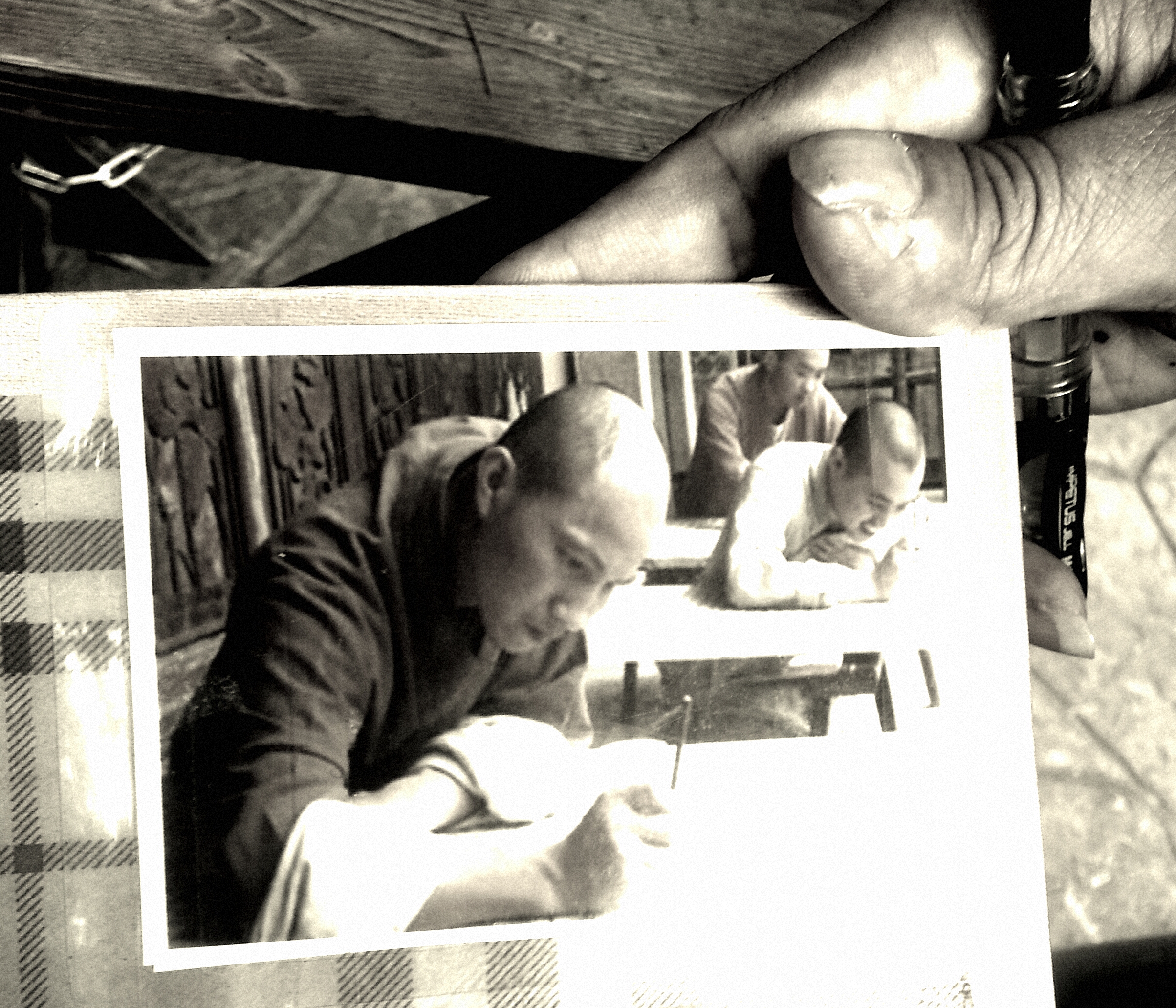
If you Google it, you will find that many of the Indian-derived religions and life philosophies have a concept called ‘setting your intentions’.
Anywhere from a 1 to 10 step process, ‘setting your intentions’ is right up there with ‘attached attachment’ as a chestnut chestnut.
The idea is to consciously set your intention with regards to, for example, human interactions.
This way you will be able to live more authentically due to your awareness of what you want and your new-found ability to communicate this so that others are not confused and behave more in line with your intentions.
However, if you use the front of your brain (the thinking/rational neocortex) to set an intention then it could be at great odds with the older-school limbic (emotional) or reptilian (control systems) parts of your brain.
I suspect that the point of setting your intention isn’t necessarily to create the intention as an outcome but to ‘out’ any dissonance between the various parts of your brain that you wouldn’t otherwise be aware of.
What you do with such dissonance is anybody’s guess but I would say ‘pause and ponder and sleep on it’ until the dissonance is resolved.
Whether you know where it was resolved or how, it doesn’t matter so much.

On the subject of bikes, apart from getting rid of all components that are subject to rust, I’d like to see a bike engineered for easy maintenance and good security.
All the key components would be affixed with proprietary bolts and the like. This would deter the casual thief from stealing bits off the bike, which still happens despite the fact that bikes themselves aren’t stolen much these days.
And the bike would come with a complete toolset so the owner can do every imaginable repair on the bike without recourse to a bike shop. Video instructions would be web-available.
The engineering design around parts like the crank and headset would have to be re-imagined to enable facile maintenance and lower cost tooling. This would be quite easy to do.
I couldn’t be arsed doing this but it’s a great idea for some young and passionate entrepreneur.
This is not the answer (below) but it just shows that there are such entrepreneurial types out there that just need to be given a little push in the right direction…

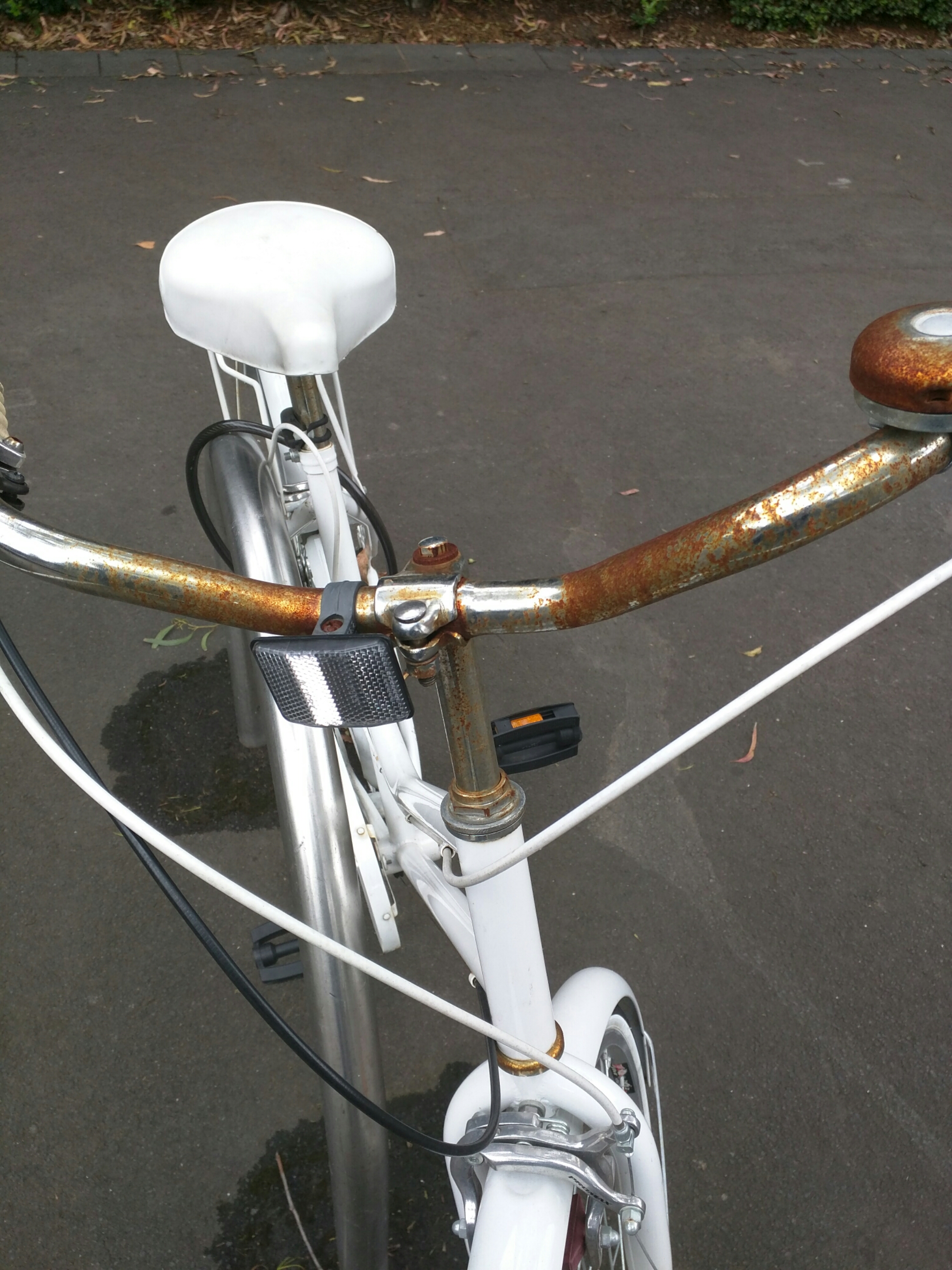
Have you ever noticed that all bicycles have some rust on them after a short while beyond initial purchase?
This is because of two reasons:
1. The cheap bikes are wholly or partially made from cheap Chinese recycled steel, and/or
2. Even expensive bikes have plenty of high tensile steel components, such as bolts and sprockets and chains, that rust like crazy.
In the modern era we’d never accept rust on a car but we do on our bikes.
I’d say this is because they all do it and most people have never asked the question. They just learn to ignore the rust.
It says a lot about human conditioning.
All it needs is one enterprising entrepreneur to build the ‘will not rust, ever’ bike and the game’s up.
The other day I wrote “But for men it’s sometimes about what people sometimes quite confusingly label ‘power’ – sex without consequences (maybe to spread those genes, who knows?) but combined with the overcoming of female dissent.”
It just occurred to me where this behaviour comes from (d’oh)…
It’s a throwback to our monkey past where we (the boys) were all trying to be the alpha male.
This involved two things; fucking all the girls and winning all the fights, and winning all the fights and fucking all the girls. Repeat endlessly.
It’s all the fella monkeys had to live for after all. They didn’t have a TAB, no beer, no pay-TV, no internet, just a single-minded fixation on plotting and planning to be the alpha male.
And if you think about it, it’s evolution at it’s best. All the blokes are trying to be the alpha male because that is what they are programmed to do.
Evolution then favours the strong and the virile in a self-fulfilling prophecy, and hence comes our blokish leaning towards indecent assault.
Being strong was important for survival amongst all the predators of the day. It was an arms race between the species and they all stocked their armoury through the use of this alpha male model (well at least most of the mammals did, and no wonder we scaled the dizzy heights of domination that we have, eh?).
Once we had developed that brain to the point where our smarts were more important in the alpha-male dogfight, we had also developed the ability to be bored with our own alpha-male groundhog-day lives.
It’s weird then where we have taken ourselves. Into monogamy where this rump of our alpha-male evolutionary past has less meaning but still casts a long shadow over our monkey-dumb drunken behaviour.
When you think about it, ‘power sex’ is about as useful as nipples on a bloke.
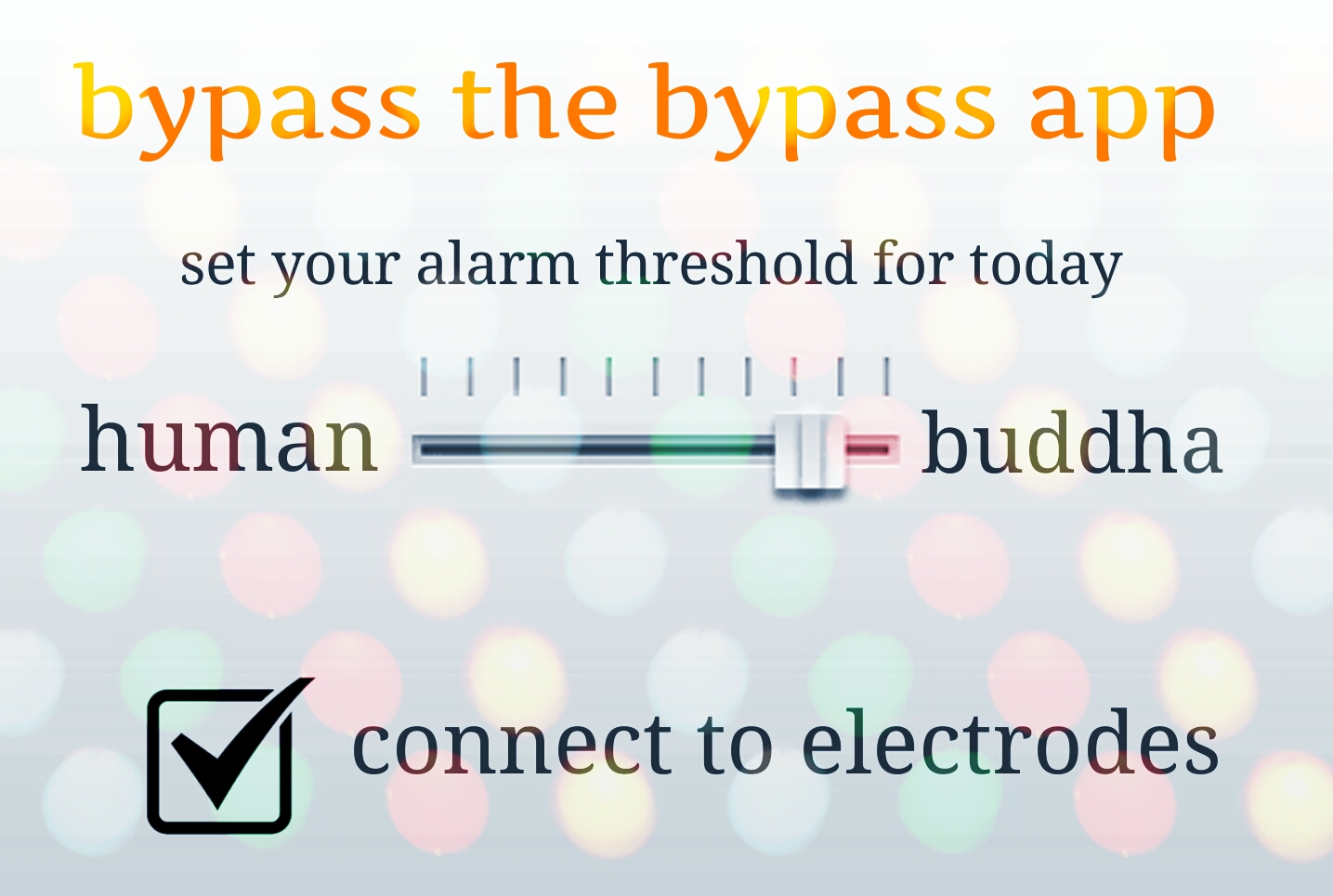
Before..

After…

The best way I can get Australia to become a high tech exporter is to get our large services company innovating in the areas of their core revenues.
The best way to get them to do this is the patent box, but carefully constructed such that it’s only for export income.
The best way to get the patent box in is to let the patent attorney industry do the work because they are worried about their shrinking market due to certain changes coming up regarding foreign filings.
The risk is that the patent box that is introduced is used in a facile manner for local income.
I will ponder how to solve this risk.

I went to an ‘innovation’ conference yesterday. Well the last hour or so.
Without referring to a dictionary I suspect innovation means, or is assumed to mean, changes that bring benefits.
Somewhere though there is the assumption that innovation has to be earned through effort and investment of time and resources.
Random or effortless change isn’t innovation and only will provide greater than expected benefits by chance.
What about most of what I saw yesterday?
Well I would say people were describing their efforts and investment of time and resources into proposed changes that would never be implemented because the benefits were marginal.
Thus a new word is born – nonovation
My phone updated to Android 6 and the WordPress app crashes if I insert a photo into a post. Geez!
I have just read this fascinating story about a visiting professor at the UNSW. A 63 year old oncologist who lives in Glebe.
He recently invited one of his grad students around to his place to discuss her work and promptly drugged her and then ‘indecently’ assaulted her.
Mucho issues for the oncologist.
It got me wondering, why? He could have just wandered down to the nearest brothel if it was sex that he needed.
But for men it’s sometimes about what people sometimes quite confusingly label ‘power’ – sex without consequences (maybe to spread those genes, who knows?) but combined with the overcoming of female dissent.
The modern version of Viking rape.
Although the visiting professorial guy overdid it, the behaviour is on the same scale as the Tinder commando I heard about on the weekend. Selling himself as whatever he thinks will work, he ‘converts’ with a flourish of disdain and false advertising.
So, are all men bastards? Are they all somewhere on this scale of wanting ‘power sex’ which is only of a latter day attenuated by education and embedded morality?
And what of the other half of this equation, the women? Although they can’t be accused of indecent assault, they could often be accused of indecent deception.
Holding out sex as the honey pot, they often seek ‘entrapment’ in a permanent relationship without prior disclosure. Fortunately for the women there is no extenuating version of this that has yet been encoded as a criminal act.
So, indecent entrapment versus indecent assault of various varieties. Your lies versus their lies. We may all be on the scale somewhere.
And sometimes the roles are reversed between the sexes just to confuse the issue even further.
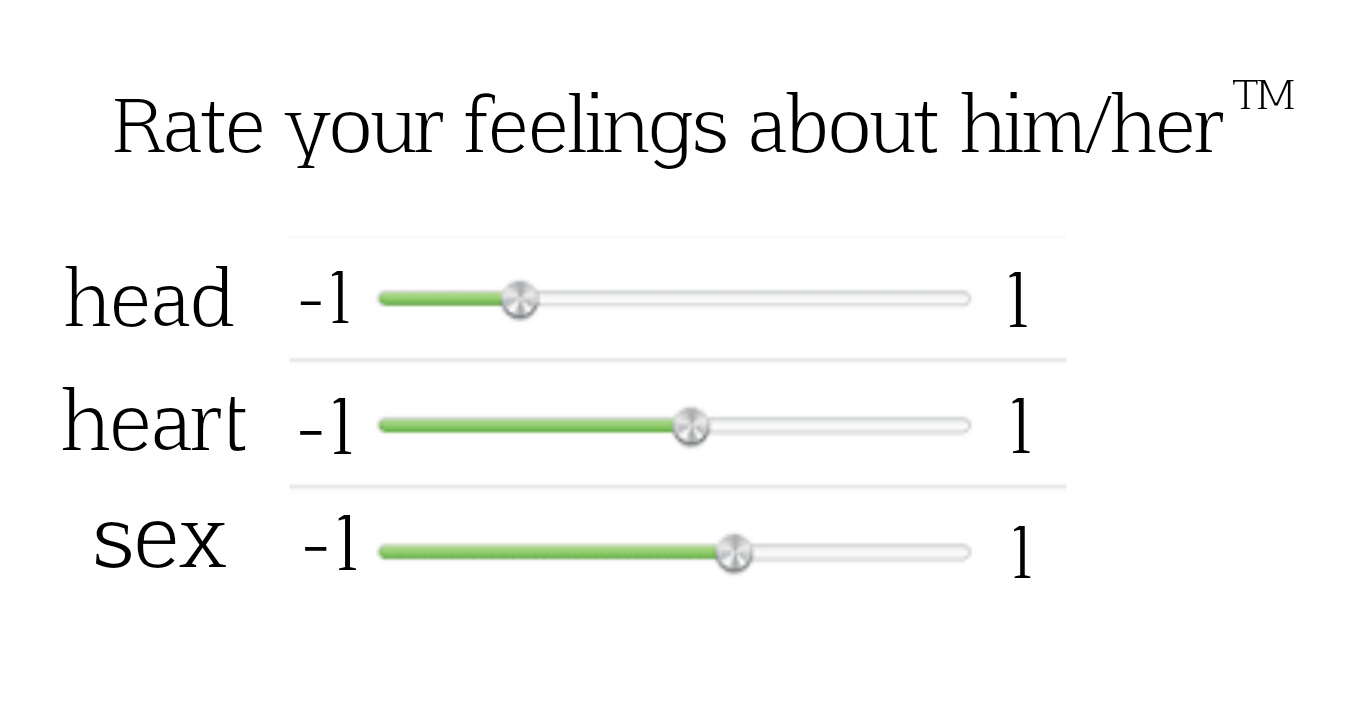
Maybe the dating apps need a slider bar on the profile setting where people can set their intention between entrapment and assault.
And of course a lie detector test to go with it.

No matter how hard I try, when I publish an article it’s very clear from the comments that some people have no idea what I’m trying to say.
Also, they don’t have a single inkling that not only do they not understand the article but they don’t understand the subject matter either. Not even a little bit.
Where comes this lack of self awareness?
Well, I have decided to name it ‘intellectual bypassing’. Although these people are sincerely trying to follow and participate in the discussion on the subject, there is a widespread tendency for these individuals to avoid recognizing their own undeveloped minds and education.
Just as an aside I reckon this is a sign of a bigger problem, one flowing from a lack of secure attachment as a child and all the resulting issues that flow.
Back to intellectual bypassing; we used to say ‘know what you don’t know’. Now I suspect a large majority silently believes (without knowing it) that they should ‘not know what everyone else doesn’t know’.
These people need to recognize that everything they comment on in ignorance is a mirror of something they are not facing or acknowledging in themselves. These unconscious projections and reactions always become played out externally in groups.
I believe that our society is actually being slowly engineered to support people’s sense of alienation and disconnection. There is simply no feedback or critique worth having. Things are not improving.
No amount of spiritual development by individuals will be worth having if we can’t absorb and encode that learning so that others may follow.
After all, knowing the empty nature of attachment, I know that my motivation to benefit sentient beings must supersede it.
And by definition this will only work if everyone knows and believes it. There’s no point if it’s just me and a few scattered Lamas. That’s a fail.

Empathy is a three step process in my world view:
1. Understanding how others feel, and
2. Caring how others feel, and
3. Acting on such understanding and caring
The enemies of empathy are a lack of intuition, a lack of caring and laziness.
Similarly, the art of interaction without misstep is also a three part process:
1. You have to first know yourself* to know what you want
2. You have to check that you really want something and consciously set the right ‘intention’
3. You have to be overtly clear to a third party as to what you want
* To know yourself, please refer to previous blog entry
The enemies of rightful interaction are therefore not knowing yourself, not loving yourself and laziness.
Of course if the third party has misintentions and/or a lack of empathy then all your efforts may come to naught. Avoid these people or make them a life-long project.
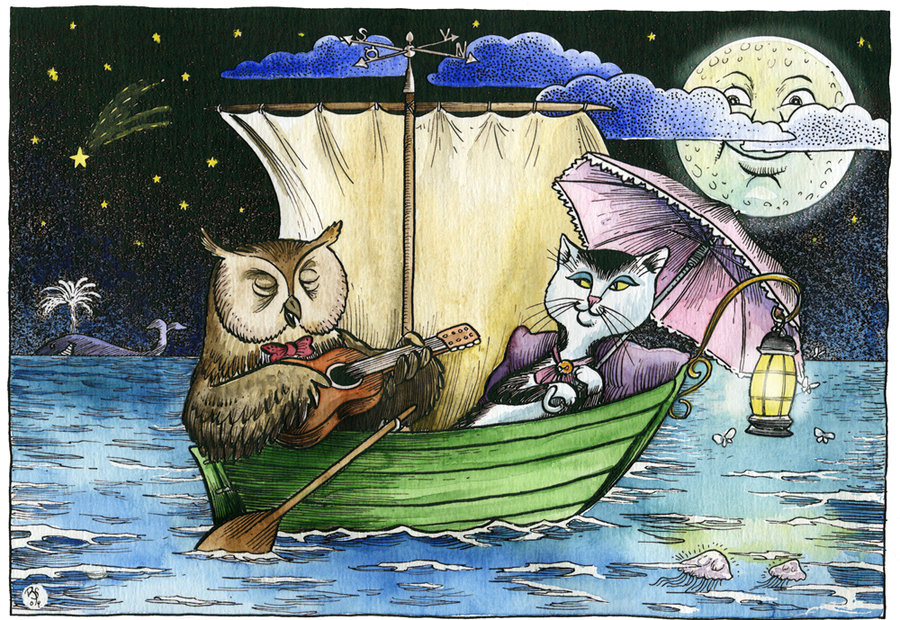
I did some internet searching for a very special person and this is my summary of a lot of material …
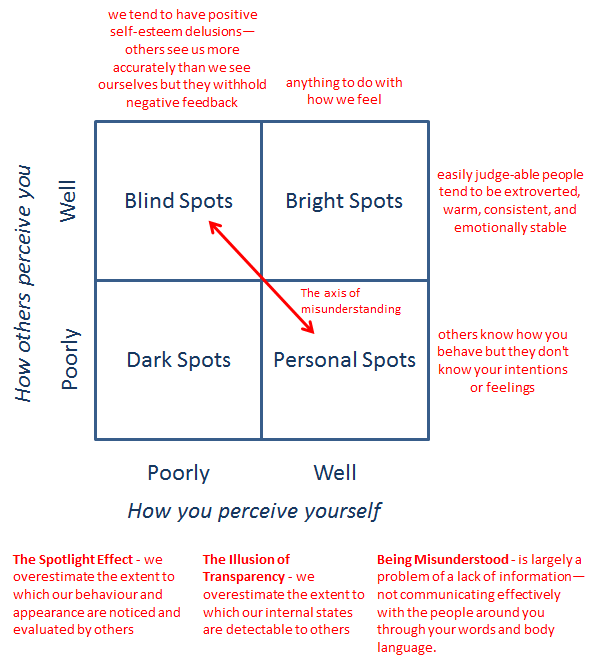
There’s an old saying that I just made up.
Don’t step on the leaves unless you want to be targeted by the kookaburras and monitor dragons and all the other reasonably insane over-stimulated and over-fed dissonance pain bodies.




I just saw this cool thing – what looked like an ant running all over my phone. I thought ‘great app’. Then I realized, it was an ant! Still, cool app, waiting to happen.

I have one of these (image below), a ‘wind-proof’ umbrella.
The idea is that the umbrella is so-shaped and so-design such that it won’t turn inside out when you least need it to.
I suspect there is an easier way to solve this problem; just fill up the space under the umbrella so that it isn’t concave any more, just flat.
All that is needed is a second membrane for the purpose – see second image for concept.


Easily and by far the most innovative thing that’s happened in this country for a decade or so – hybrid rugby.
The rules are brilliant, rugby in the attacking half and league in the defensive half. I’d have never thought of that.
I’ve just watched the first match and my prediction is that it’ll take over from the two rugby codes. Eventually.
The ‘why’ is an interesting one.
Both codes have about the same number of active players, 2.5m each around the world. However rugby union is played in many more countries and hence attracts more dollars on a global basis for TV and sponsorship rights.
The big issue the codes face is liability resulting from injuries as the first world gets more first world-ish. People will just stop playing the games and the codes will be swamped with liability costs.
The new hybrid code reduces the number of players in each team to 13 and hence the number of players in the scrum to 10 players. This removes rugby union’s biggest single issue in regards to injuries – the scrum.
By combining the rules so cleverly, players from both codes can immediately play the game without being disadvantaged and each code will feel as though their code is being ‘preserved’.
Most importantly, by combining the codes the game would have that much more power with regards to TV rights and crowd participation. Rightly it could be become the second most popular sport on a global basis.
Resistance to a merger will be strong from the entrenched administrative beneficiaries of both codes. But money speaks in the end.
Importantly all of England, NZ and Australia would be more competitive under a merger because each has both a strong cohort of league and union players.
These three countries could lead the merger. The rest would have to follow kicking and screaming.
Maybe I’m dreaming, who knows.


The goldfish climbed up from the bottom I suspect.

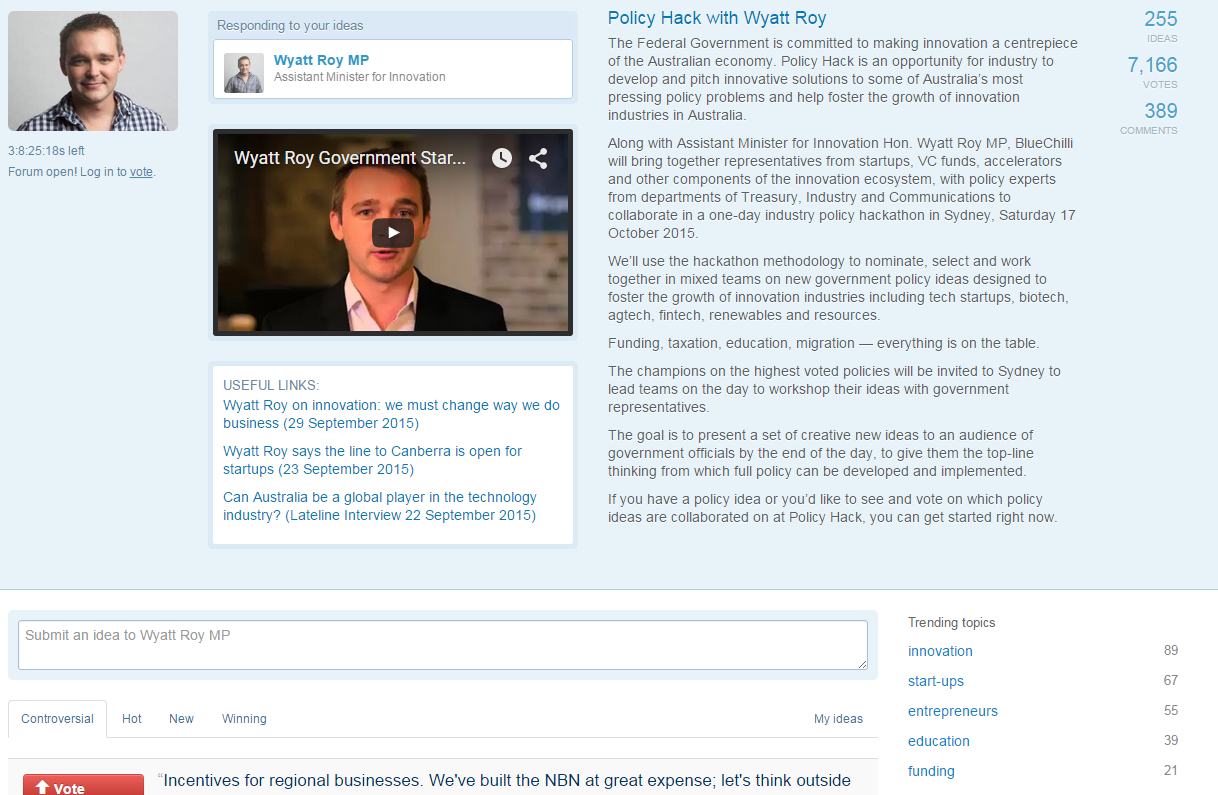
Our new 25 yo feral minister for innovation is crowd-sourcing his policy development.
The issue here is that the crowd is either ignorant and/or self-serving.
A drone incorporated into an umbrella such that it hovers above your head with no need to carry the thing.
A battery pack and a lead to the drone umbrella attached to one’s belt.
Taking the battery out of the drone reduces weight and the battery can be larger than usually found on a drone (for weight reasons). Combined this will give hours of hovering.
The drone umbrella will hover right over one’s head and will stay there, located by wireless position sensors in the battery pack and umbrella.

This is what I mean. This is HOW we counter technological unemployment …

One wonders whether the upcoming corporate debt crisis is actually quite rational.
I mean, the impact of IT is to make more consumption ‘virtual’.
All that money that has been made off increased productivity (in turning raw materials into finished goods) has nowhere to go.
It’s not that we are running out of resources yet, it’s just that people are turning to forms of virtual consumption and as result we aren’t consuming increasing amounts of resources.
Maybe governments are going to have to start destroying cash to counter this.

“Turnbull is not a rebadged Abbott. But he must do more than shift conservatives to the centre”
So screams the Guardian.
I disagree. His job is to do nothing until the next election whereupon he will have a mandate so long as he articulates where he plans to lead the government.
In the meantime I am quite happy that he isn’t Abbott. That in itself is a relief that will last quite a while.
Personally I’d like to see the government articulate that it’s future plans are contingent on the Senate agreeing with all major policy initiatives in their entirety.
I would advise then not to negotiate with the Senate at all. That’d teach Australians not to give a reasonable government a majority in both houses.

From some Shelstons IP blog …
‘In reaching its decision, the High Court seemed to be motivated to rule against the patentability of isolated naturally occurring genes in view of the breadth of the relevant claims, stating somewhat emotively that “[t]here is a real risk that the chilling effect of the claims would lead to the creation of an exorbitant and unwarranted de facto monopoly on all methods of isolating nucleic acids” … It is unfortunate the High Court was not familiar with the independent report on the economics of gene patents in Australia prepared by the Centre for International Economics as this report confirmed patents play a key role in promoting innovation and the public-private partnerships required to bring new human gene-based medicines and diagnostics to market.”
Well, no one seems to have a clue in this little story:
1. Firstly, the patentability of a subject matter is not supposed to have to do with whether or not there is an economic impact on society or some of its members. That’s not how the patent act is written, so shame on you High Court.
2. Secondly, investment into technology is very much enhanced by patents due to perceived lower risks of copying and reduced margins and market share, but this wouldn’t happen in Australia. So shame on you Shelstons and good on you High Court. But why not have the balls to say it straight up? That is “this is another example of how we can weaken the Australian patent system to make all those imported technology products cheaper, without breaching our international treaties”.

After Monday there comes Tuesday


Mikes says (of the loco in the photo below);
“We actually built these Locomotives here in Australia, why didn’t we become the leaders in making them, can’t imagine mass production was an issue and the UK shipped locos all around the world so it wasn’t a problem with logistics?”
I asked where he heard that. His answer was by the team that lead the Australian Technology Park in Redfern where the loco sits.
So I did a bit of Google searching … five minutes worth of searching, that’s all it took in fact.
In 1937 Robert Stephenson and Company was formed, which was based in Darlington, UK.
Robert Stephenson and Company took over the locomotive building department of Hawthorn Leslie and Company, based in Newcastle upon Tyne. They then renamed themselves Robert Stephenson & Hawthorns.
Basically the shipbuilder in Newcastle, UK flogged their loss making loco division to the Darlington, UK company.
The IP (patterns, drawings etc) of locomotive builders Kitson & Co (Leeds, UK), in receivership, was obtained by Robert Stephenson & Hawthorns in 1938.
That is, these designs for the locos were from the UK and hardly changed between 1937 and 1950, and they were made in Newcastle upon Tyne.
In 1950 Robert Stephenson & Hawthorns was acquired by another UK company, English Electric.
Not much of an Australian story there …

“Now there are many, many people in the world, but relatively few with whom we interact, and even fewer who cause us problems. So when you come across such a chance for practicing patience and tolerance, you should treat it with gratitude. It is rare. Just as having unexpectedly found a treasure in your own house, you should be happy and grateful toward your enemy for providing you that precious opportunity. Because if you are ever to be successful in your practice of patience and tolerance, which are critical factors in counteracting negative emotions, it is due to your own efforts and also the opportunity provided by your enemy.”
“Compassion is not religious business, it is human business, it is not luxury, it is essential for our own peace and mental stability, it is essential for human survival.”

I just attended a Rotarian breakfast in my new capacity as a non-concerned person.
140 north shore business types of which 138 were of Caucasian descent. The two dissenters were Asian looking. I am not being critical here; this was just an observation.
I will give them this though, there were plenty of women in attendance.
The speech was given by the NSW state treasurer (& I think the deputy premier).
I would say she has an average grip on finance at best. Not that this matters much because they aren’t hindered by paying taxes like businesses.
But any changes they do want to make are hindered by the need to deal with the “losers” and also the requirement to “sell” the changes to the rest of us.
Currently NSW is doing “well” and this is because of four reasons (that I could discern through the fog of oddly presented data):
1. There has been a freeze on hires in the public service and a total drop in employment numbers due to natural attrition.
2. There has been a reduction in pay rises in the public service due to some long term wages deal at a low rate of steady increase.
3. They have sold a number of long term leases to public assets. I have no idea what the upfront revenue versus the recurring revenue was from these schemes.
4. Due to the housing boom they have been doing well out of stamp duty income on property sales.
These factors combined have put the state government budget into cash surplus and thus also kept the interest rates on borrowing as low as possible.
It makes me wonder though why we don’t finance infrastructure through loans to state governments from money printed by the federal reserve.
I suspect this wouldn’t be that inflationary because infrastructure generally generates positive wealth over a long period.
It would keep all infrastructure debt in Australian currency and give the reserve bank a second lever on the economy apart from interest rates.
In any case, my take away from the meeting was that my new approach of attending as a non-concerned person is a winner. I wasn’t outraged at their incompetence nor by the racial profile of the audience nor by any inequities they might be quietly promoting, not anything. So I walked away whistling.
I should say I am very unlikely to do such an event again. But you know how it goes; the more amenable you are the more people invite you to shit. There may have been some method to my former madness after all.

I have rediscovered the art of doing nothing.
It’s a much underrated activity these days.
My self improvement plan continues…
I have decided to consciously catch myself doing any sort of first world whining and then stop it.
After a while the habit will be dead.
I feel better already.

I like the idea of a transmitter in bike helmets that is reported as a pinging noise in a car possibly using the ubiquitous tollway tag as a receiver and noise maker.
The idea would be for the driver of a car to hear a noise that increases in intensity or frequency as they get closer to any sort of moving bike helmet.

Now I’m confused. There’s parts of pubs in NSW where you can’t eat or smoke. Drinking only.

I have had a few articles published (or republished) in on-line newspapers such as the Conversation and the Guardian, as well as more specialist blog sites.
One thing I have noted from the reader comments that followed my articles is that commenting is mostly embarked upon by people without any apparent sense of irony.
I once made the mistake (as the author of the original article) of replying to a comment or two with a bit of irony.None of it stuck, not a bit. And to add insult to injury, some of the commentators were also clearly loopy.
Now, of course, I don’t reply to comments at all. Nor do I read them usually.
Segue … I found an academic study on irony and these guys did some experiments that showed:
(1) people do not need to recognize irony to comprehend what speakers mean by their use of ironic statements,
(2) understanding irony does not require that people see these statements as violating norms of cooperative communication,
(3) people find statements to be especially ironic that allude to or echo societal norms or expectations, and
(4) people can understand statements as being ironic because of the situation even though speakers do not intend their utterances to be understood as irony.
These results would have me believe that irony is a ‘free set of steak knives’ intended solely for the amusement of the creator and with no other benefit.
So maybe the commenting readers of my articles weren’t as autistic as I had thought?
Maybe they just chose at some point in their development as children to ignore irony as a superfluous flourish of the egocentrics.
Well I don’t care. If people lack irony in their system then I reckon they are missing out on a lot of subtly that adds richness and meaning to communications.
The idea that ‘people do not need to recognize irony to comprehend what speakers mean by their use of ironic statements’ is oxymoronic to me.
But then again the study was undertaken in Holland where irony isn’t generally practised so it is possible that the researchers completely fucked it up.
Which brings me to the punch line. I have decided to coin a new word:
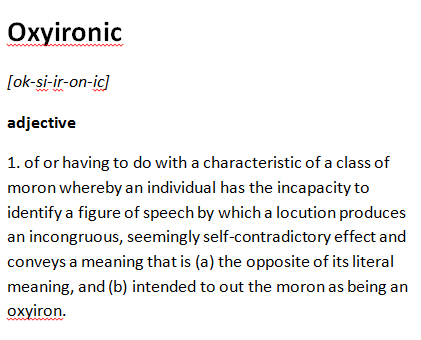
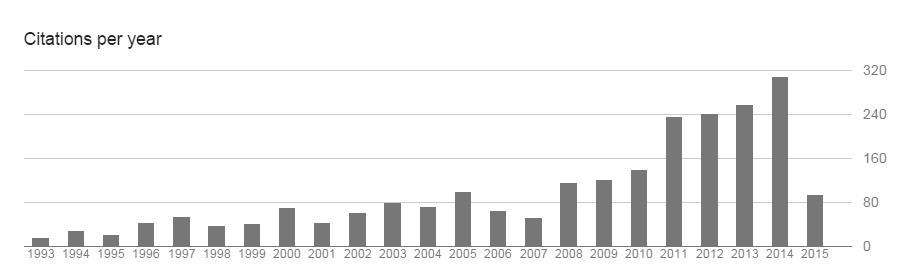
Every now and again I get an alert from Google Scholar to tell me that I have a new citation (which is used to calculate an H-Index).
I just got one and I followed it to Google Scholar.
I haven’t been in there for a while and I was perplexed to note that my year-on-year citations have dropped substantially in 2015. See image below.
Upon further investigation I discovered that this is because I am hardly getting any citations for my 70-odd patent families whereas in years previous I was getting many.
Noting that my patents are spread across at least a dozen entirely unrelated fields of practice, does this mean the rate of patenting has dropped off in 2015?
Maybe a question for a patent attorney to answer…
A charcoal pill for emergency situations down the pub – it turns craft beer into Tooheys New.

Without serious consideration I’ve decided that music is the most untainted form of the arts.
I reckon we all listen to music all the time and we are pretty sure of our opinions as to what is good and what is bad.
In this one art form most people are quite certain that they know more than the experts. Indeed most people have the confidence to declare that the experts are generally fuckwits.
In no other art form is this true.
A boomerang with a built in drone capability.
Throw it and if it ain’t coming back properly (according to the GPS tracker) then it’ll use the onboard drone props to adjust it’s flight and then it might even just hover in front of the thrower when it’s done.

Wisdom is bringing a bit of the future and a bit of the past into the here and now, without letting go of the focus of living in the now.

What Mark Twain actually said;
“Never try to teach a pig to sing. It wastes your time and annoys the pig.”

Due to advances in technology the displacement capacity of car engines has shrunk drastically over the last twenty years.
A two liter engine today can produce more power and torque than a 5 liter V8 of twenty years ago.
Shrinking the engine provides savings in costs, weight, size, emissions and fuel efficiency.
Oddly, over the same period, motor bike engines have got bigger and heavier, on average.
Why?
Well, motor bike engines are on display to the world and the size of the engine is, roughly speaking, inversely proportional to the rider’s penis size.
Technology; the motor bike companies add a little bit of the new stuff but only where it makes their lives easier. With all that capacity they don’t need more power.
I was chatting to one of my mentorees yesterday, a senior partner at an accounting firm that specializes in corporate auditing.
We got around to the case of 7-Eleven and their habit of paying workers a quarter of the minimum wage.
I suggested that this problem could be solved through the tax audit process by just adding an extra tick box on the audit report whereby the directors confirmed that the company has complied with all minimum wage regulations.
This way it’d be a directors criminal and personal liability issue. Problem solved.
To my surprise my tax auditing colleague went left. He proposed that companies should be able to pay workers whatever they want. Old school slavery-derived conservative values.
I countered, nicely, that we need to either properly enforce the rules that we have or remove them. Which?
Mumble. Mumble. He had realized by then that I wasn’t one of them.
These types only truly reveal themselves when they are pissed. At other times just little chinks get through. You have to be alert.

In business in China they hardly admire cleverness at all. They care mostly about being big. The bigger the better. They never had an enlightenment and as a result cleverness is not admired in the same way as it is in the West. It’s cultural.
In the West cleverness is admired in business as well as being big.
So in the West we have some guidelines and rules to protect small and clever companies from the bad behaviour of big companies such as patents, copyright and trademarks. Although these aren’t as useful as they once were, they are still there in principle. Culturally, in business in the West we do admire cleverness.
What came first, the guidelines & rules or the cleverness? My guess is that they co-developed in the enlightenment period and times after. The admiration of cleverness in the West is hard-baked into our systems.
And yet the Chinese, in many business sectors are running over the top of Western companies, both big and small.
So maybe their approach is better. Or maybe not. Is cleverness over-rated?
The latter day emergence of the Chinese has been due to a number of factors:
Today, however, it’s getting interesting. China has realised that it has passed peak technology absorption from the West. That is, it has grabbed well over half of the industry sectors that are readily available to be stolen by the use of excessive free capital.
Their problem is that they need massive growth in their economy for a longer period than they can sustain with stolen technology sectors. This is a guess on my part, but my assertion is that they will run out of economic growth well before they can fix the inequities in their social systems. And this is a big issue because it may lead to political instability in China which is a big issue for the whole world.
The mental thought process of every CEO in China is to become too big to fail. The leaders of China also think the same way, and China of already too big to fail.
A rational solution would be for Chinese companies to pay fair dollars for new platform technologies developed in the West, thereby encouraging investment into small and clever technology companies in the West.
Part of this solution would be some stronger and cheaper patent enforcement in China, not to enhance innovation in China but to enable the high-value sale of technologies from the West to China.
I don’t think there’s much point China attempting to become innovative itself. They will try but it isn’t their solution, of this I am sure. You can’t simultaneously have a culture of ‘big is best’ and be genuinely innovative.

 offshore westerly