Happy most of the time
Doesn’t care what others think of her
Mostly speaks her mind
Dislikes hypocrisy


Happy most of the time
Doesn’t care what others think of her
Mostly speaks her mind
Dislikes hypocrisy
Expressions morph over time. Fascinating stuff.
Stress; it used to be called strain.
Wanker is now leader.
Kentucky Fried Chicken is now KFC.
Gluten intolerant. Was once called unhappy.

Me and Lola at a crossing. The lights are taking forever.
Eventually we just cross against the pedestrian red.
One further traverse later and Lola said “did you hear what they guy said?”
In reference to an office worker drone on his hybrid bike, together with his autistic daughter, that we’d just left behind.
“Nup. What?”
“He said bad example“, in reference to me crossing against the pedestrian red light with my daughter in hand.
What is wrong with these people?

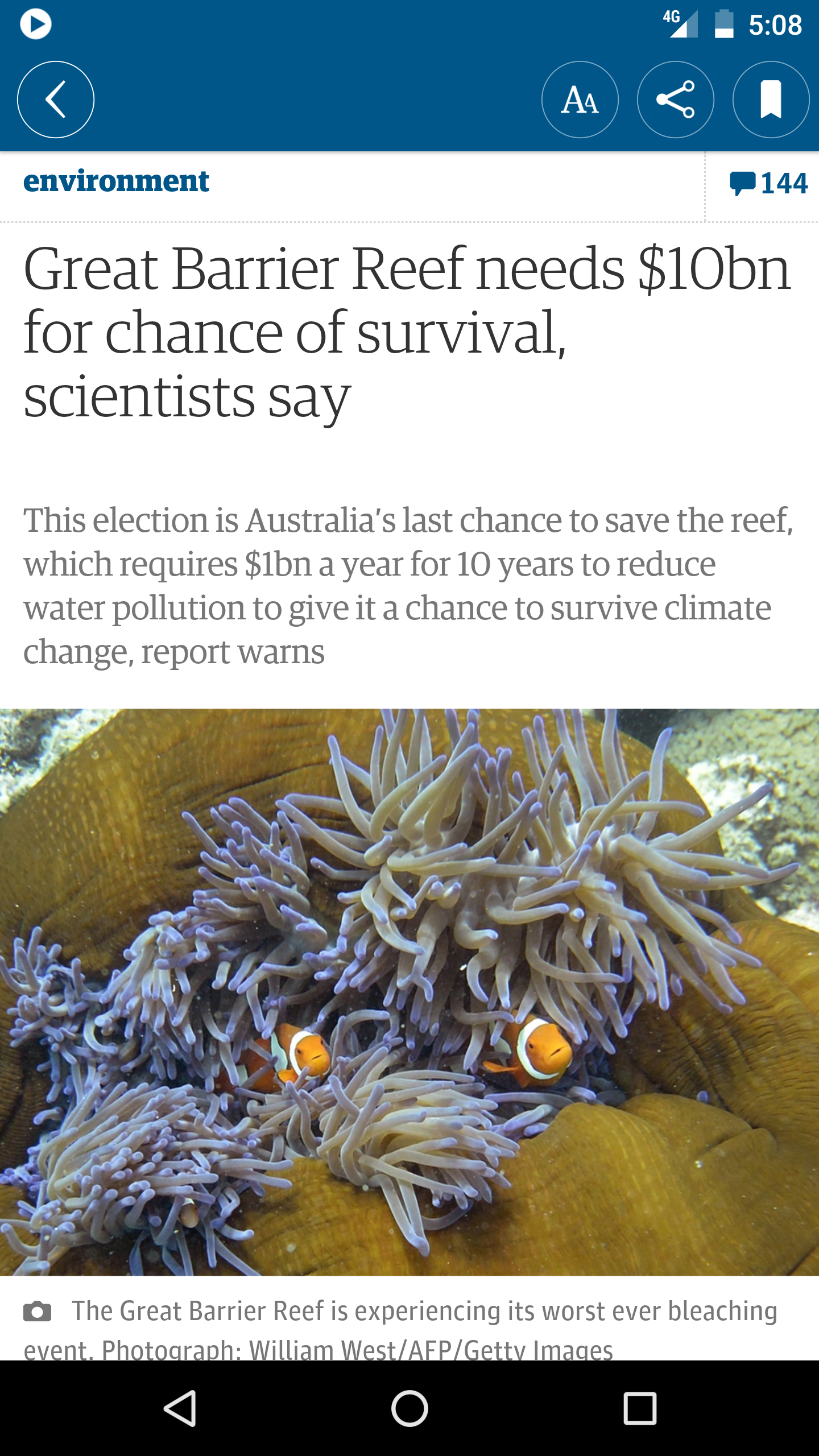
I never knew coral reefs could have bank accounts. Who woulda guessed?
In the old days, scientists were taught to publicly diss everything new that they ever heard or read (in science, that is).
This practice was designed to put pressure on the providers of new data or novel ideas.
Nobody took it too personally because it was part of the fabric of the discipline of science.
As soon as something had passed this collective stress test, it was absorbed into accepted knowledge or wisdom, and the progenitor was rewarded with a gold star in the minds of his or her peers.
This apparent negative response to the new shouldn’t be mistaken for pessimism nor conservatism.
Just the opposite in fact. It was simply the most efficient means to fast-track science in the context of the loose communications channels that they had to work with.
But then, if you took a scientist out of its native environment into, say, business, such methodology was in fact mistaken for pessimism or conservatism, and generally considered anti-social.
Business preferred then, and still does to this day, passive-aggressive playhouse behaviors. Actors to the man, trained in the arts of purposeful hypocrisy.
Today science has, to a large degree, shifted from discovery to invention. Engineering, if you will, without the discipline of an engineer.
The old practice of instant and mandatory critique of the new has largely been lost.
In fact, younger scientists that I meet behave more like business types, but with much less purpose and no driving metric (profit) to catch out the frauds and punish the weak.
But then I guess it just doesn’t matter that much. Most of what they are inventing, we don’t need.

There goes the federal budget!

This article in the Guardian would have us gullibly believe that the Iraqi government temporarily shut down the whole internet in order to stop students cheating in exams.
Bloody funny article, true or otherwise. People simply can’t think, can they? Your call as to whom I refer.

This is how it should be done.

What do opera and test cricket have in common?
They’re both better on the radio.

New archaeological diggings have shown that Shakespeare’s first play-house was square and not round.
Said the man in charge;
“There’s been a lot of scholarly argument about the shape of Tudor theatres, but the evidence is that it made no difference to the performance of the plays, you could ask them [the players] to stand on a chair and they’d just get on and do it.”

The modern day joyless hippy that is addicted to flaky self-improvement workshops is best described by analogy to Twain’s observation of an Australian dude:
“Fellow of 30 with four valises; a slim creature, with teeth which made his mouth look like a neglected churchyard. He had solidified hair—solidified with pomatum; it was all one shell. He smoked the most extraordinary cigarettes—made of some kind of manure, apparently. These and his hair made him smell like the very nation. He had a low-cut vest on, which exposed a deal of frayed and broken and unclean shirtfront. Showy studs, of imitation gold—they had made black disks on the linen. Oversized sleeve buttons of imitation gold, the copper base showing through. Ponderous watch-chain of imitation gold. I judge that he couldn’t tell the time by it, for he asked Smythe what time it was, once. He wore a coat which had been gay when it was young; 5-o’clock-tea-trousers of a light tint, and marvelously soiled; yellow mustache with a dashing upward whirl at the ends; foxy shoes, imitation patent leather. He was a novelty—an imitation dude. He would have been a real one if he could have afforded it. But he was satisfied with himself. You could see it in his expression, and in all his attitudes and movements. He was living in a dude dreamland where all his squalid shams were genuine, and himself a sincerity. It disarmed criticism, it mollified spite, to see him so enjoy his imitation languors, and arts, and airs, and his studied daintinesses of gesture and misbegotten refinements. It was plain to me that he was imagining himself the Prince of Wales, and was doing everything the way he thought the Prince would do it.”

Over a few beers last night, I heard all about Tinder from a couple that had recently met through the app.
Paraphrasing, the vibe is this;
“If you fuck enough frogs then one may miraculously turn into a prince”
I can’t help but feel that there’s a flaw in that logic.
But the conversation did give me an idea for an app called Tender.
Not the loving kind of tender that you don’t find on Tinder, but the looking for someone to fulfill your ‘business needs at the lowest cost’ kind of tender.
The trouble with Tinder is that no money changes hands. It’s effectively a bartering system, as in:
“Your hope of finding a partner, traded for my sexual needs”
We all know bartering doesn’t work! It’s almost as bad as communism…
Back to Tender; what a great way to match business needs with service providers. Swipe away, looking for a match.
The service providers, the ‘men’ in this scenario, the tenderers, would swipe right to everything.
And the predominantly left-swiping ‘women’, the business tenderees, would be very selective and still get screwed.
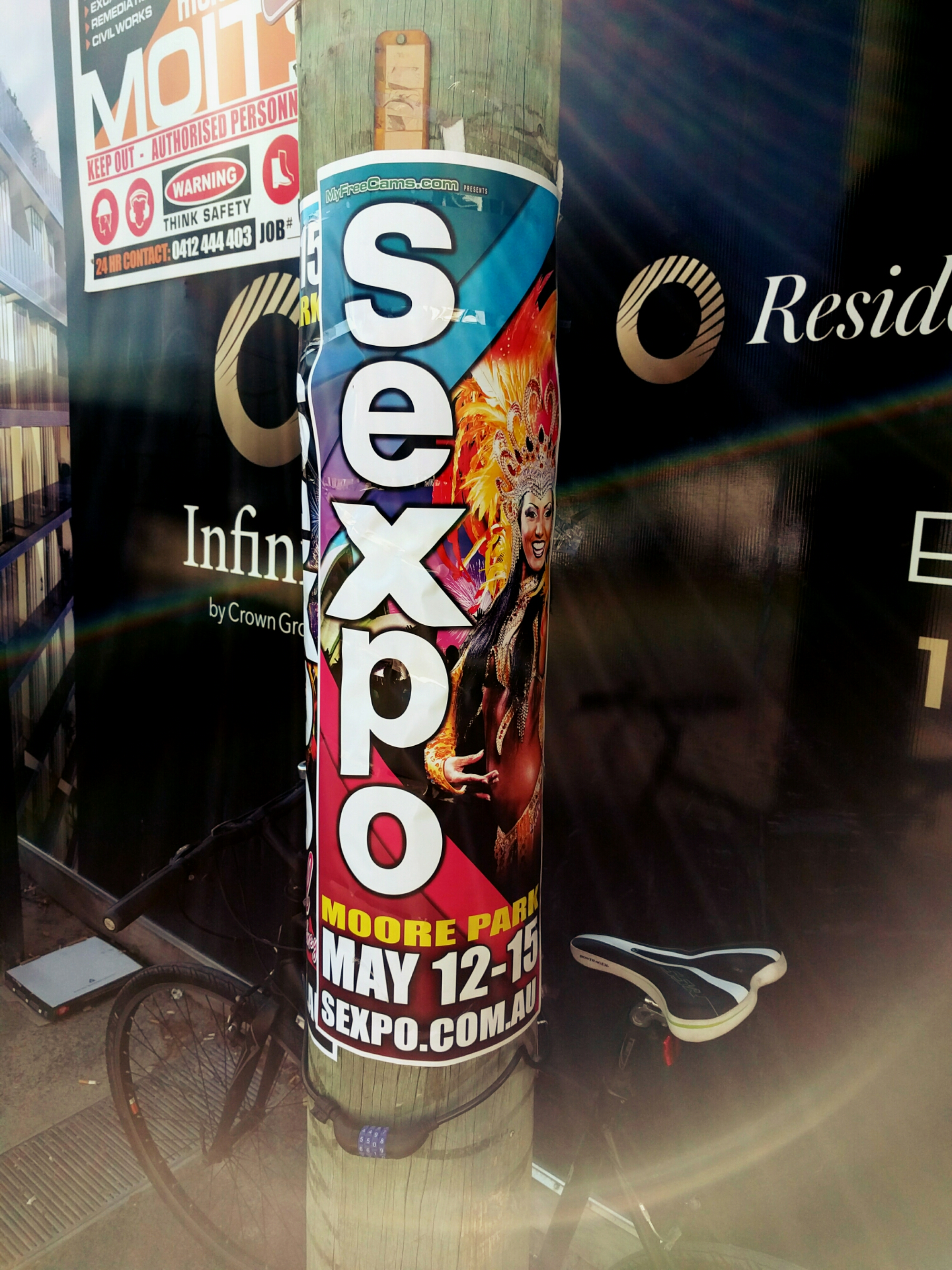
A couple walking along:
“Does my breath smell?”
“Nuh but your arse is huge”

I heard a tale today and it involved bicycles.
This young girl in the country discovered as a teenager that riding her bicycle down a certain hill, hands free, provided certain unique and enjoyable sensations.
So she rode up and down that hill quite a bit.
And then her parents moved the family to a neighboring country town.
She rode all over town, hands free down the hills, but the roads were all paved and it was looking dicey.
Eventually she crashed into the back of a parked car, and then sensibly gave away the crusade.
Fortunately she then discovered the electric toothbrush.
The moment you realize that no one is your enemy, except yourself.

I was thinking about judging and being judged and it occurred to me that my natural inclination is to pull back when I am being judged in the pejorative.
This, because of compassion for both the judgey one and for myself. It’s often best to give everyone a break.
But it’s a two edged sword, this behavior.
Selfishly one could argue that there’s always something to be learned from being judged. Not always, but sometimes.
And for the judgey one there’s something to be learned from someone that ignores a judgement. Very occasionally.
And in a way, pulling back could be just absorbing the judgment and using it to self-judge by the metrics of another. Martyrdom.
Maybe in future I will attempt to appreciate what the judgey one dislikes in me, rather than just ignoring it.
And also, maybe I’ll engage to the degree that I can understand their judgements. What are their assumptions, world views, values, emotions, rationale, and conclusions? A little deconstruction, so to speak.
I’ll never agree with everyone but I may be able to eradicate disagreement within myself.
I have finally figured out why people pay $30k a year to send their kids to school when they can get the same outcomes (as measured by every single study that compares things such as university entry, salaries, etc) for free.
At private schools they get more training in what I call ‘anti-hypocrisy’ skills; they are given mental armor that protects them against dissonance relating to injustices, inequality, unfairness and other such wordy in/un concepts.
Euphemistically, it’s called ‘preparing them for life’.
It makes for a more facile life, with an unfair advantage in terms of grabbing resources for consumption, but with a sting in the tail; living on the shell and not in it.
Hollow.

Self-esteem has always seemed like a daft idea to me. In the sense that it’s the by-product of other things and not something that can be modified on purpose with a focus on the outcome itself.
Self-compassion is a lovely idea for people in turmoil but self-empathy seems a tad more balanced since it catches the upside as well as the downside.
At the end of the day, the root of the problem comes down to self-judgement. Whose values are you using to judge yourself, your own or the perceived values of others?
It’s the hardest trick for us social animals to perfect me-thinks; to be surrounded by judging types (and we all are to one degree or another) and to neither judge them, nor absorb their judgements as metrics by which you might judge yourself, nor even imagine how they are judging you.
I like the idea of one day being totally consistent with my own values, totally free of self-judgement.
Some ways to go!
A start is to appreciate all the differences in oneself, rather than assuming that one aspect of one’s personality or self is the ‘good’ one.
Another very important aspect is understanding; which is the very purpose of this blog diary. That is, the understanding of the world, other people and myself.
I’ll never agree with everyone, but if I can eradicate that very concept of agreement from my own inner dialogue then I’m on the way.
It’s a work in progress and I’m sure by the time I’m done, like all human endeavor, I’ll be obsolete!
This is an email from the CEO Institute announcing that one of the Chairs is retiring.
“Dear all, It is with sadness that I’m writing to advise that Susan is retiring from chairing group 43 effective from June. Susan’s leadership has been outstanding … [la, la, la] …”
A bit of background; the Chairs hardly ever see each other. Maybe once a year at a forum and that is it. They aren’t work colleagues as such.
The replies from some of the other Chairs are listed below … it’s one of those great big carbon copy chain emails that go on for ever.
The question that springs to mind is whether all this sentiment is real or whether, just quietly, they all think it’s tosh but they need to keep up appearances for the sake of club membership?
I can’t participate in the merry go round of carbon copy gush because:
(1) I was brought up to share such thoughts, if I have them, on a one-on-one basis to avoid (a) creating the appearance that I was using them as a currency and (b) since this would be somewhat mendacious, and:
(2) because I don’t have such thoughts. I have absolutely no feelings whatsoever for Susan; I can’t remember ever meeting her.
There is one thing that I have noted in my role as a Chair; I am the only Chair that is strategic in the nature of my chairing. The rest, all of them, are focused on the human side of business.
This works primarily because the majority of the hundreds of Australian business leaders involved are in the services sector or in generic products. They all have roughly fixed market share and no plans for global domination. This is a pretty good reflection of our entire business sector.
Hence the leaders of these businesses are not too concerned with strategy development. All their issues and concerns are related to how they feel on a daily basis, and the hassles of dealing with other people, either employees, customers or vendors.
Thus they gravitate to mentors and consultants that have little advice for their businesses but make them feel better. Any strategic advice they receive is filed away never to be used.
I’m telling you, the leaders of our business sector are soft, cuddly and sensitive teddy bears. They are going to wiped out in a flash if our hidden barriers to incoming trade get properly eroded.
*****************************
“Albeit that I am a relatively new Chair and we have not be able to spend a great deal of time in each others company, I would like to thank you for over 16 years of service to the CEOI. As both a member and now a Chair, I am well aware of what is involved in successfully leading a Syndicate. I wish you well as you move ahead”
“Thank you for this update, and I agree with all your wonderful comments on Susan’s longstanding contribution to The CEO Syndicate. In particular, I would like to add my personal thanks to Susan for her mentorship when I first became a Chairman, and her ongoing support and advice whenever called upon. It has always been invaluable and much appreciated. Susan – I will miss you as part of our Chairman group, however I know we will always remain connected!”
“Susan – I think I first presented to your group some 6 or so years ago and was impressed by your professionalism. Congrats on a stellar CEO Institute career and all the best”
“My thanks to Susan for trusting me with taking on the Chair of her group. A group of members it is so very clear she is very passionate about, determined for each of their individual successes and a real belief in the power of what her Syndicate could bring to all the opportunities and challenges they have had. Susan as others have expressed I will miss you on many levels including your sense of fun and your wonderful witty humour.”
“Oh no! Susan, how I will miss your amazing kindness, intellect and warmth. You have inspired me as Chairman on so many levels.”
“Thank you for your friendship and kindness over the years with the CEO Institute. I wish you all the best in the next stage of your life’s journey.”
“We will all miss Susan enormously and I am sure wish her well in the future. Well done Louise for taking this role.”
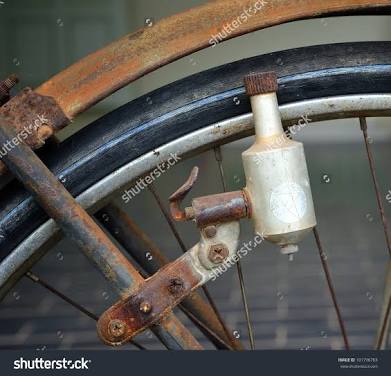
I had a dynamo on my bike as a kid, just like the one in the picture below. These have a little electric motor, driven in reverse by the friction with the tyre in order to generate current.
The negatives were the incredible momentum-slowing friction and the wires all over the bike. Plus the feeble little light it helped generate was velocity dependent; if you stopped moving you stopped being visible.
Today’s dynamos are a tad more efficient, create less friction, and help pump out much more light thanks to high efficiency LEDs.
Some dynamo driven systems even include batteries or capacitors so that there is no velocity dependence.
The negatives?
They are hanging off, or around, or in hub of the wheels because this is the most useful rotating device for generating electricity. Hence wires are still present.
They tend to be bulky and heavy in one form or another. This worries some and not others that ride big ugly hybrids or that live in flat countries.
They usually cost a bomb and are eminently thievable, especially when built into a front wheel hub.
And they simply aren’t as bright as battery driven systems. Plenty of lux but bugger all lumens – that’s the give-away. They are useful for seeing but not for being seen.
All up, it’s a non-starter for me.
LOL … we have now evolved to extend our educational habits.
I always said that those idiots in the biological sciences don’t have the first clue about correlation, causation and statistics.
The truly odd thing about this article is that they say ‘uncovered’ instead of ‘discovered’. Damning with faint praise?

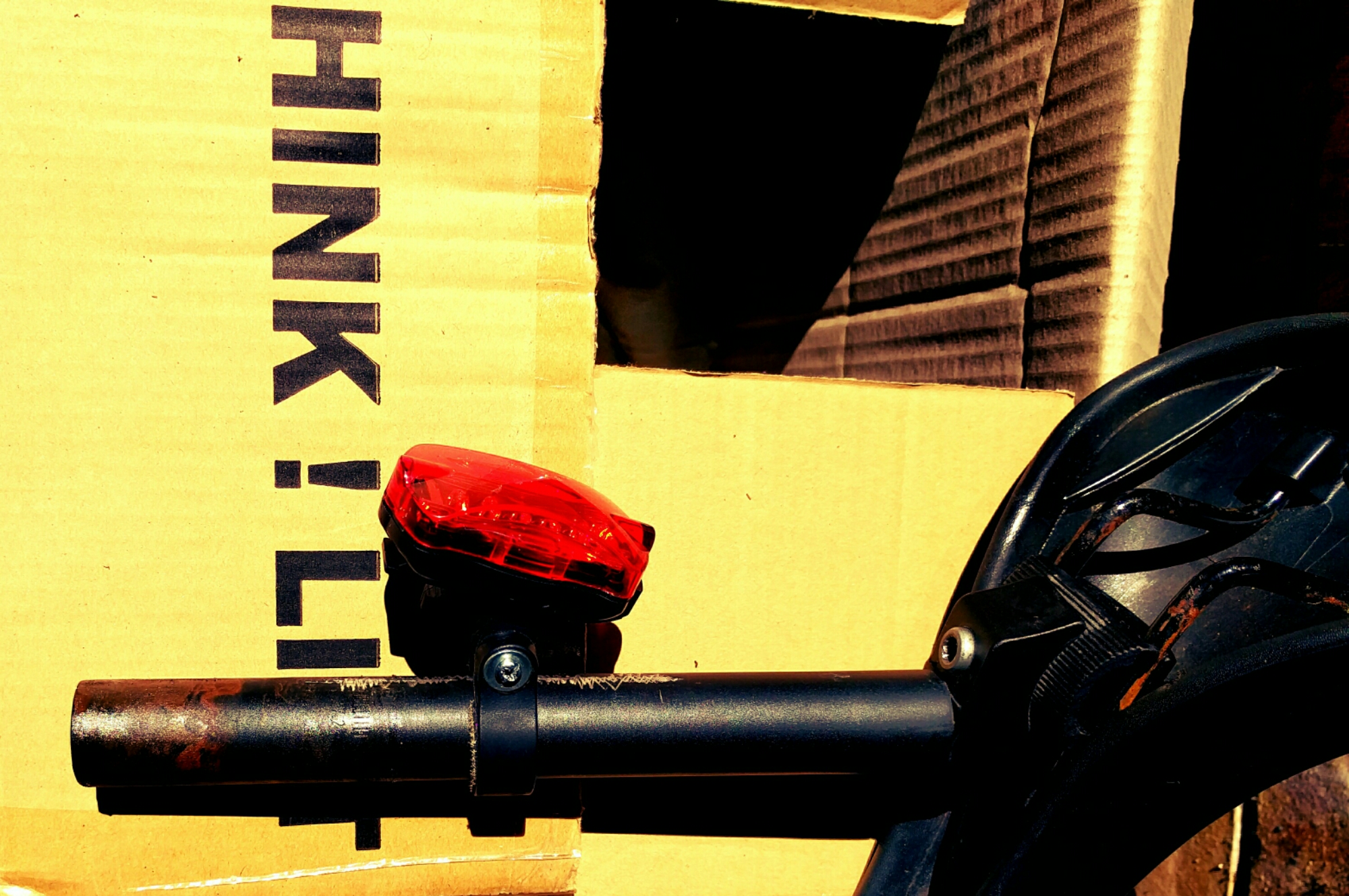
Battery-driven bicycle lights come in three forms;
1. Cheapo ones with limited light output and therefore with limited safety value. The only pro is that they are not worth stealing.
2. Expensive ones with batteries that are also very bright and are the best with respect to times between having to do something, like change the batteries. Which is an expensive process.
3. Expensive ones with rechargeable batteries that are also very bright but have a shorter period between having to do something such as removing the battery and charging it.
Both categories two and three suffer from the threat of theft, of either the whole light or in the case of category three, also the expensive rechargeable battery.
Some batteries have odd screws to help prevent theft, leaving them vulnerable to never being able to be removed without a hacksaw, if the odd screwdriver is lost.
The solution is sort of obvious. A light with a built in combination lock as part of the fixing mechanism. Screws if required for adjustment of the diameter of the fixing element would hidden when affixed or not useful in helping remove the device.
This way, say a rechargeable light could be easily removed for USB charging but very hard to steal. The battery itself could be permanently sealed in the thing, all iPhone like.
It’s one of my better ideas.
While I’m at it, I’d like to see a low battery LED indicator on the lights to prevent the annoying situation of cycling without lights.

In Brisbane yesterday, where it doesn’t cost $423 when you are penalised for shooting though a red light on your pushie, I sneaked through the straight section of T-intersection on a red after thoroughly checking for cars (there were none in sight).
I was on my single speed Brisbane special – see exhibit below.
Lo and behold, this fat fucker on an expensive carbon fiber road bike that had obviously lost his peloton, decided to offer me some free advice:
“You shouldn’t be going through red lights mate”
Nasally accent and all, reminiscent of say a law firm partner or even a Vice President, Health & Safety for Orica. Or near equivalent. The spiritual disaster that I am thinking of has three kids, all in private schools, a 300 square modern home, at least three cars, a wife he hardly speaks to and certainly doesn’t fuck, more debt than can be tolerated, and a complete dearth of anything approximating wisdom.
Long accustomed to the brain warping impact that exertion has on the feebly bodied, I chose to ignore the thing.
And then, 100 meters down the road and apropos of no common sense that I understand, he came at the subject a second time.
“The trouble is you give us all a bad name”
He was behind me and I was surprised he was still there. Must have just about fucked him to catch up. Now that’s motivation!
Really, these people feel so protected by the nanny state that they are essentially fearless.
Actually, I think they are senseless to fear. Just like the Dodos were on Madagascar.
[Segue] This old letter describes catching dodos before they went extinct in 1662; “These animals on our coming up to them stared at us and remained quiet where they stand, not knowing whether they had wings to fly away or legs to run off, and suffering us to approach them as close as we pleased. Amongst these birds were those which in India they call Dod-aersen (being a kind of very big goose); these birds are unable to fly, and instead of wings, they merely have a few small pins, yet they can run very swiftly. We drove them together into one place in such a manner that we could catch them with our hands, and when we held one of them by its leg, and that upon this it made a great noise, the others all on a sudden came running as fast as they could to its assistance, and by which they were caught and made prisoners also.”
What I actually said when I finally decided to tell the dodo to fuck off was this:
“It’s you fuck clusters of fat coloured condoms wobbling along at 10 k’s that give us a bad name, mate”
I wish there was some convention preventing the proffering of non-professional free advice with respect to individual conformance to laws and statutes.
That seems reasonable, doesn’t it?

All statesmanlike and what have you, David Marr says;
“What lies ahead is a gruelling and expensive campaign that will leave Australia much as it was before. Power may shift. Leaders may be humiliated. But neither side is offering what both know is wanted yet politics finds so difficult to deliver in this country: change.”
He’s wrong.
Australians don’t want change. They want free.
Expanding on the theme – there’s a handful of intellectual pygmy wankers that are Marr’s mates that want change for entertainment’s sake. Then there’s the bogan masses that just want to consume more and prefer their entertainment in other forms.
The eternal mystery is why anyone would want to represent this swill? Delusion, ego and greed – that just about sums it up.
Bring on globally warming I say.

Now this is funny.
[Scene] Uber. Failing any obvious presence of mobile simpatico, my chauffeur says he’ll dial up some music on the radio…
What we actually got what was one song and a dribble of hysterical conversation.
Three morons, one female and two blokes, straining to be funny, and failing.
They spent a good ten minutes on the subject of jackhammers and hummingbirds, the latest ‘insight’ from the woman that wrote “eat, pray, love”.
Oddly, in the sound-clip she sounded just like Julia Roberts, but even more annoyingly inane.
A quick precis of her latest work product would have it that 4 billion of the people on this planet are jackhammers. They focus on their passions and hammer away for life.
The other 4 billion hummingbirds flit from concept to concept, trying things out and then moving on. These lightweights do, however, help cross-pollinate the world with whatever the fuck she’s talking about.
The three morons spent five minutes arguing as to which they each were.
I said to the Uber driver that the jackhammery philosopher du jour has over simplified things; people can actually be categorized into three types, not two.
Shocked, he asked me what the third category was.
“Cats, mate. We eat hummingbirds and avoid jackhammers.”

[Scene] Me helping Lola with her art homework. We (she) had to come up with a surrealist homage to Rene Magritte. This is it. Girl by Lola. Background and apple by Dad.

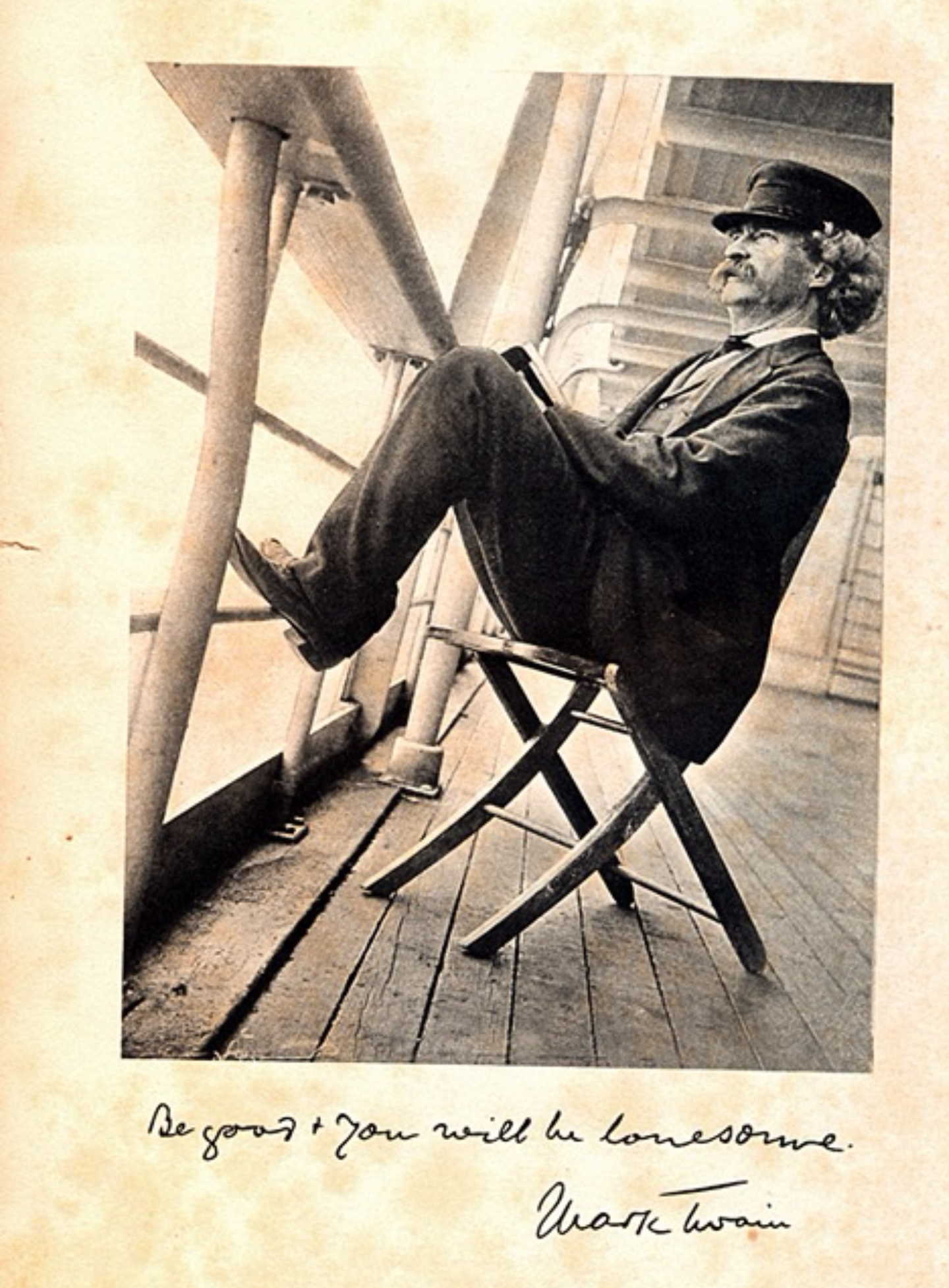
Mark Twain in “Following the Equator”. On the subject of his 19 injurious habits…
“It seemed a valuable medical course, and I recommended it to a lady. She had run down and down and down, and had at last reached a point where medicines no longer had any helpful effect upon her. I said I knew I could put her upon her feet in a week. It brightened her up, it filled her with hope, and she said she would do everything I told her to do. So I said she must stop swearing and drinking, and smoking and eating for four days, and then she would be all right again. And it would have happened just so, I know it; but she said she could not stop swearing, and smoking, and drinking, because she had never done those things. So there it was. She had neglected her habits, and hadn’t any. Now that they would have come good, there were none in stock. She had nothing to fall back on. She was a sinking vessel, with no freight in her to throw overboard and lighten ship withal. Why, even one or two little bad habits could have saved her, but she was just a moral pauper. When she could have acquired them she was dissuaded by her parents, who were ignorant people though reared in the best society, and it was too late to begin now. It seemed such a pity; but there was no help for it. These things ought to be attended to while a person is young; otherwise, when age and disease come, there is nothing effectual to fight them with.”
I do believe that freedom of mind is more important than freedom of the body.
Having said that, I do note that certain forms of slavery of the body do preclude any chance of freedom of the mind.
However, in our modern Western world a person with decent permaculture of the mind isn’t going to be very deterred by the mundaneness of their physical minutiae.
In a very round about way I’m having a shot at the Buddhist types and various other types of spiritual bypassers that, not only believe that there is only the one way to achieve spiritual permaculture, also believe that the true path involves mucho removal from daily physical life.
It’s a furphy, born of times when slavery of the body was almost universal and such that it fucked the mind.
Intermodalism, invented 60 years ago, is a system that is based on the theory that efficiency is vastly improved when the same shipping container, with the same cargo, is transported with minimum interruption via different transport modes from an initial place of receipt to a final delivery point.
In a similar vein, the CBA seems to have latched onto business intermodalism and invented a container cult.
That is, an attempt to appear to recreate successful outcomes by replicating circumstances associated with those outcomes, although both the outcomes and the circumstances don’t actually exist, and also where the container cultists are unaware of this.
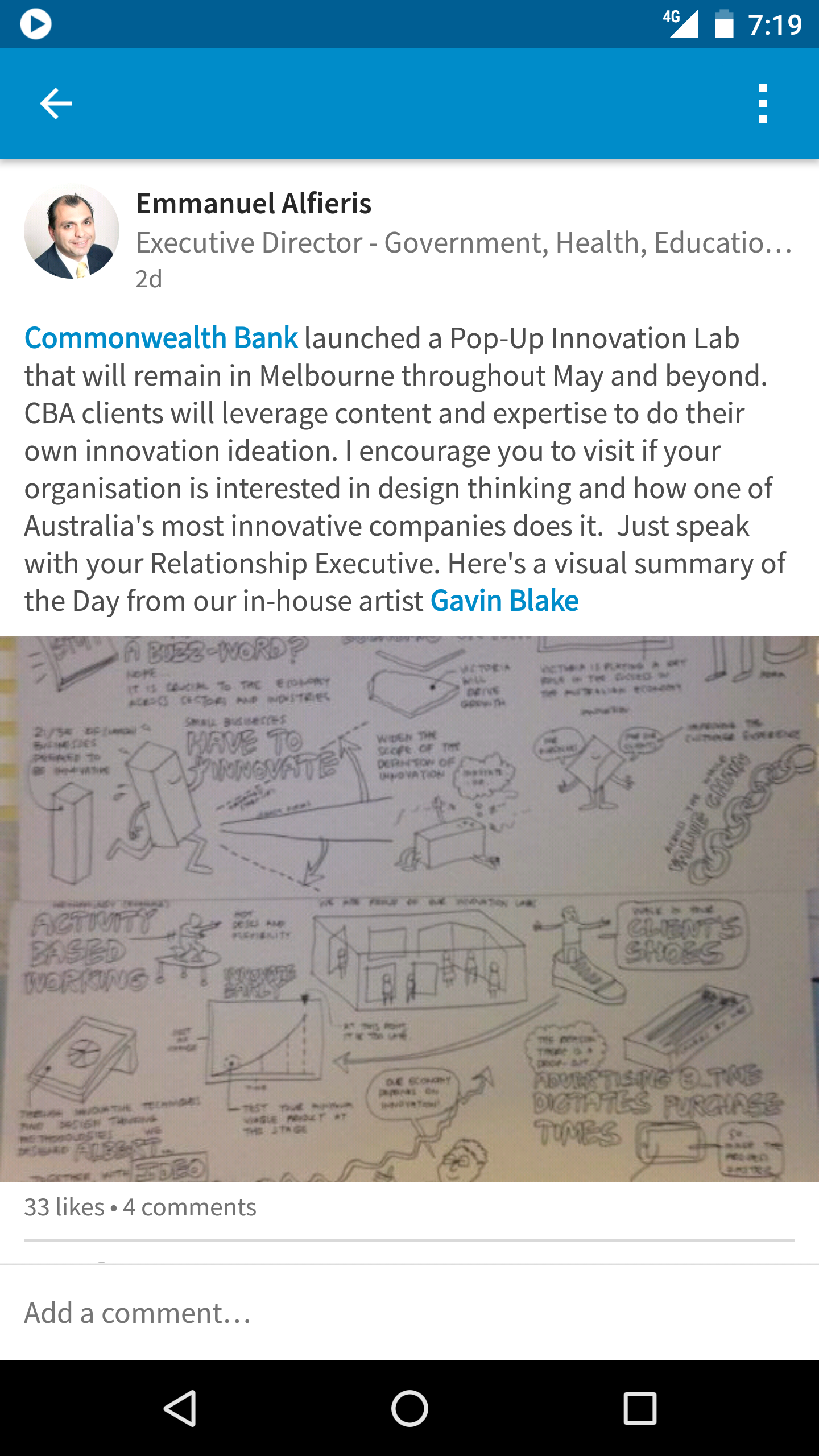
For some odd reason this is disturbing …
In some US fast food outlets, the voice operators at the drive-throughs are in the Philippines.

There’s more than one way to skin a cat.


Ok.
Tonight I had a few drinks with some work colleagues(ish).
After venue number one closed we moved to venue two, one Frankie’s Bar.
Masquerading as a sort of Hamburg tavern circa 1966, with pizza slices and a real live band (sort of).
On the way in security asked:
“How many have you had to drink tonight?”
Initially surprised and sober enough to comprehend the situation…
“Three beers” (plus 7…)
“Where did you drink them?”
“Ryan’s”
I passed the American sobriety test. Fuck America and everything they have wrought on the world.
In Frankie’s you have the appearance of a cavern bar but I kept looking around waiting for the hologram to crinkle.
Beers in plastic mugs. Security everywhere. Shit fake band. Posters on the walls way, too evenly plastered. The world’s most expensive pizza. Gen Y’s smart-phoning their way through a night out.
I am so, so glad I lived through the seventies and eighties before all this shit.
Poor fuckers.
I made up for the whole experience with a ride home on the pushie. I think. I even shouted at Mia’s place in a show of misplaced solidarity.


What’s the word for spending years figuring out something and then not wanting to believe the answer?
Denial!
It’s very easy to ignore an answer supplied by another.
But one that you’ve worked hard on your ownsome can’t be so easily disregarded.
In the case that I’m thinking of, the answer is such that I don’t even want to convince anyone else of the conclusion that I have arrived at.
For a start they won’t believe me.
But worse still, it’s a dead-end dry gulch; there’s no tricky ways to use the information to change the equation.
This insight, unfortunately, leads to either disillusionment or dissonance.
Mine, or that of others.
I prefer not to be the bearer of unwanted news.
In any case, one can’t expect thanks from the pig that suddenly can whistle but finds itself in a vacuum.
For myself I prefer disillusionment because I am not the fool that fools himself, at least on this subject.
Looking for a positive angle, this gives me an opportunity for a restart. A fresh approach with a new focus.
It’ll take time but it can be done.
In fact I already know one answer.
It was given to me a year or so ago by a person a little wiser in such matters.

Note to self; never farm bulls without a cape and a sword.

To quote the lovely other, be very careful of fools and simpletons that promote the bad other.
You just might be a beneficiary of any such adopted conspiracy theory. And also, a fucking idiot.

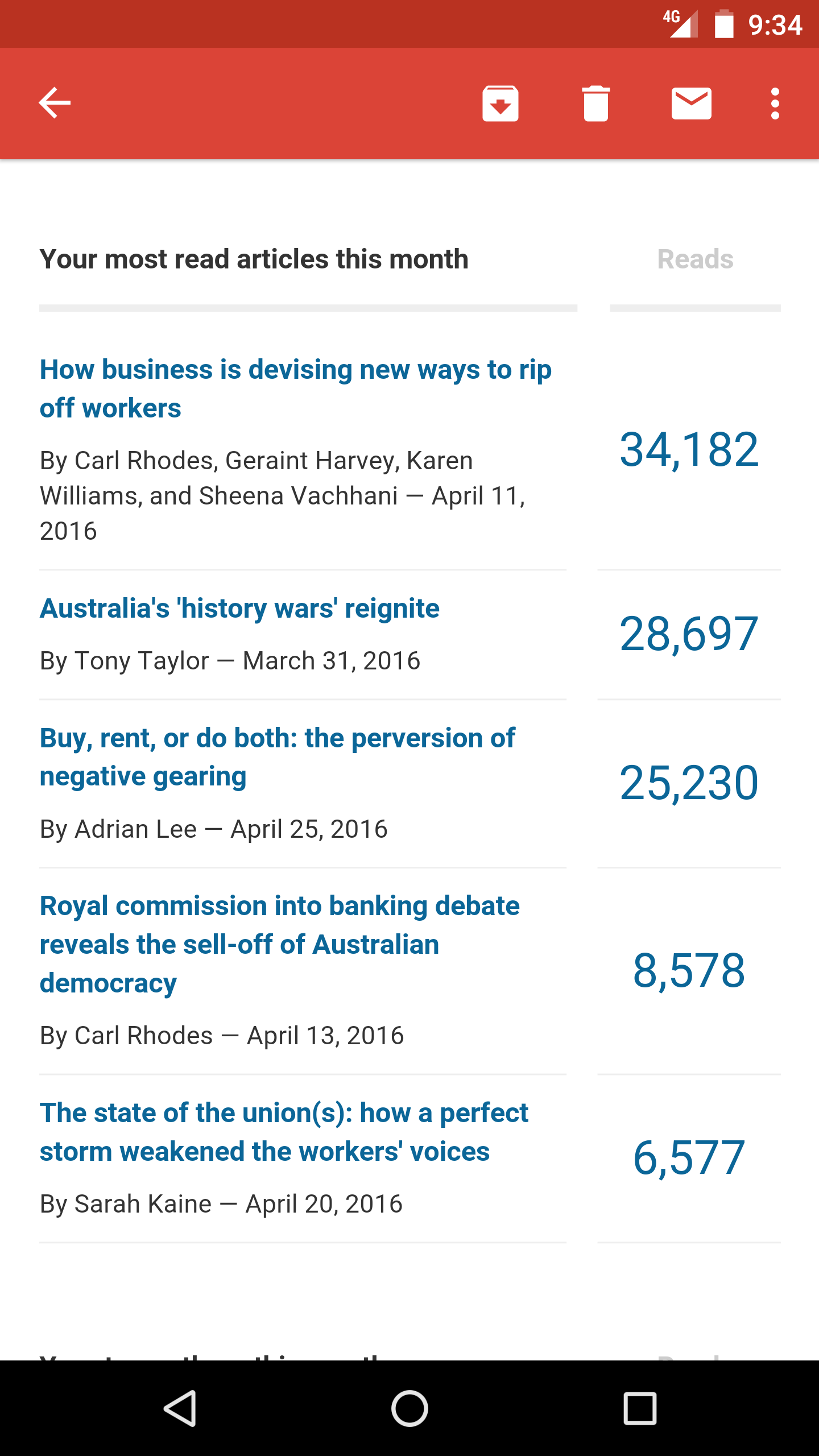
For a set of reasons that are not worth going into, I am sent a monthly update of the readership of articles in The Conversation by authors affiliated with the UTS.
The current top list is exhibited below.
The Conversation is an online popular newspaper with free contributions, but only from qualified academics. It’s readership is skewed towards the educated and the concerned.
This popular list of articles highlights the growing divide between those living off government funded roles (eg academics) and business types.
It’s all just one big whinge about the business sector and its undue influence on everything else, including the political sector.
Over the last two or so decades the business community (and their direct dependants) have realised that they have the money and the power, and have used it.
For what?
To get more money and power of course!
My own personal view is that, in Australia, this is just one big first-world problem.
Even the worst-off have quite easy access to the means to be moderately secure.
What is needed is counseling; if people could just let go of their angst and focus on their own good fortune rather than the avarice of others, they’d be so much better off.
But I can’t help feeling that there is some sort of sublimation going on here.
All of them, both the conspiracy theorists and the conspiracy plotters, are avoiding the issue of the slavery of their own minds, the gluttony of consumption, which they have voluntary bought into.
What better way to do so than to have an in-built enemy?
It’s a new-age post-capitalism class war, disguising the enemy within that can’t be faced.
I don’t expect it to go away so, in future, I am choosing to ignore it.






Before the industrial revolution the most effective unit of work was the human body, and thus was born slavery.
After the industrial revolution had wrought its magic, we humans of the West became more valuable as units of consumption, rather than as units of work.
In this process we have transitioned away from slavery of the body towards slavery of the mind.
Such slavery of the mind is required to keep our desire to consume ahead of our ability to do so.
And the genius of it is that hardly anybody has noticed.
If you actually let them eat cake, they won’t think to revolt.
And even better still, most of us are both slaves and slave-masters; we are our own enemy.
The only way out is to be neither and to lay very, very low.

The concept of juridical personality allows one or more natural persons (universitas personarum) to act as a single human-like entity (the body corporate) for legal purposes.
In many jurisdictions, the concept of artificial personality allows a corporate entity to be considered separately under law from its individual members.
A corporate personality may sue and be sued, enter contracts, incur debt, hire agents and own both property and other corporate entities.
In the US they have gone one step further and made the legal corporate person a citizen of the state.
The whole concept of the corporate person goes back to the middle ages when Pope Innocent IV (ironic that) allowed monasteries to be legal ‘people’ because monks couldn’t own the monasteries due to their vow of poverty.
The Pope went one step further and proposed that because the legal person didn’t have a soul (true that) it therefore couldn’t be punished for an inability to satisfy it’s non-contractual obligations to the community.
The Royal Commission into child abuse needs to take note here.
I would like to point out that this whole concept of the company as a legal person was dreamt up before slavery was abolished.
These days you can’t have people owning another person, soul-inclusive or otherwise.
So me thinks we should change the concept of the body corporate to either:
(A) a dog, because people can still own pets, or
(B) an employee, which can choose not to work for its employers (shareholders) from time to time
But dogs can’t own people either, whereas a company can own a company, so I think I’ll have to plug for option B.
So if we treat shareholders as employers not slave owners, the employee (the company) can at any time choose not to be employed by its shareholders.
Until then, however, it will diligently serve its employer-shareholders’ collective wills.
Under this scheme the relationship between a company and its shareholders would become a tad more bilateral.
The employing shareholders would receive all the proceeds from the business but then pay the company for its efforts in generating them.
This way I can see an angle to help solve corporate tax avoidance.
The corporate entity would simply be taxed as an individual in its country of residence (not incorporation).
If the shareholders, humans or otherwise, withheld or reduced a salary to avoid paying tax then the company would be compelled to look for a new and more generous employer.

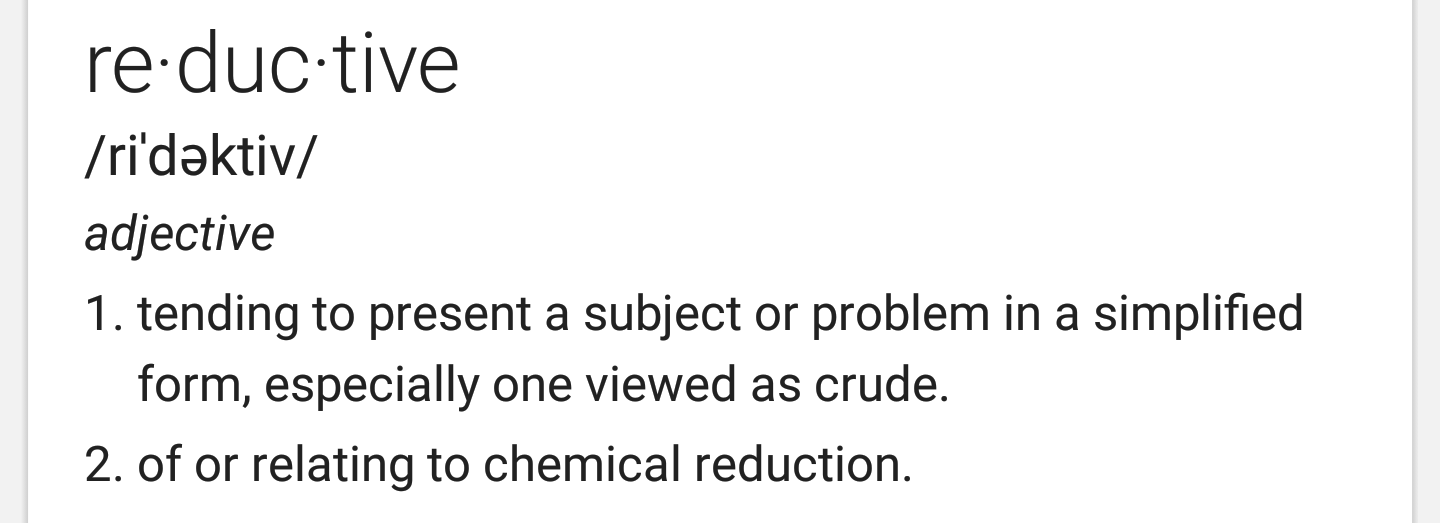

The quality of being discerning, sound in judgment, and farsighted; wisdom.
That’s the fifth S in the mantra of the Thai passport control force.

Guesstimate … fail.
Any rewards based social algorithm seems to struggle.
It sounds like a good idea on paper but there’s something that doesn’t work unless the input is a virtually unknown byproduct of useful use.

“Scientists astonished to find 600-mile long coral reef under the muddy water at the mouth of the Amazon River, in a site already marked for oil exploration … But the reef, no sooner found, is said to be in grave danger.”
At which point I laughed out loud.
They clearly have never heard of that bear in the woods.
I’m in grave danger of being an outcast amongst the chattering classes.

Some bloke called Daniel Petre has had a whine about the whiners – see http://huff.to/1T27evT
There’s nothing more enthralling than a half-baked logical argument that is designed to prop up one’s own un-prop-able position.
In this article the whiner firstly has a whine about the other whiners that are whining that there isn’t enough innovation in Australia.
He seems to have missed the point that the point of the whining about innovation is to in order to receive handouts from the government to help fix the problem of the lack of innovation.
Which is especially ironic since the government itself has whined about the lack of innovation and made innovation a policy priority, but is in fact simply generating a marketing campaign to create the impression that something is being done about the so-called problem.
Back to the primary whiner in this blog entry. He says:
“Back in 2012-2013 there was very little money available for venture capital in Australia. It was due to the general failure of Australian venture funds during the 1990s and 2000s. Hundreds of millions of dollars had been blown up by fund managers who, for the most part, didn’t really know what they were doing.”
Ah yes, very true. But why, matey, do you think they didn’t know what they were doing?
It was because everyone that knew what they were doing had decided that venture capital couldn’t be successful in Australia and chose not to manage funds.
And venture capital can’t be successful in Australia because there isn’t a corporate sector in this country that buys successful start-ups. Without this thermodynamic driving force there is simply no need for start-ups here and the asset class can never be profitable.
Until we get our ASX Top 20 to become exporters of technology solutions rather than importers of technology solutions, nothing will change.
In the meantime, if you have a good start-up idea and you know what you are doing, then you may as well head off to Silicon Valley. But you know that already…
It’s just so much easier to move a few people on a plane in a one-step process than it is moving capital and VC mentoring across the oceans over many years, the company’s products and services back across the oceans, and then also the company itself back across the oceans when it needs to exit.
The bloke also said “Governments, or more specifically government funding, is critical in areas such as research but also in terms of investing where others fear to tread or where we need to establish research infrastructure such as the Quantum Computing investment, Synchrotron or the Square Kilometre Array”
For fuck’s sake, are these people morons? This is the IT century. The last thing we need to do is piss money up against the wall on big twentieth century science projects. Which, I might add, Australia is crap at. We have never once in the history of all our science projects, created and maintained a new corporate sector that has resulted from our government funded science.
Unrelated, my protagonist suggests “we (VC’s) tend to take minority positions in companies (normally between 5 percent and 25 percent) and are part of a broader ecosystem of participants in a company’s success. This means that if we (the fund with, say, 15 percent) make a good return for our investors, then the guys that own the 85 percent also do well.”
Geezus… each round is of VC is between 20-30% of equity shared between 1-3 VC funds. After three or four rounds they collectively should have well over 65% of the equity. It would seem to me that this new lot of VC’s know less than the last era, the ones they are dissing.
On university training – “This is surely not a surprise. The US, UK, Canada and Australia (to name a few) have a STEM skills shortage.”
No we don’t. We have a “T” shortage and more than enough “SEM’s”, thanks very much. STEM is an unholy grouping artificially cobbled together by some self-serving science professors worried about future funding.
In summary, after reading this article, I would suggest that quality of this generation of Australian VC’s has slipped from the last (pre-GFC) era, if this bloke is anything to go by.
Whereas the last lot managed a -7% return on capital over a 35 year period I am guessing this lot will do much better than that.
I am going to predict -65%.

From a Chinese equipment manufacturer … see exhibit below.
They have patents, God bless them, and they are asserting that, as such, counterfeiting is forbidden.
That’s not a term I’d have ever thought of using.
I always thought counterfeiting was the production and sales of fakes, complete with the original trademark, designed to fool the customer that they had bought an original.
That’s not something patents explicitly cover.
Coming from the land of counterfeiters and copycats, said misplaced unjustified threats are hilarious.
However there may be genius at work here…
If they had said “Patented products; copying not allowed”; this could be considered as an unjustified threat. This because many cases of patent enforcement fail for one reason or another so enforcement has to go through the proper channels and be devoid of threats for fear of counter-suit.
However what they said was “Patented products; counterfeiting not allowed”. The two parts of this statement are unconnected. A counterfeit might infringe a patent right but would certainly breach trademark rights. So this statement couldn’t be construed as a unjustified threat per se but might still discourage the uneducated.
An accident or not? I like it.
Clever buggers those Chinese.

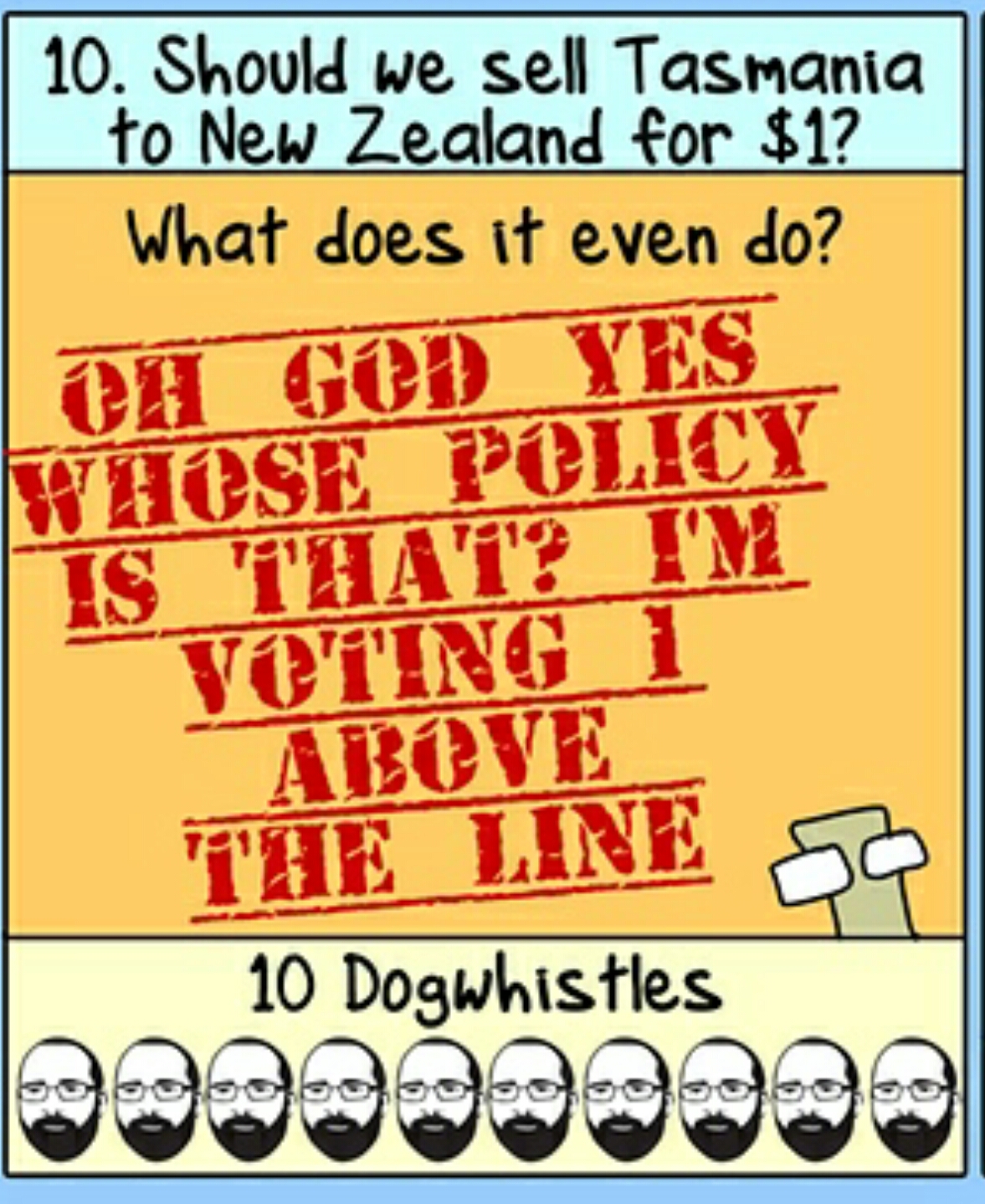
Those that are enraged by perceived hypocrisies are generally those that also desperately need their hypotheses to be believed.
Granted, although nothing can be proven true, some artifacts can be established as false.
But what of it? Short of personal harm or disadvantage, just walk away.
A lost opportunity never really existed, Horatio.
Or so it’s much easier to believe, if you believe so.
Wisdom, I’d say, is hard to believe and even harder to communicate.
It makes for a boring man, short of rage and complete with disbelief for the self-assembled hypotheses that extrude from the scrambled dystopia.
The more that you’re trying to convince somebody that you’re right, the more likely it is that it just doesn’t matter.
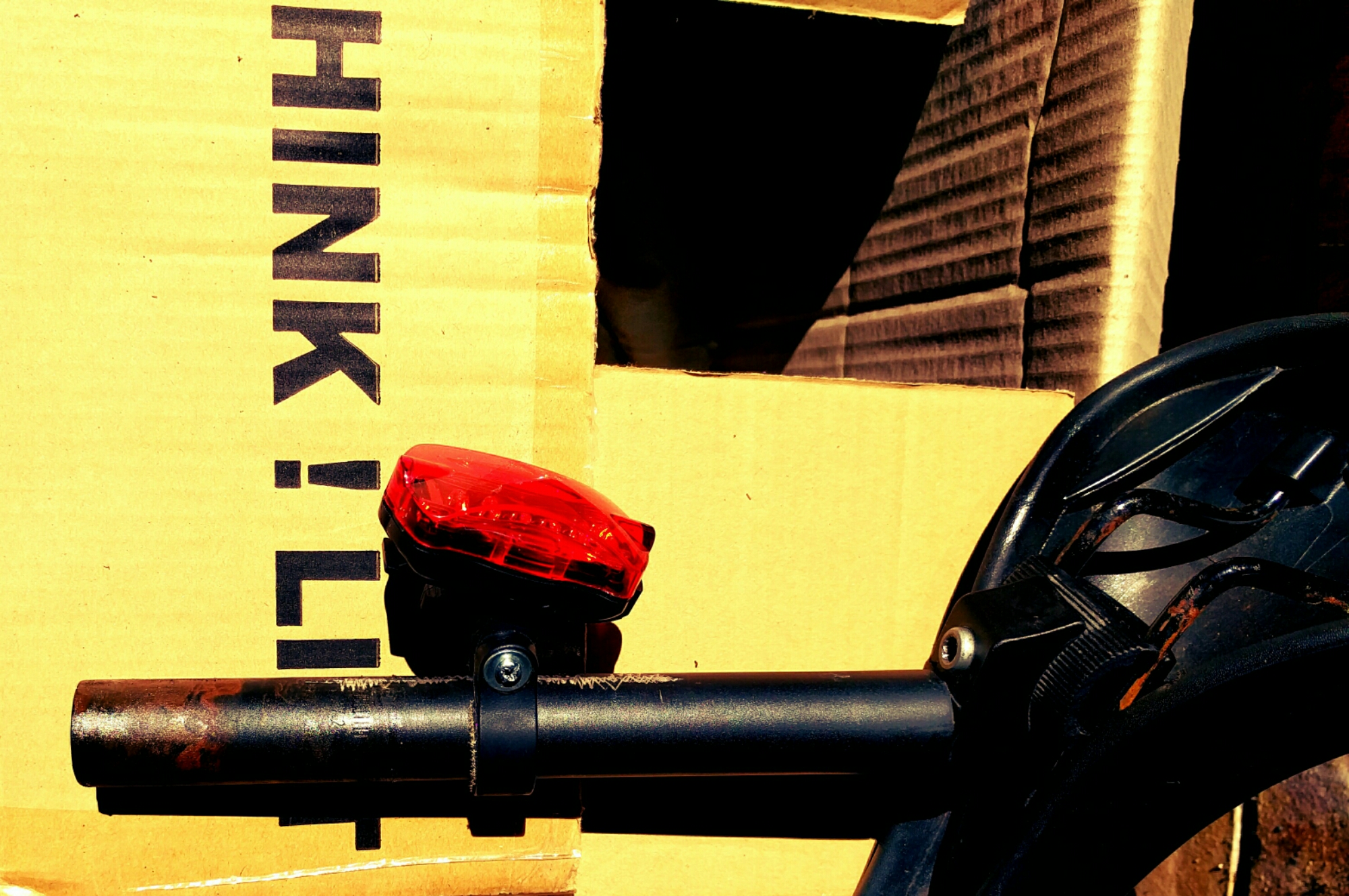
I’m rather inclined to catch up with my favorite blogger the next time I’m in Hong Kong. One day she posts that she clocking off for inexplicable reasons and the next day she’s in top form anyway.


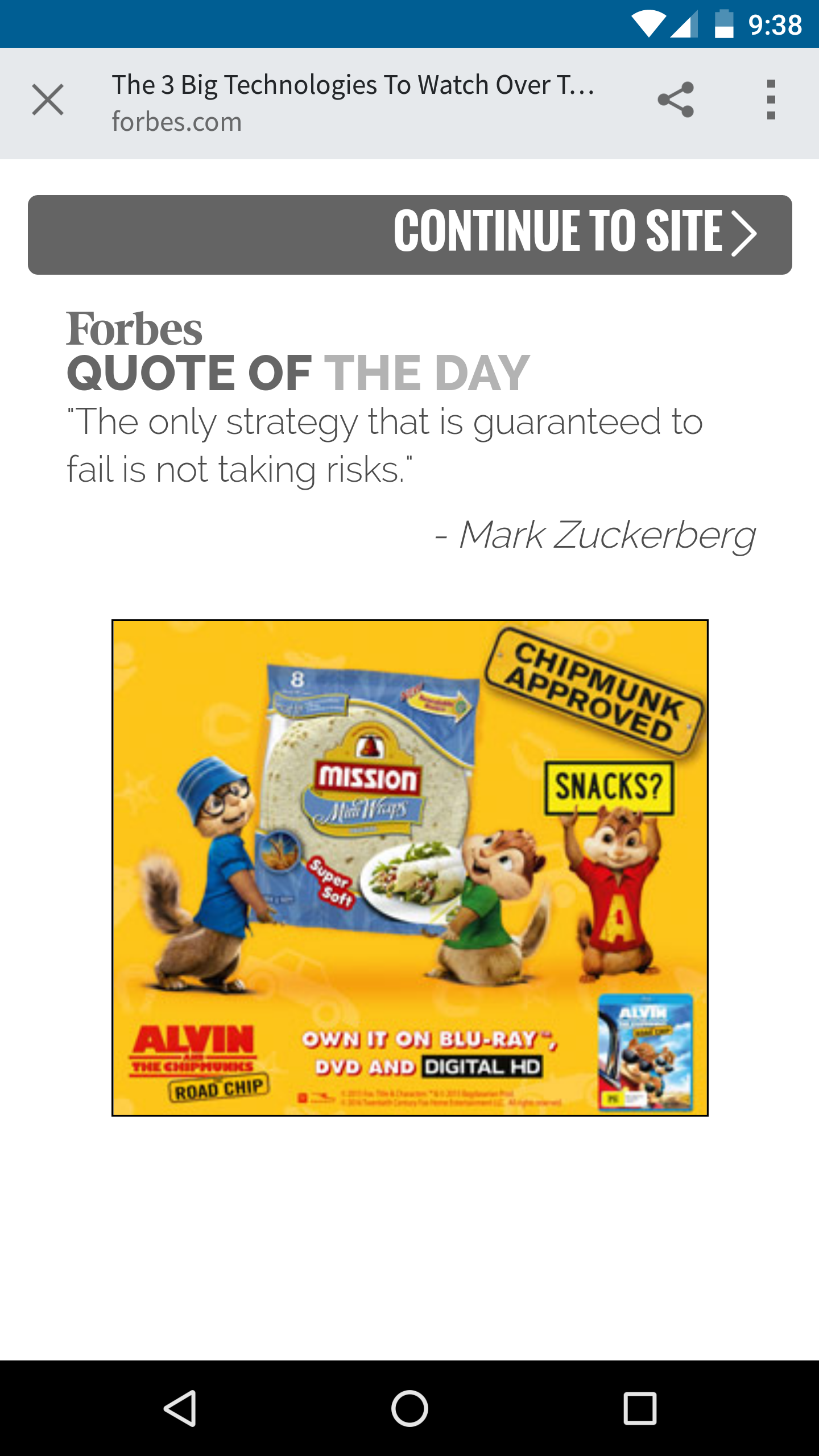
Now the Gen Y’s have decided that taking risks is a strategy.
Myself, I always thought that risks were constraints upon the execution of a tactical plan derived from a strategy.
I suppose Zuckerberg doesn’t believe in condoms either
Gotta love the juxtaposition accidentally added by Forbes, below.
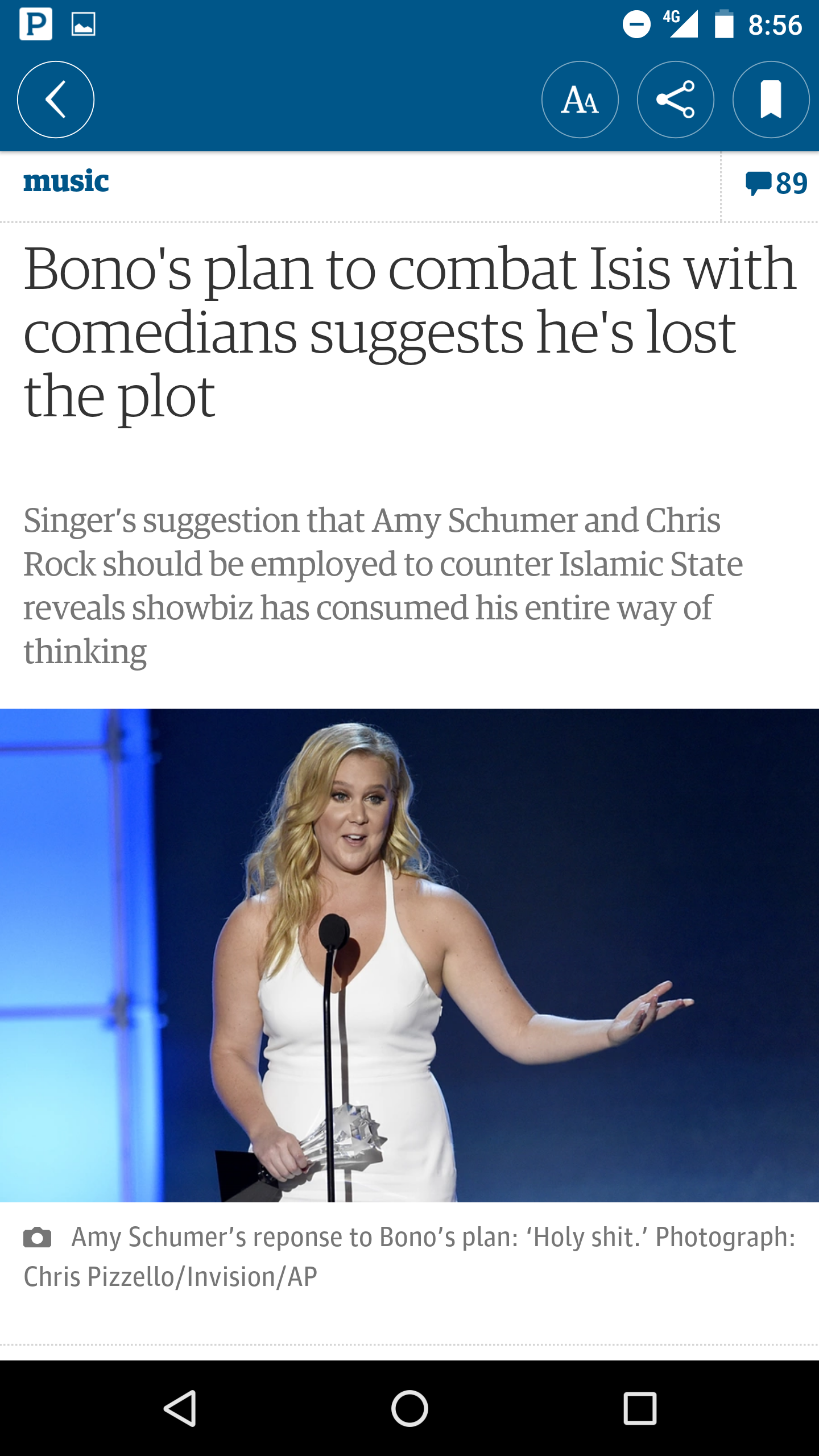
I’d add gerontology, psychophysiology, gullibility, and high functioning anything starting with an A. But not apples or ants.



I don’t believe in data, I observe it.
I don’t believe in my hypotheses, but I use them.
My conclusions all have error bars.
My actions are inaccurate at times.
My instincts are just a convenience.
I recognise that all decisions can be broken down into binary choices and that time waits for no person.
I live with the errors and I don’t really complain to myself.
Not even when somebody complains that I am complaining.
This blog entry is virtual.
You didn’t see it.
You need help.




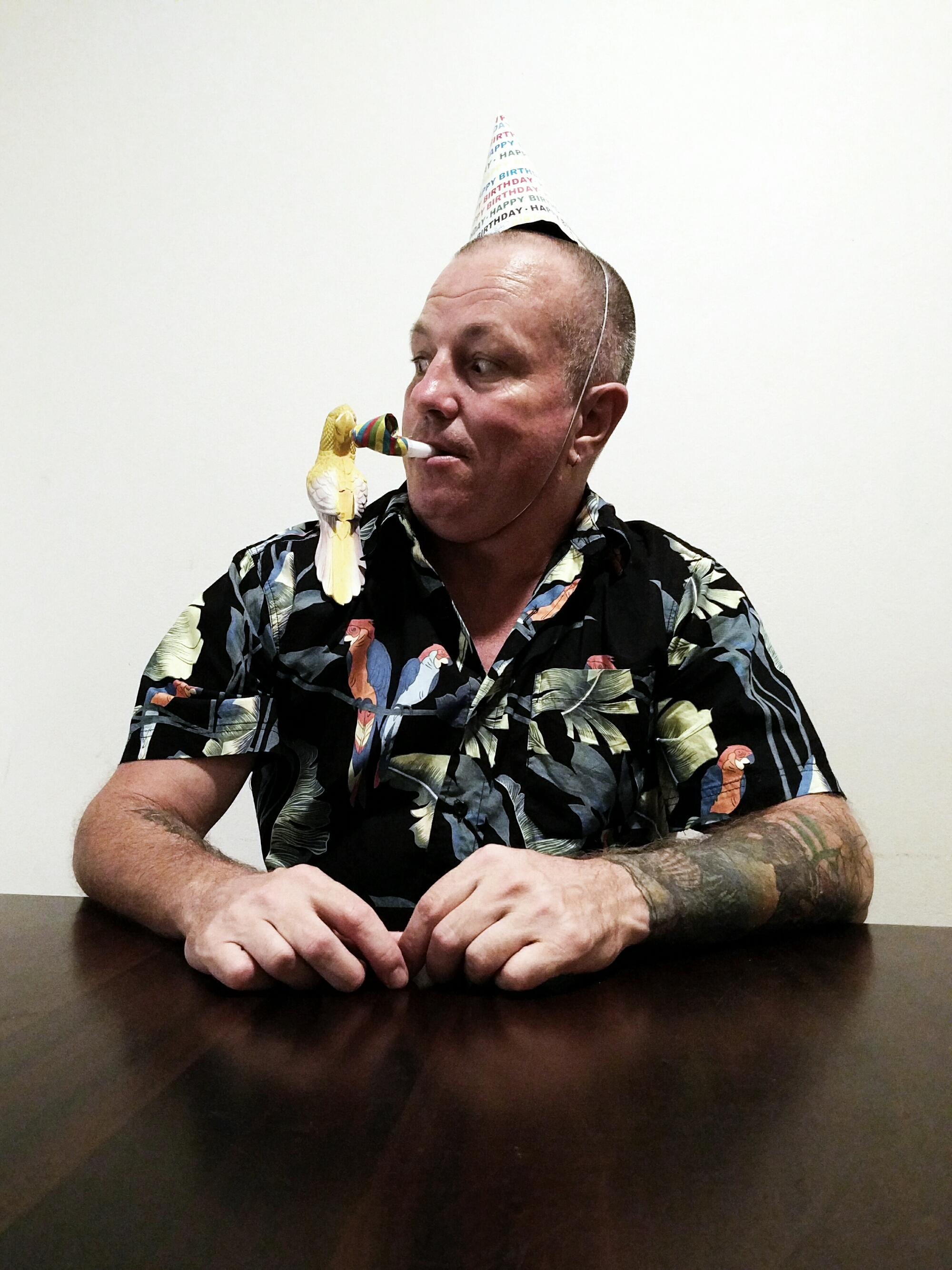
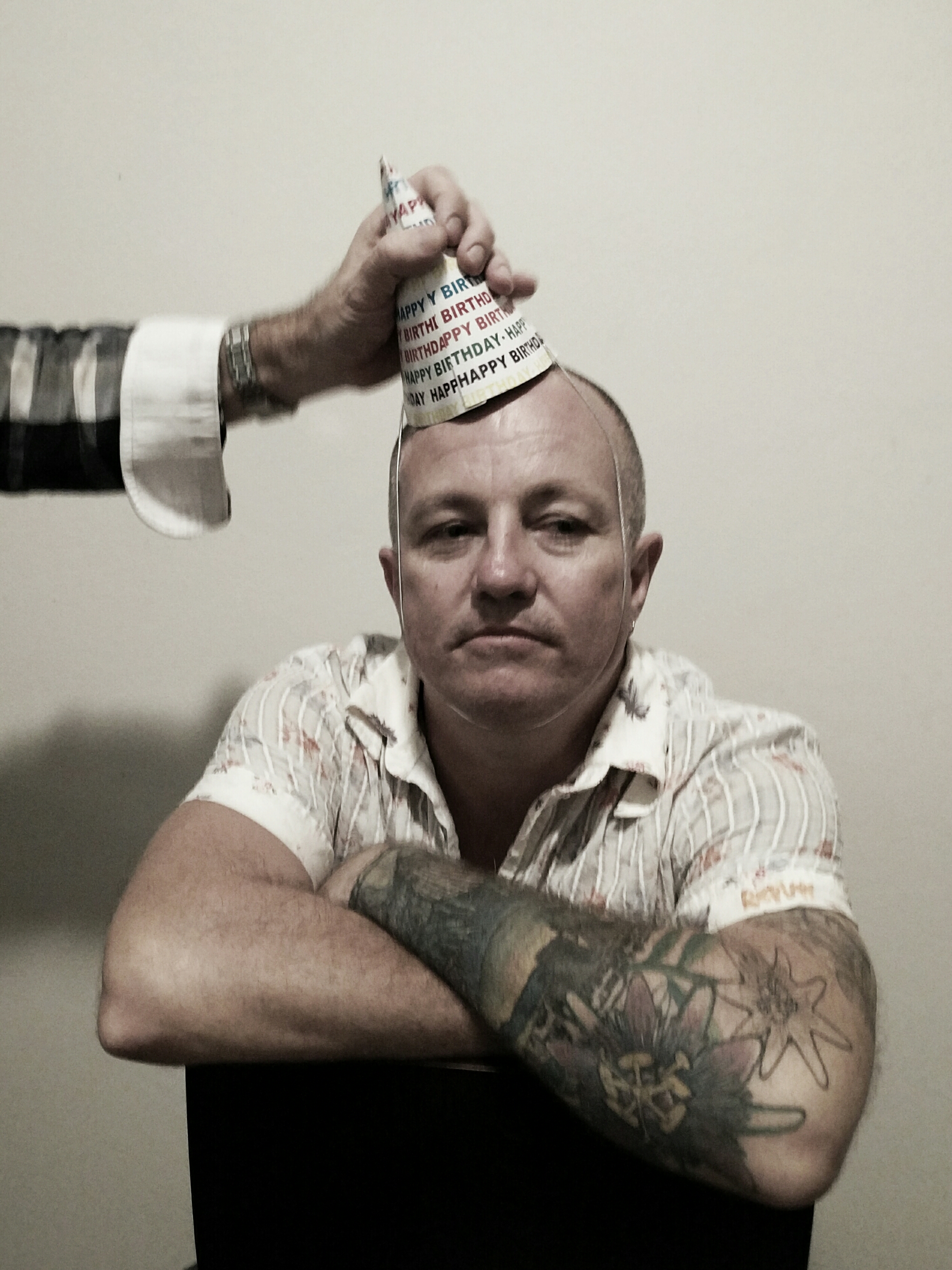
I’m sitting in my local Bondi cafe beavering away on the laptop.
The two Gen Y’s working here are providing great entertainment.
One was telling the other that she watched this great movie last night called ‘Lord of the Rings’.
The other says ‘haven’t heard of it. Is it Disney?’
In reverse, ‘what’s that stuff?’
‘Tartare sauce’.
Ah, to be a goldfish in your mid to late twenties eh?
An obnoxious monied and overweight 50ish local bloke just walked in and asked if they had smoked salmon.
They replied that ‘we have smoked Atlantic trout’.
He ignored that and just repeated his question, this time rudely.
They ignored his rudeness and repeated their incantation on the trout.
Testosterone failed him. He knew he was beaten and went for the trout.

Uber has a new feature which I am sure won’t last too long because this is their crown jewels they are giving away.
In the Uber app if you navigate to ‘help’ and then select ‘account’ and then to ‘I’d like to know my rating’ up it (your rating) pops as per the exhibit below.
My rating is 4.73 stars.
I went through the odious task of counting my trips and discovered that I have made 188 Uber trips since 22/04/2014.
Noting that the ranking comes in single unit increments between 1 and 5 stars, if I assume that my lowest rating was a 4 stars, then 27% of drivers have ranked me a 4 star passenger instead of a 5 star passenger.
A good fraction of those early trips were in cabs because Uber started out their foray into the Sydney market as just another cab app.
And of course, not knowing about the rating system and not feeling too inclined to be either nice or otherwise to the culture of the Sydney cabbie, I may have lost a few stars back then.
But even so, it makes me wonder how drivers rank passengers.
One driver’s dream may be another’s curse.
After 20 inane conversations about your Mazda 3 and the weather, your introverted driver might just be willing to offer a 5 star ranking to the next taciturn passengers.
Whereas your extroverted driver might be offended by the silence from the back seat and proffer a 3 star rating.
The trouble with the Uber rating system is that it’s not symmetrical like AirBnB’s.
In the AirBnB app the ratings matter for both hosts and guests.
In Uber the passengers don’t care too much about the driver’s ratings.
They just want transport. Pronto.
In any case, you’d hope they recalibrate or ignore the hard markers such as Swiss nationals that are driving Ubers.

Patrick Smith is a sports writer for the Australian that not only writes well but has insights beyond sport that are well worth considering.
He is a little like a Melbourne version of Roy Masters and, to be brutally honest, writes a whole lot better than the so-called serious reporters that cover the circus that is Canberra.
Today he pointed out that since the introduction of the salary cap into the AFL that the difference between the successful and unsuccessful clubs had been mostly due to the board and management of the clubs.
He then goes on to substantiate this claim.
Clubs with old-school boards selected from old-school networks suffer from chronic under-performance. Clubs that throw out the Rolodex of mates-past and select their boards based on proven individual and team performances are doing the best.
This is only the case because the salary cap and draft systems have effectively evened out the differences in the players. Before the salary cap the historically wealthiest clubs could buy the better players and this covered up in any deficiencies in the board and management.
It goes without saying, by the way, that a crap board will select third rate management. They do this because (a) they don’t know any better, (b) they select mates and mates of mates, (c) they don’t want to be shown up by management, (d) they are primarily there for the development of their own prestige and wealth, and (e) they want to be able to control management when it suits them.
And it is quite ironic that the only time we can get high-level competition in Australian business (and sport is big business) is when there is (a) a very competitive environment for business, and (b) oligarchies are prevented from forming by there being a large number of competing businesses (above 10 at the minimum), (c) artificial caps on business inputs prevent oligarchies from forming through concentration of market share, and (d) the competitive environment puts job-threatening pressures on under-performing boards.
Compare this to our top ASX listed companies. In each sector each team has only up to 3 competitors and there is no real competition; the teams prefer to reap the benefits of collusion rather than genuine customer-benefitting competition.
It has often been said that the Australian market is too ‘small’ to allow genuine open competition and this argument is used by government after government to do nothing about our oligarchies.
This has slowly led to an environment where much of our excess wealth goes into the black hole that is real estate and, worse still, has created an situation where the cost of being in business is so high that genuine exports are almost extinct apart from resources.
Bringing people in to educate them or for tourism isn’t really an export activity; it’s the temporary importation of people and their play money.
Maybe, just maybe, the salary cap system offers us a way out of this oligarchical paradox as a novel form of antitrust policy. I see it as a more comprehensively considered example of what happened to the Bell telephone company in the US.
For example, the banking system could be broken up into a system which limits the fraction of Australian individuals and companies that a single bank could have as customers, to say to a tenth of the available market.
In a genuinely competitive market this would pretty quickly ‘out’ the low quality boards and management teams.
It would also put pressure on the banks to expand internationally. Efforts by them to do so previously have led to disaster after disaster, which only highlights the point.
They failed because the boards, hand-selected from the private schools of Sydney and Melbourne, simply weren’t up for the job.

I don’t think there’s a word related to the half life of emotional memory.
I’ll try and make one up by the end of the blog, or a near equivalent.
When someone has, say, a very happy or unhappy experience, it can shape their future behaviour in order to seek or avoid that same experience.
What they are doing is channeling the memory of that experience to help guide their actions.
But emotional memories fade; they have a half-life.
So, whilst people always say sociopaths don’t care about other people, another explanation is they are goldfishes when it comes to emotional memories.
Emotogoldfishiopaths?
They don’t lack empathy for others, just themselves.
And that auto-empathy failure might just be down to a crap capacity for emotional memory.
Two new words in one blog but yet not one for the half life of emotional memory …

Malcolm’s clutching at straws … “In this election year, there is only one central issue – whether we complete our transition to the new economy, or whether we allow Labor to kill off that issue … Who do the people trust to steer the course to a secure, prosperous and exciting future?”
And … “we have taken aim at the construction industry, warning that unions threaten the national economy.”
Query; how does a new economy rely on the construction industry? Just asking.
Labor, god bless them, have countered that we need a royal commission into the profit raping efforts of the consortium of four oligarchical banks.
Most punters now sense that unionism is down to below 15% of the workforce these days. It’s pretty much a non-issue except that we lack the balancing force against the bad old ways of the business lobbies.
My personal view – Labor has the best strategy here. No one likes the banks, not one little bit.
It just goes to show that you can’t buy love.

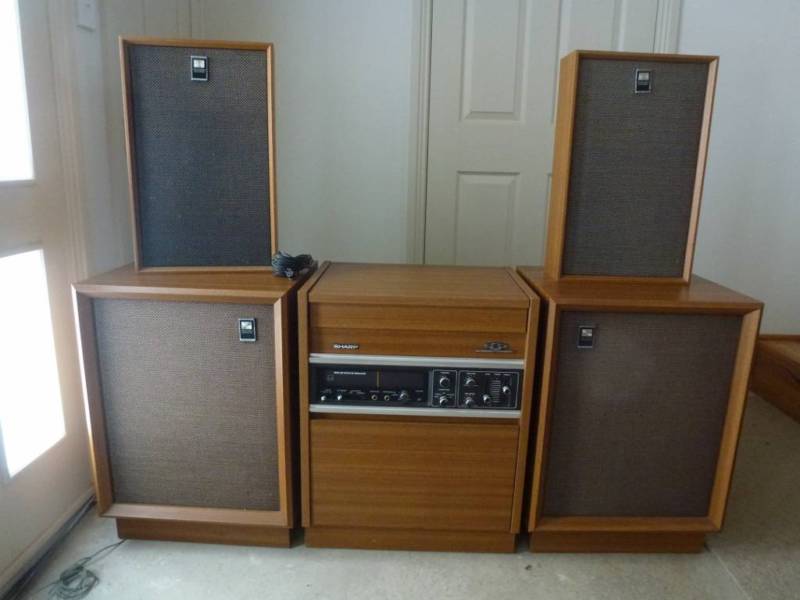
When I was a kid we had this huge Sharp Golden Sound stereo (see exhibit below).
In its day it was considered a good thing.
And it was; you could hear every instrument separately if you chose to.
And I often did.
My parents had dozens and dozens of classical music records and just a handful of more contemporary vinyls.
Amongst the latter were classics such as Credence, Neil Diamond, Simon & Garfunkel, Arlo Guthrie, Peter Paul & Mary, the Woodstock Album and Melanie.
And then one day mum brought home Dylan’s Slow Train Coming.
I must have listened to it a thousand times, at first unwilling and then without awareness.
By which stage I knew every word, but the not the meaning of a single syllable.
And then it stopped being played and then I left for good.
I haven’t heard it since, until the other day.
Sitting in a cafe I heard ‘Gotta Serve Somebody’.
It stopped me doing whatever I was doing.
I listened with a combination of nostalgia and newfound appreciation.
I quickly downloaded the album and have just listened to it properly (for the first time ever) with my very high quality headphones.
And what do you know, Mark Knopfler is on guitar and Tim Drummond on drums.
It’s effectively Bob Dylan fronting Dire Straits when the Dire Strait boys were still session musicians.
No wonder I loved Dire Straits the minute I heard them, some years after I first heard the Dylan album.
This experience me prompted to read the contemporary reviews of the album.
And they are pretty lukewarm based on the view that the album is ‘over-produced’ (unlike the tin can efforts of the folk era) and full of Christian lyrics (Bob was in his born-again period).
Music reviewers must be freaks.
My guess is they simply prefer the earlier Dylan, the anti-establishment poet and everything else he has done pales in comparison.
They have missed the point; Dylan ditched them when they became the establishment.
Of all the big name artists, Dylan has to be the most authentic to himself.
Slow Training Coming is a beautiful bluesy soulful R&B album recorded with some of the best musicians ever known.
The music is wonderful and Dylan could have been singing odes to his cats for all I care.
Even so, his born-again lyrics are wonderfully angry and oddly ambivalent.
He couldn’t help himself.
My favorite track is ‘I believe in you’.
Just that one song makes the album a must have.
Shot on iPhone 6s. And optimised pixel by pixel, with a zillion more added for good measure.

Crowd-funding for trials of chemical castration.
The drug, by the way, blocks the production of testosterone which is an agent in three factors connected with child abuse: high sexual arousal, disturbed self-regulation, and lack of empathy.
Next step, narcissists.

The odd thing is, every single government financial services procurement tender in the country goes to Australian banks. You don’t need to write policies, just well crafted procurement tenders.
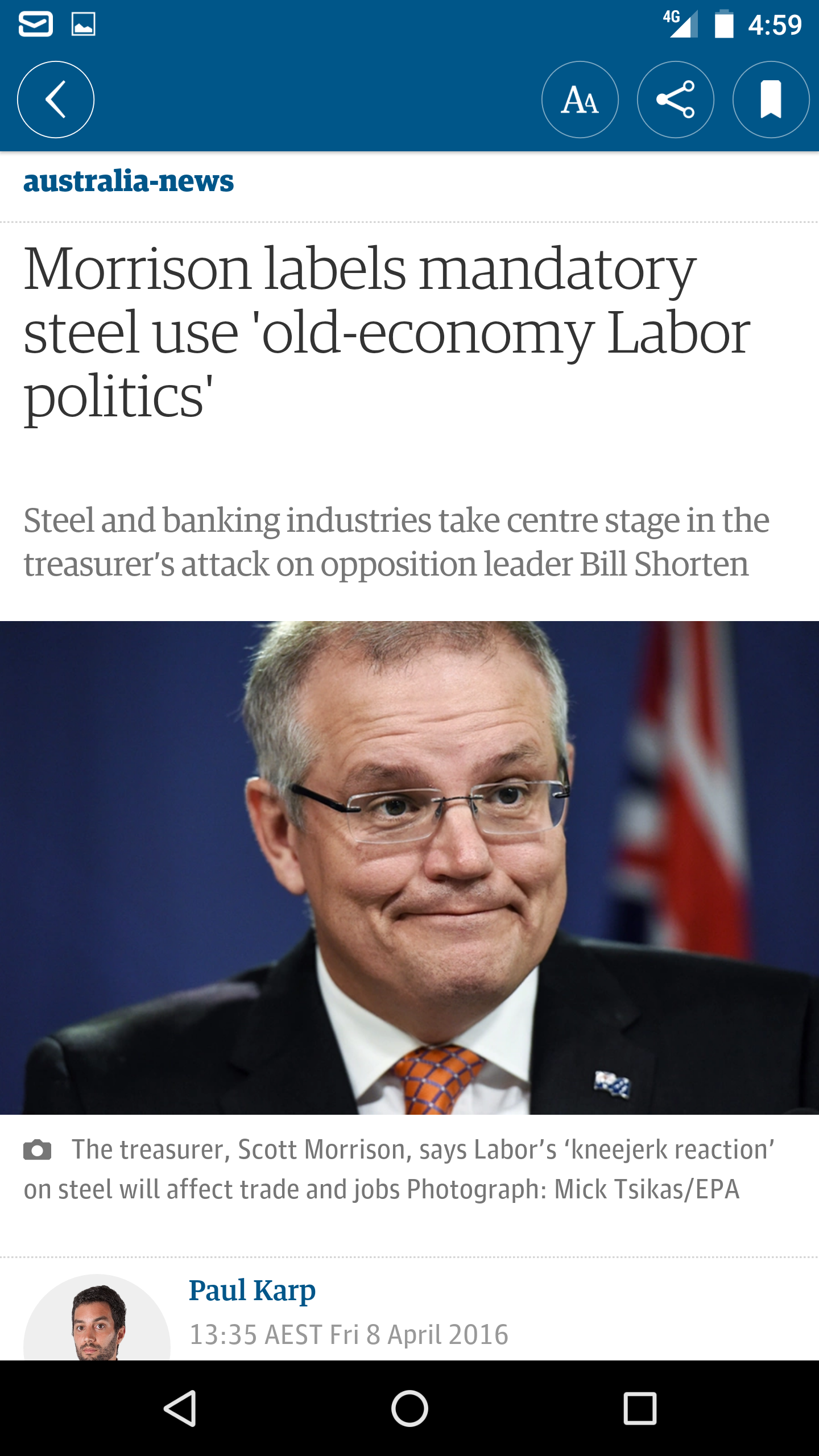
This one made me chuckle.

The ATN is composed of five universities that have been excluded by the group of eight sandstone unis. All very confusing I know, but bear with me.
The ATN have just released their “IP Principles”.
This is an example of the post-enlightenment stupidity that we face in the West.
Let me explain…
The proposed problems that are being solved by the new IP Principles at the ATN universities are:
The problem that they are trying to fix is a lack of commercialisation.
But straight up they misdiagnose the cause.
They think it’s because of barriers and complexities at the universities and also due to a lack of efficient collaboration with industry by universities.
Not so o’ boffins.
Generally speaking the lack of commercial activities at your local uni is due to the fact that:
So, a lack of rational thought processes has led the ATN unis to misdiagnose the causes of the so-called problem. By the way, it’s only a problem because nuisance sections of the media keep calling it one.
The ATN unis have developed some new principles to solve the misdiagnosed problems:
“The ATN universities’ approach to managing intellectual property is based on the following principles:
The best thing about this is that the universities probably won’t do anything about these ‘principles’.
They won’t change any of their by-laws to reflect these principles. They will just use what they have and make the argument, that no one will really listen to, that their current by-laws are consistent with the principles.
That is, the whole thing is an exercise in self-deluded marketing, in the great tradition of all all such exercises in modern Club Australia.
Just as an aside, they should introduce these changes:
This thought ping-ponged between the edges of my skull the other night, so I thought I’d better record it just in case I need it later on.
The Enlightenment saw, for the first time, the rule of reason over all means of making decisions and choosing subject matters to ponder.
As it turns out this has certain benefits over other forms of doing these things.
The proof is that Enlightened Europe managed to colonise much of the world, have massive increases in productivity, have a continuous industrial revolutions, and the like.
Since the Enlightenment only really happened in Europe and those colonies dominated by Europeans (as in Canada, NZ Australia and the USA), the migration of the benefits of the Enlightenment to the rest of the world has been quite interesting.
Mostly, it has been an exercise in cargo-cultism where countries like China have assumed that if they adopt the habits of the Enlightenment then they will be as productive. Not so.
Japan and Korea are interesting in that they sort of half got it. But their ultimate limitation was revealed by their lack of respect for a lack of respect.
The truly interesting thing is that in the West, the rise of Enlightenment followed two paths.
One gave us technology and the continuous industrial revolutions.
The other gave us the rule of law for the general social good of all citizens.
Over the years this latter path just got more and more complex, as all identifiable risks became engineered out of our lives. The Nanny State.
I would say that we have got to the stage now where the rule of law is in the process of killing the rule of reason.
These two have become incompatible since, in order to live in the bizarre and complex nature of the rule of law, your average citizen has had to depress their rational capabilities.
Our systems have responded by educating and rewarding people that fit in well, but produce very little.
That is, to some increasing degree the Western children of the revolution have become cargo-cultists themselves.
The evidence? Well, although productivity continues to increase I can assure you that the rate of increase per person in the West is dropping at a rate of knots.
We are basically relying on an ever-decreasing percentage of monkeys that have the intelligence to refuse to contemplate being chained to a typewriter.
Which is why I give China a fighting chance to compete for the world’s resources while they are still there.
(proof positive below…morons)
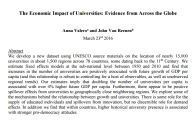
“As it stands, the majority of Sydney clubs prefer a $600 to $700 million refurbishment to turn ANZ Stadium into a 72,000-seat permanent rectangular venue, but the NRL and sports minister Stuart Ayres favour a knock down and rebuild of Allianz Stadium at a cost of $1.2b.”
How about we don’t do either?
Both stadiums are just fine as they are and less than 20 years old.
And besides the NRL earns all its money off TV rights and the sole purpose of a crowd is to make the TV spectacle more appealing.
Surely technology is such that they could artificially fill the stadiums with people for the TV broadcasts?
My guess; this has the usual whiff of a funds transfer from the public purse to private hands
You gotta love their style.
To avoid a debate on the subject, straight out of the gate they are publicly arguing amongst themselves about two options.
Genius tactics!
I decided to photo-merge my good self and the freaking Doppelganger.
One things for sure, this Frankenstein’s PhD wasn’t in IT.

Weisanus is a Polish word that, roughly translated, means ‘shut the fuck up, and get with this program’.

When crowd-sourcing goes wrong. Yes, I want to unsubscribe…

I hate the term ‘Narcissist’ because it carries such a pejorative.
Historically it has been used to describe anyone that is excessively selfish, according to someone else.
More latterly, we have Narcissistic Personality Disorder,which comes with a means to ‘measure’ one’s degree of Narcissism.
We do this because Narcissism is usually considered a problem in relationships with others.
Rather than labelling people, I would find it more useful to label people’s behaviour in certain interactive situations, especially behaviours that cause issues for one party or more.
After all, there ain’t no personality disorders for the lone ranger in the wild.
Even if a person does have a problem with their good self, it usually requires current or temporally displaced interactions with others to egg it on.
All I can gather from the web is that people that are treated unwell in their childhood (for their inherited and situational psychology) can react by learning certain behaviours that allow them to bypass the reliving of the early problem.
These start as habits and then become addictions.
Because these habits can be onerous on others, the practitioner also learns to be furtive about their efforts, mostly subconsciously.
Because, just like about everyone else, they don’t like being lonely.
Other people have a threshold of how much of this style of behaviour they can tolerate, where after they will run, hide, avoid, get angry, and just generally make the problem worse.
Fortunately the distribution of empathetic behaviour in people, the tolerance for being on the receiving end of the so-called Narcissistic behaviours, is quite wide because we all have these traits.
Both of them.

I was born with a lot of empathy but also a well-developed self-centred streak.
Plenty of opportunity for dissonance there.
Reconciling the two has often meant just avoiding issues rather than dealing with them.
Avoiding them upfront, or after the fact. One or the other, and sometimes both.
I still sometimes practice avoidance, but at least now I make sure I am the primary beneficiary of any such tactics.
Now I am also well-practised in the art of doing nothing, waiting.
This is different from avoidance. It’s a tactic to make the other party act first.
I use it when I am not sure of my assumptions, usually due to a lack of data, not a lack of insight.
I learned this approach first in business, but it turns out that it’s a corker much of the time.
The implied issues herein only exist because of those people that are looking for high-functioning empaths to exploit; they have vampire-like noses for the blood of us faeries.
One has to spot them and avoid them.
And if one is unlucky enough to be entangled with one then one has to be practised in the art of doing nothing.
Zenning away one’s empathy is also key.
Look at that, I made a verb out of Zen!

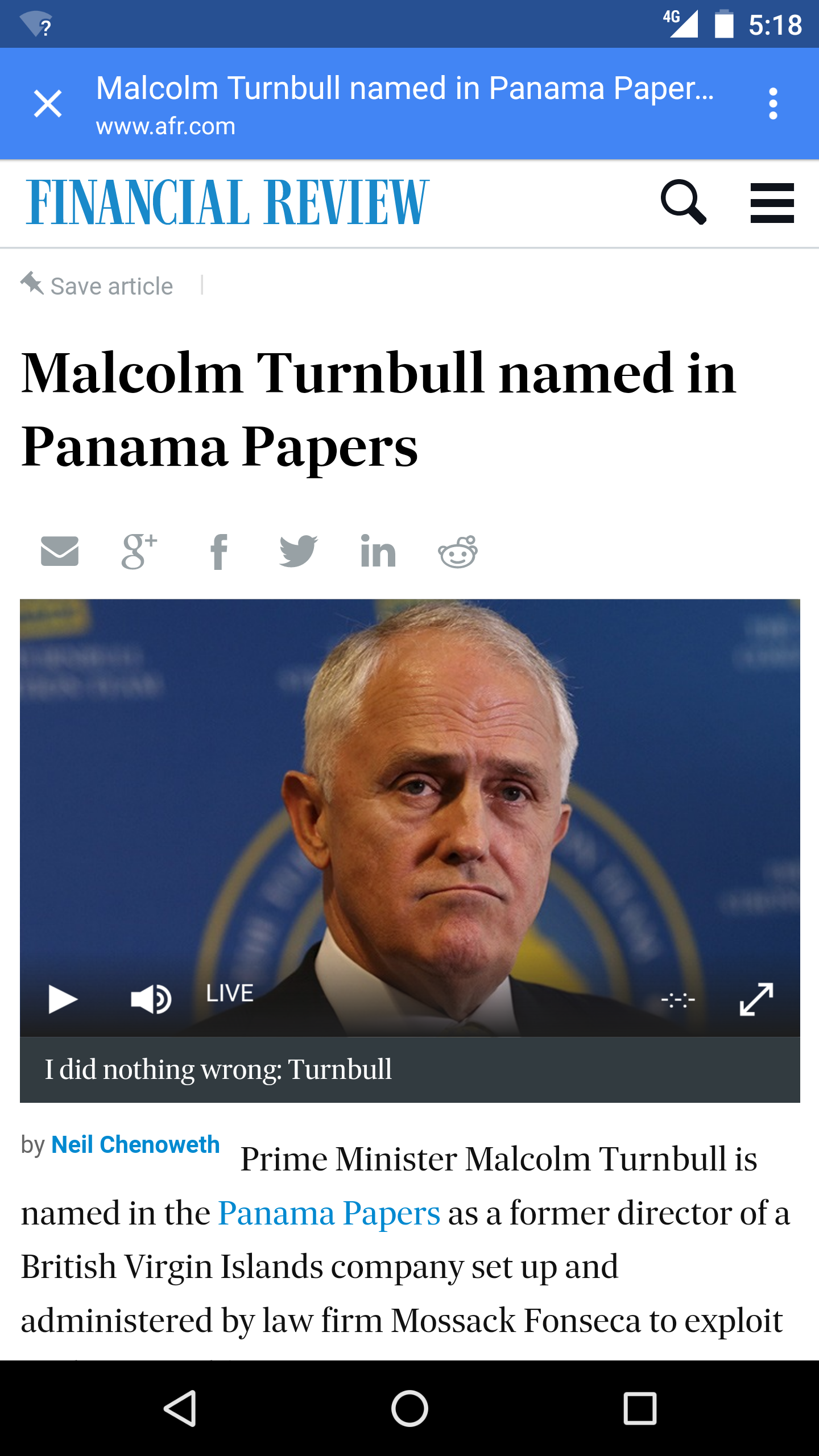
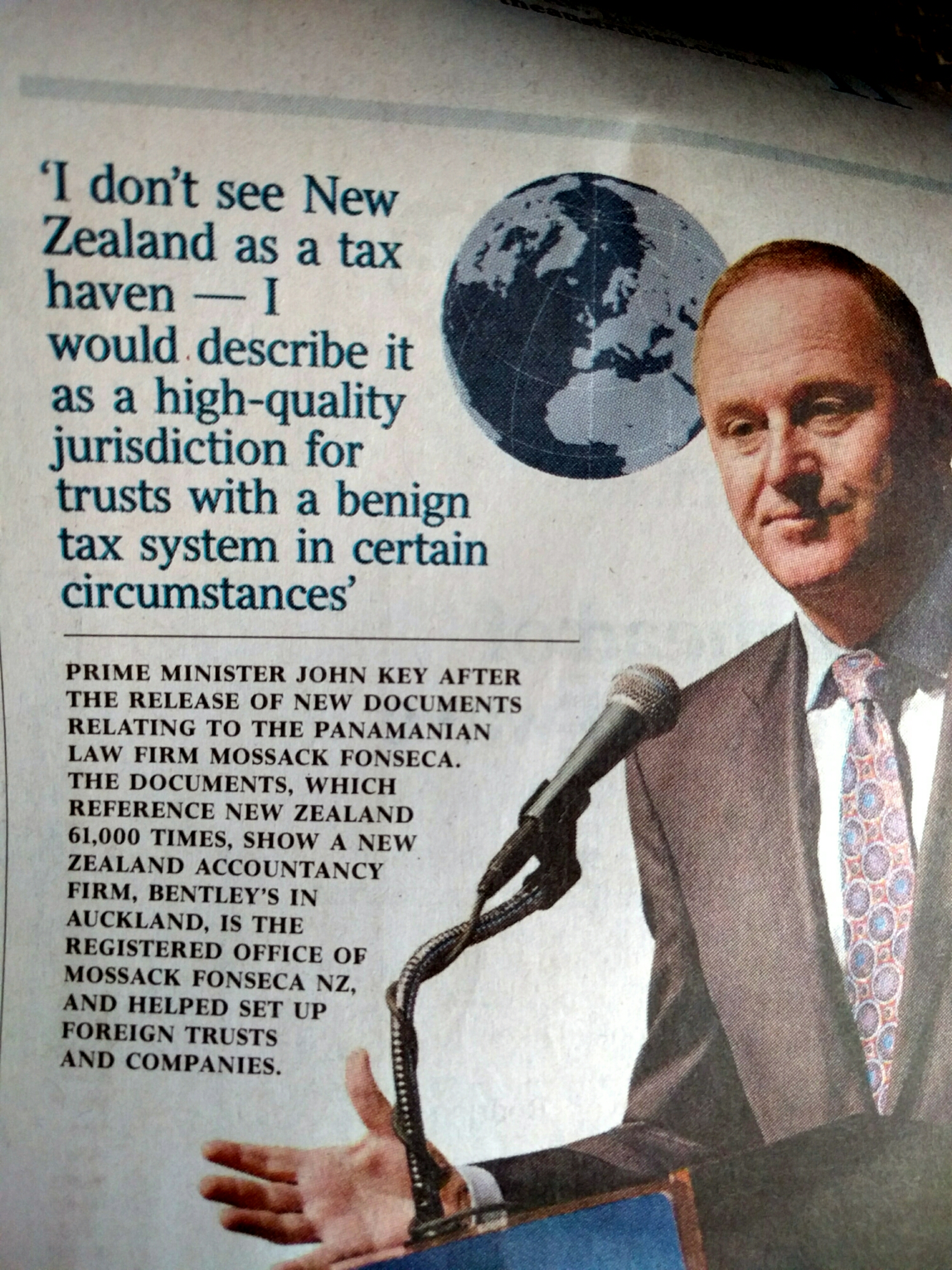
What chance that Malcolm the Second eventually gets mixed up with the Panama leaks?
It’s got to be better than 50:50. I hope it happens; I love a live circus act.
And we could get Tony back simply because he’s not smart enough to earn sufficient money to think about avoiding tax
Honestly though, having met many very wealthy people, you have wonder at the psychology of the breed.
Many of them worry about every cent, to the exclusion of all else. Which is why they try to duck tax.
Most of their personal relationships are defined by their wealth, which is to say the relationships aren’t very real
This then creates a feedback loop where their money becomes even more important than all else because it’s all they’ve got that appears real.
They could of course keep it in operating companies that continue to invest in growth, and thereby avoid tax the honourable way.
But somewhere in their psychology they know they aren’t really that smart and then they turn to hoarding wealth, free of tax obligations.
As it turns out, they aren’t smart enough to go and live in the tax havens permanently.
Nostalgia gets them in the end, if the hollow existence doesn’t.

Trapped in a car on the Hume Highway I had the displeasure of hearing the ABC news today.
Item one was a body found somewhere.
Item two was a suspected child molester found somewhere.
Item three was the unusually hot day.
I never discovered what item four was. It went off.
And this is the national public broadcaster, supposedly the intelligent one.
One shudders to think what the commercial channels peddle.
News to me is global, significant in it’s impact, and insightful.
I would hazard a guess that Australian news has degenerated into a form of titillation that has the effect of making people feel good-ish.
As in, ‘thank Christ it wasn’t me’.
But over the long term it has the opposite effect by making people feel as if they are surrounded by evil.
It’s best to tune out.

The Criminal Law (Criminal Organisations Disruption) Amendment Act 2013 of Queensland contains a range of criminal gang-targeted amendments, including this pearler:
It is illegal for three or more members of a criminal gang (including those listed by regulation) being together in a public place.
And yet, publicly, the politicians call the targeted bikie gangs ‘outlaw bikie gangs’.
They should get with the program, ditch the American Western dialog, and call them ‘illegally associating bikie gangs’.
I’ve always thought that we should pass a similar law banning the public association of politicians, including in Parliament.
That’d fuck the Party.
In the meantime the bikies should sue the politicians for vilification under federal laws because of the misuse of the outlaw tag.
Or in the case of the Outlaws MC, they should sue for misuse of their trademark.

Why do traffic authorities in Australia insist on naming every road side depression that has the capacity to carry water?
On the Hume Highest alone there’s thousands of them and 99.9% of the time they are dry.
And about 90% of them are barely recognisable as being slightly lower in altitude than the surrounding countryside.
It must keep touring Europeans permanently amused.
I’d suggest that the propensity to show drivers the names of these creeks and rivulets is inversely proportional to their likelihood of being wet.
Is this a humorous attempt to keep drivers alert or just another example of keeping the economy ticking over, as in large contracts to someone’s mate’s roadsign manufacturing business?

I would suggest that most patent valuations using any of the 29 known methodologies are usually very wrong and that patents are usually over-valued by a fair margin.
However there are those rare occasions where patents are actually worth significantly more than the cost of development; this hope keeps everyone in the game just like the poor fishermen down at the local creek living off the memory of the 9 kg flathead that Barry caught in 1972.
If this is the case why isn’t here a market correction I hear you ask? Why doesn’t anyone care? And the answer is because everyone is a victim of the same confidence game and hence there is no competitive disadvantage from wearing over-inflated patenting costs and valuations, with negative long term ROI’s.
Even for the odd patent portfolio that has had a positive ROI, where the inventors and executives had trained and knew everything they could possibly know in order to monetise the patents, their successes relied on a large element of luck.
Therefore trying to make money out of patents is gambling. The longer one plays at it, the more one regresses to the negative mean, no matter how well skilled one is.
The only person that ever made money out of gambling was the lucky first timer that walked into a casino, made a killing, and walked away with their winnings never to return. Also known as a unicorn.
So if one wanted to elucidate the psychology of inventors and individuals in companies that want to invest in patents one would be well placed to start with the psychology of gamblers.
And if one wanted to exploit this knowledge one would be well placed to use the sales and marketing techniques of the gambling industry.
Oh, and by the way, I mean this to apply all players in the patent space, from corporates all the way through to nutty inventors.

Father, stag and sage; the goal is to achieve all three.
I just got accused of ‘speaking like a true academic’. It was meant as a criticism.
My adversary seems not to grasp that hanging onto all the modes of wisdom that one has learned is more effective than dropping one when another is learned.
In this case the supposed preferred outcome would be to drop all vestiges of academic intellectualism in favor of random spiritualism.
People sometimes amaze me at the sheer stupid simplicity of their unquestioned assumptions.


Gravity can be defied it seems.
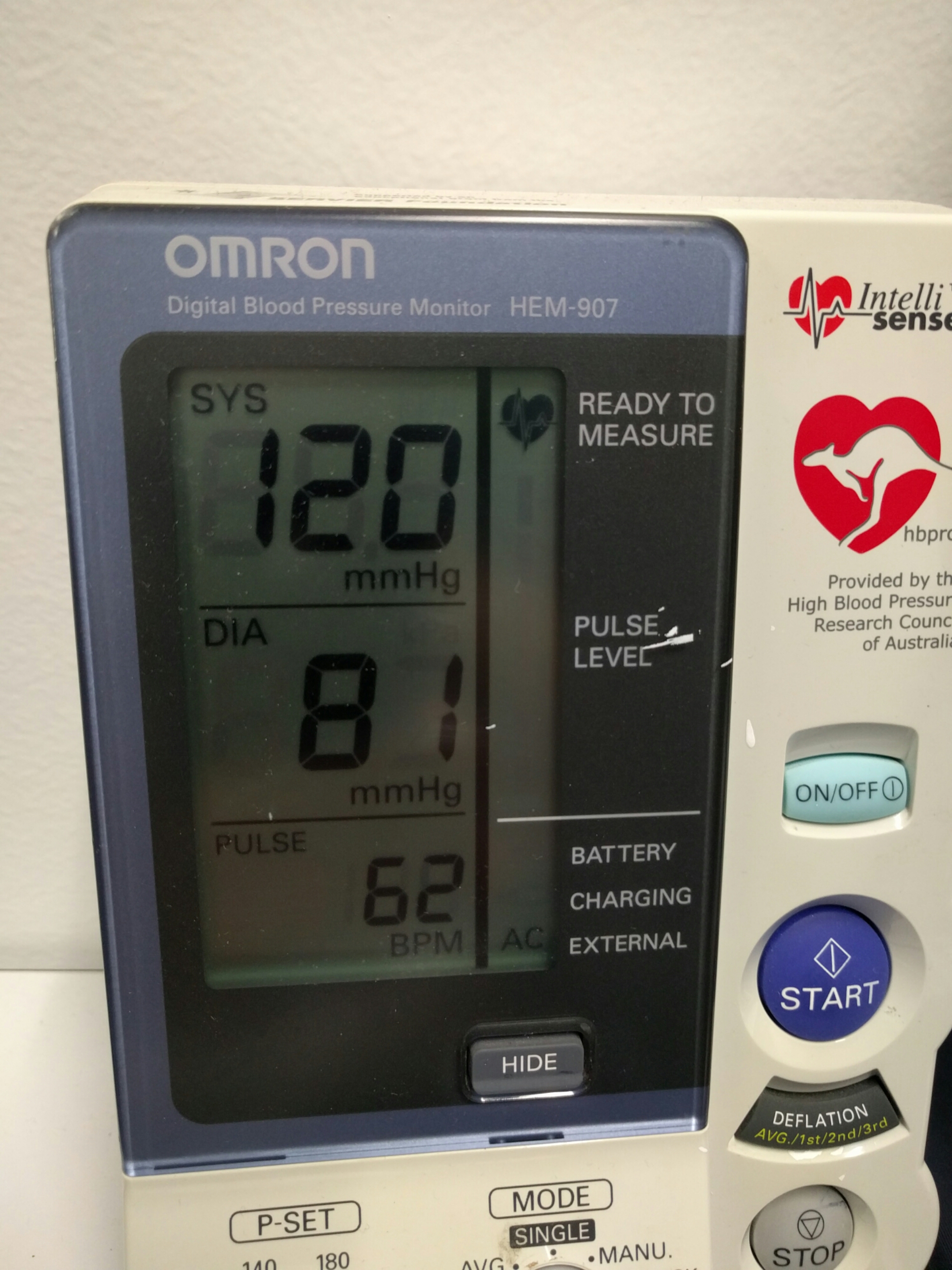
Another of my many dodgy ideas had already been done…
It just goes to emphasise the fact that one should never back one’s own ideas.

Apparently we in Australia are all living in Community Detention.
It’s got a nice ring to it, don’t you think?

I recognize a long game here … Malcolm the Second needs to increase income tax but wants to make that someone else’s fault.
Not the people because he needs their votes.
No, he’s working up to a case for blaming the State governments.
I’m surprised this hadn’t been tried before.
The truth is though that he’s relying on voters having the mental capacity to join two dots.
Fat chance.
I’d just print the extra money myself. Bloody easy solution this one.

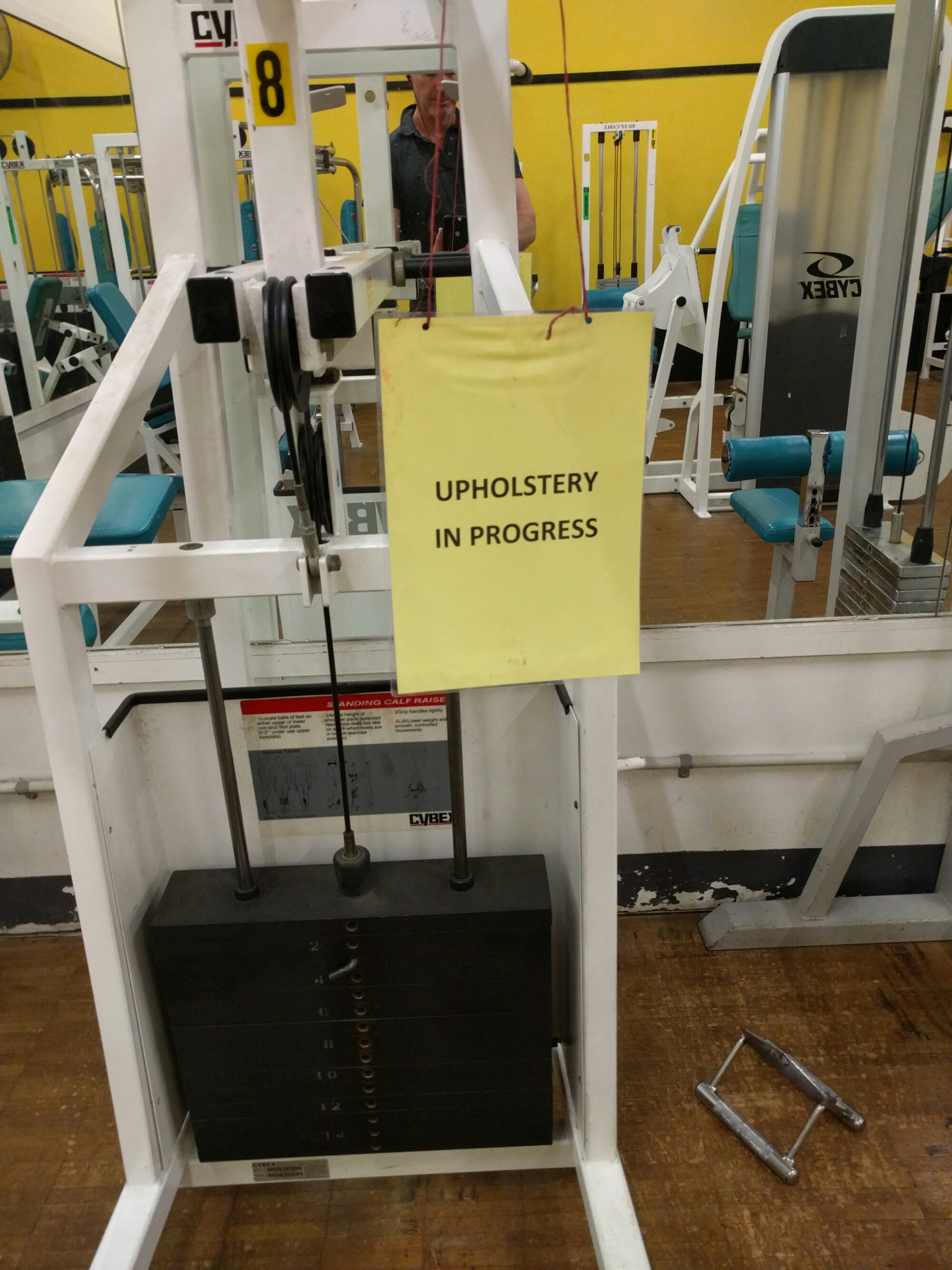
Wiki and the dictionaries reckon that “the word ‘upholstery’ comes from the Middle English word upholder, which referred to a tradesman who held up his goods.”
At the markets? After he had finished them? Was his name Forrest Gump?
Suspiciously the dictionaries say that the word ‘holster’ comes from the Proto-Germanic ‘hulfti’ meaning “cover, case, sheath.”
I’d say that I’ve found an etymological fuck up.
And since there’s no word for that, let me make one up … upwordering.
With reference to the article below, it’s sort of surprising that the mice survived long enough to develop any changes to their neurons; the dosage was such that the poor buggers were lucky not to drown. The whole thing is certainly hurting my neurons.


Subject matter – Surf Life Saving Australia (SLSA). Consolidated revenues of $72m.
As one experienced lifesaver said “the SLSA is top heavy with management and too little of the money raised by the national body makes its way down to the grass roots … if anyone knew what was going on they would go down to their local club and donate money straight to the club.”
Nowadays you can’t even get off a plane at Brisbane airport, a long way from any beach with surf, without some kid hitting you up for a donation to SLSA. I always tell them to bugger off.
Although it is a charitable organisation, much of the money bludged off the unwitting public ends up in the pockets of head office staff via salaries and expenses. Much of the rest goes into marketing.
As it stands a charity must have these features:
And the benefits of charity status are:
It’s no mystery that charities now attract the most horrendous rent seekers in this land of rent seekers.
Think of the SLSA. Previously a small head office coordinating sporting events for surf life saving clubs, it is now a mini-corporation serving it’s own needs first but saying and believing the opposite.
It’s not much better than your local happy clapping church with the evil pastor raking it in.
How did this happen?
Essentially charities are soft targets for the lazy and greedy. It’s pretty easy for the ruthless to sidle on in and take control and then argue for expansion via marketing and increased charitable donations.
Because of the increasing abuse of this sector by the inherently greedy I would argue for a few changes: I would get rid of all tax concessions (even for donations) and just leave with them the ability to carry over profits without being taxed.
Indeed I also think there should be a new class of limited liability company; one that also has the ability to carry over profits without being taxed, with a quid pro quo that it doesn’t have the ability to pay dividends. Shares would have to be 100% owned by Australian entities or individuals and there would be a 50% capital gains on the proceeds of selling shares.
That option would entice the rent seekers out of the charities and into this new category of companies. It’d be too attractive for them to resist especially if all those benefits were taken off the charitable organizations.

So I sent my last blog on anti-vaxxers to Rod and got this response:
“me-thinks Bill Gates is not an altruist … especially since his dad was a acolyte of eugenics … and Govt is for the most part filled with brainwashed twats that wldnt know a false flag operation to save themselves … a lot of people are just starting to awaken and to question the hierarchical control system that lurks in the shadows.”
Now I’d put Rod in the first category of anti-vaxxers; those that are general conspiracy theorists without kids of a vaccination age.
These guys are just using the issue to vent their general disliking of the current first world systems that they find themselves in.
What I am struggling with is whether Rod’s partial and selective use of rationale thought is to be admired or to be found disturbing.
I sense a set of disconnected dots that Rod has somehow mentally drawn together in order to arrive at a conclusion which I don’t think is fully articulated.
I am not saying that I don’t agree with him; I can agree nor disagree because I don’t understand what data he has used, how he has drawn a conclusion, nor what his conclusion is.
I do sense a negative vibe towards all forms of authority and that’s about it.
What I do know is that there isn’t enough data nor process for anyone else to reproduce his efforts.
I was taught was that this ability to reproduce the process is the point of all rationale methodologies.
Once you can see what data was used, and how, then you can also assess the strengths and weaknesses of the whole shebang.
Without any such due process, I either have to take Rod at his word, or more likely put some pretty big mental error bars on whatever missives I receive from him.
The irony of course is that people that don’t use any form of due process to sort through data and to derive conclusions also don’t question the absence of such, and therefore don’t apply error bars under any circumstances.
Which is to say, even if by some odd miracle Rod has found a vein of truth, the only people listening are those who don’t give a stuff if it’s true or not, nor do they have any influence of any sort.
That probably suits Rod just fine despite any complaints to the other that he may make for appearance’s sake.

Anti-vaxxers, what to make of them?
The ones that I have met fall into a number of categories:
1. Conspiracy theorists without kids of a vaccination age. These guys are just using the issue to vent their general disliking of the current first world systems that they find themselves in.
2. Concerned parents that suspect that their kids are being meddled with by governments. This lot generally don’t have the capacity to assess the information on the subject and hence sensibly land in the ‘do nothing’ category.
3. Then there’s the missionaries, the generally poorly educated campaigners that know that vaccination is a prelude to some Matrix-like future where we all end up chipped and totally controlled. In the meantime, have you seen the side effects?
What makes the issue very interesting is that the battleground is played out by proxy in the future health of (currently innocent) children, and not that of the people choosing not to vaccinate.
So morally, the question is whether parents even have the right to make such a decision as to not vaccinate.
Generally speaking, our rights to even make decisions regarding our own well-being are being slowly removed, one by one.
Many people are very much struggling with the modern view that parents don’t have moral rights over their own children. Where does it end? Do parents even have the right to force religious beliefs on their children?
And the fact that anti-vaxxers might be threatening the health of other children just enrages the debate even further.
It’s a very emotional issue pitting the government purse and the Nanny State against the barely educated, the scared and the suspicious.
And to make it worse, the medical industry won’t stop at life threatening diseases. Sniffing large profits they’ll argue for vaccination for what could only be called nuisance diseases.
I suspect that somewhere hidden in there is a sort of Pareto Rule. Let me explain.
The first generation to be freed from life destroying diseases such as polio probably just breathed a collective sigh of relief; no opposition.
But as the generations proceeded and the memories of death and permanent illnesses receded, and as the diseases being targeted diminished in their impact on mortality and morbidity, the tide turned and there was less support.
I suspect that this opposition to vaccination is very amenable itself to epidemiological study and modeling.
Once achieved, governments would know exactly what they can achieve with such programs and what levers they have in order to garner wide spread support for new vaccination programs, if achievable.
They should use the same diligence that they inexplicably expect from the general population on the issue, rather than the ‘trust us’ approach.
I’d argue against just shoving vaccination down people’s throats; it’s clearly starting to be counter productive.
And not just counter-productive in the context of vaccination.
The issue itself is a proxy for the general distrust of first world governments in their modern form of serving many undeclared masters.
The risk is that the good becomes a victim of the greed that we all know exists.

TR announces the top 25 global government innovators.
You’d have to think this is measured by the quality of lies used to increase taxes as a percentage of GDP whilst also managing to get re-elected.

The last time I played Monopoly it was with pounds and the real estate had names like Mayfair and Islington. My parents had an English relic from before the war.
Today I played the modern incarnation, Monopoly Empire.
The money is undenominated, presumably to save costs on international sales.
Instead of real estate, one buys billboards which are added to one’s skyscraper.
The first person to cover their skyscraper to the top with billboards wins the game, ignoring the fact that even in the extreme case of Japan that billboards only climb up as far as the fifth floor.
In the old version, rent was due when one was found lurking, squatting even, in someone else’s property.
Now one pays the owner of a billboard the full cost of purchase of the billboard just for looking at the billboard.
This makes no sense since billboards are a form of paid broadcast media designed to catch the unwitting eyes. No money changes hands in the eye catching.
It would have made more sense to have a fine for graffiti crimes against the corporate machine.
There are bunch of other rules and cards (including baseless legal injunctions) which make just as little financial sense but are designed to even out the game a little; an improvement over the old game in which the first person to become a slumlord slowly drove the others into liquidation.
Very slowly, like an inevitable and quite unenjoyable train wreck.
The billboards themselves are a random selection of global corporate brands which have presumably paid Hasbro healthily for this opportunity to place all these micro billboards in front of consumer’s eyes.
And since the consumers pay for this privilege one has to admire the completeness of the logic; there are occasions when consumers do pay to see billboards!
Ultimately kids get to learn very little useful finance or economics from the modern game but they do get a first hand consumer’s view of neoliberal capitalism in action.
Which is to say, they get to play a game in which there is one winner and lots of losers but where the real winners aren’t even playing the game.
And most of the players would be none the wiser! Just downright bloody genius…

To be a media publisher, not an Australian.
“Editors used to spend years developing their natural and core instincts to select the best stories for the day: what would sell papers, what would catch the reader’s interest, what would make for good water-cooler conversation. Today, an algorithm does that for us.”
“We can do more experimentation than our predecessors who committed their day’s stories to print. We are free to experiment.”
Bit of a paradox there I’d say…

I love it when you have an idea and someone’s already done it….
Web app … Find My Doppelganger
Crowdsourced image processing.

 offshore westerly