
Comedy explained
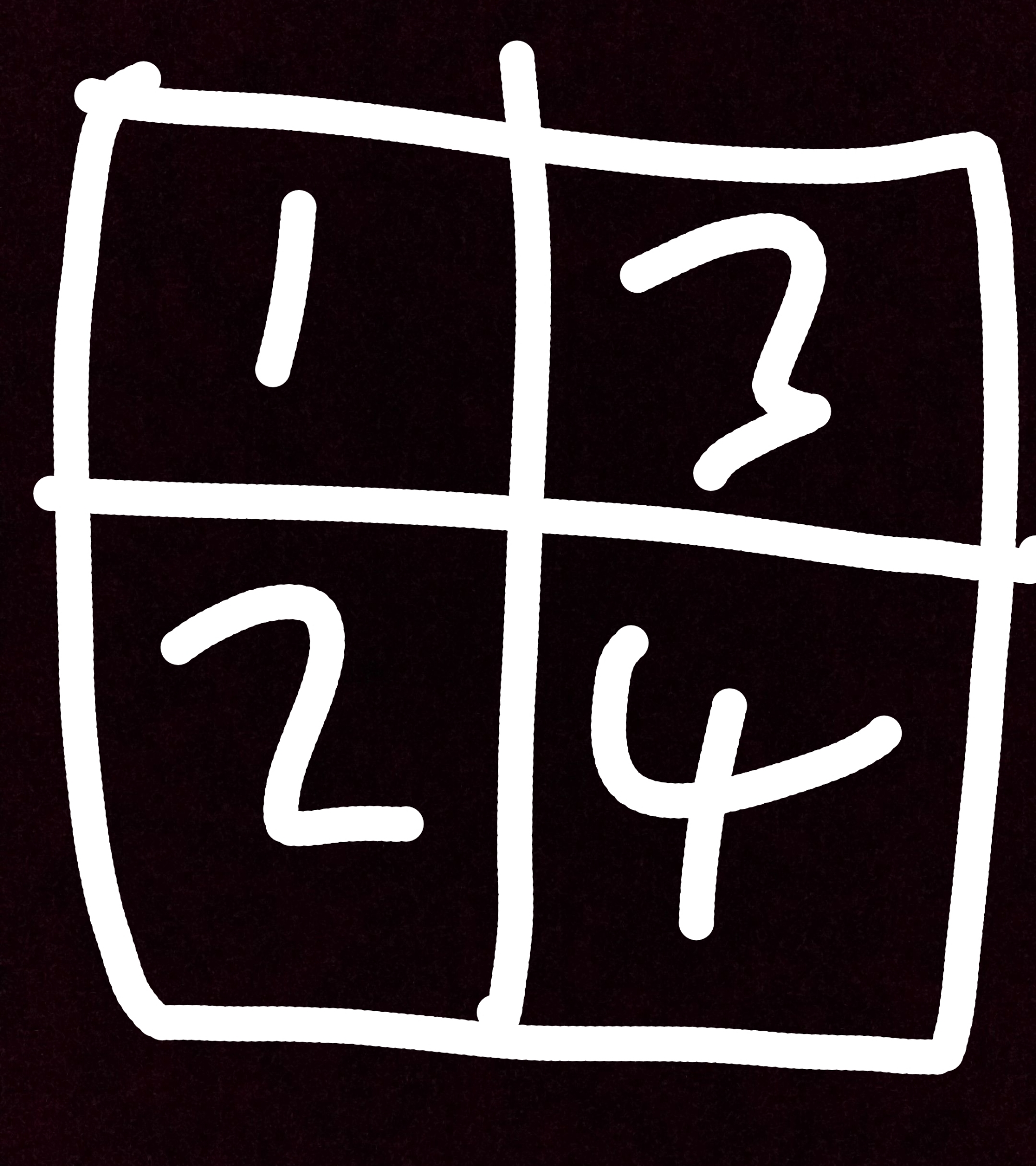
More on the Dunning-Kruger effect; with reference to figure below.
Quadrant one represents those suffering from the Dunning-Kruger effect, namely a cognitive bias in which low-ability individuals suffer from illusory superiority, mistakenly assessing their ability as much higher than it really is. Dunning and Kruger attributed this bias to a metacognitive inability of those of low ability to recognize their ineptitude and evaluate their ability accurately.
Quadrant Four represents the Dunning-Kruger corollary, namely where high-ability individuals underestimate their relative competence and erroneously assume that tasks which are easy for them are also easy for others.
Quadrant Two represents low ability individuals that know they are crap.
Quadrant Three represents high ability individuals that know they are good.
Guess which axis is where comedy lives?
 offshore westerly