
Blue Green
Roofing materials are an odd thing.
In Australia, residential roofs are either made of Zincalume (which used to be galvanised iron) or cement tiles (which used to be ceramic underneath but nobody noticed the switcheroo).
Try putting anything else up there and the supply chain has a fit.
The supply chain includes; manufacturers, multiple layers of distributors, installers, builders, architects, developers, designers, engineers, standards bodies, and home owners.
All you need is one element to reject a new material and it’s dead meat.
Which is why after two hundred years we have just the two roofing materials. It used to be three but asbestos cement was scrubbed out in the 1970s.
Everywhere it’s the same. Roofing materials just resist and resist change.
In the US it’s shingles (real or fake) and slate in the cold and wet areas, and shingles (mostly fake), tiles and flat cement/asphalt roofs in the dry and hot bits.
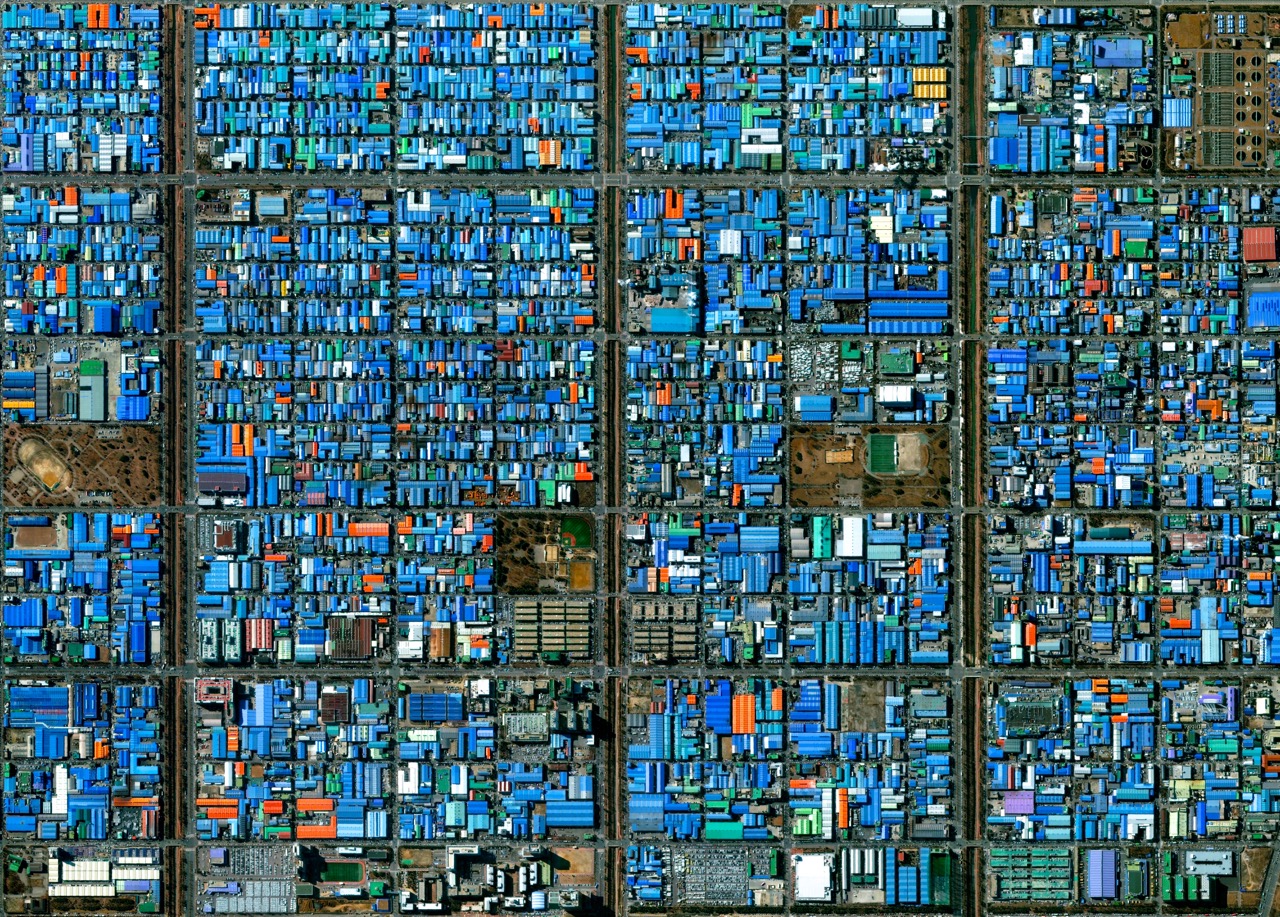
Here in Korea (which is where I am) the industrial buildings and rural residential buildings all have odd blue bright blue coloured (exhibit attached) roofing materials.
The industrial buildings are Zincalume and the rural residential buildings are Zincalume and cement tiles.
Some punter in a forum claimed that this electric blue roofing color has historical precedence in Korea.
Curious, I did some research and came up with this:
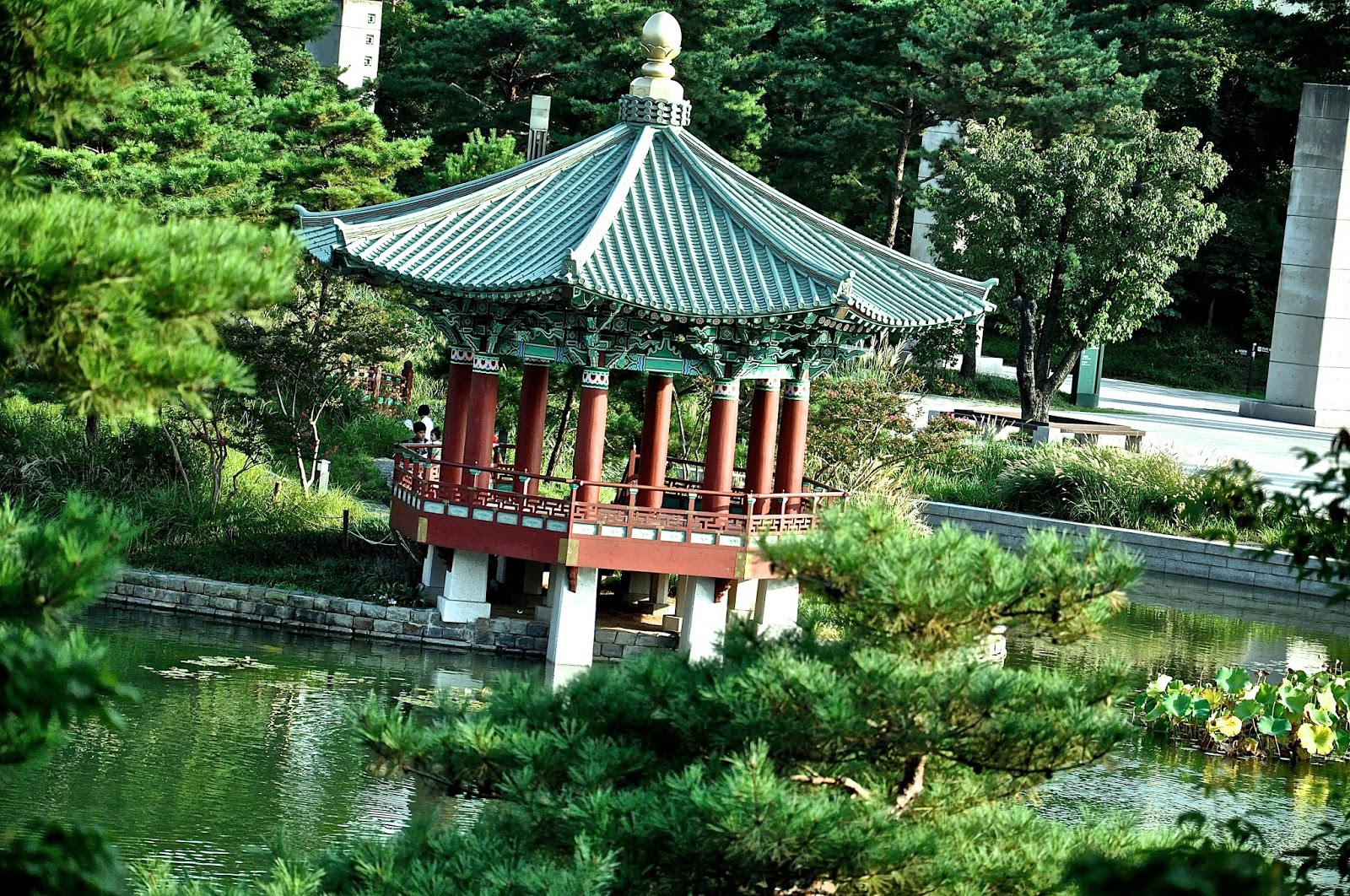
“A small pavilion named ‘Cheongjajeong’ built above Geowul pond inside the National Museum of Korea in central Seoul to celebrate the centennial anniversary of Korean museums, was unveiled yesterday….The notable part about the pavilion is that Cheongja, or blue celadon, is covered on its roof like some used to be in Goryeo Dynasty….Blue celadon is the essence of Korean culture.”
Yeah, it seems the Koreans are colour blind. Blue Celadon is actually green – see below.
Another forum entry that I stumbled across provided this alternative explanation; “It’s because the government provided only one colour paint for housing and construction assistance in the 70’s. It’s all that was available on the cheap.”
So did some enterprising US paint manufacturer with mates in the US government off-load cheap surplus paint through government assistance to Korea after the war?
The only problem with this argument is that blue roofs are also found in North Korea which was separated from the South in the 1950’s.
The Japanese controlled Korea from 1910 to 1945, and the Japanese have areas with blue roofs as well. A much nicer and less garish blue I might say. But still blue.
But the Japanese forums are at a loss to why there are blue roofs. And indeed they point to Korea and China as the source of fired clay roof tiles, way back when.
I guess it will have to remain a mystery.
 offshore westerly