
Shetland Pony
Just recently, for no especially good reason, I was looking at my family tree.
The christian name of one of my great grandmothers’ was Ingo.
It took me a while but then I got fascinated by the name, having never heard it before.
Ingo’s mother’s name was Ingogereth, even more unusual. And Ingogereth’s mother’s name was also Ingogereth. But that Ingogereth’s mother’s name was Ingagarth.
And the good thing about an unusual name is that a Google search can become pretty targeted and useful.
After Ingagarth the trail runs out of Ingos but it was well into Scotland by then.
According to one conversation that I dug up on-line, the name Ingagarth or Ingogereth is a female name of Scandinavian origin and it was traditionally found only in Shetland Islands north of Scotland.
Apparently these names were passed down from family to family in the Shetlands all the way back to 9th century when the islands were colonised by the Ingaevones (roughly these were Germanic Danish Vikings).
The fate of the original indigenous population is ‘unknown’.
The Shetlands were taken over by the Scots in the late 15th century but the Norn language (an ancient Scandinavian language) was still spoken there until the 19th century.
The name Ingogereth (and it’s many variations) derives from the Old Norse Ingigerðr.
Ingigerðr was derived from the name of the fertility god Ing or Ingqaz combined with garðr meaning ‘enclosure’. In the feminine context I expect ‘enclosure’ means ‘womb’.
My daughter is now quite chuffed that she is a miniature Viking.
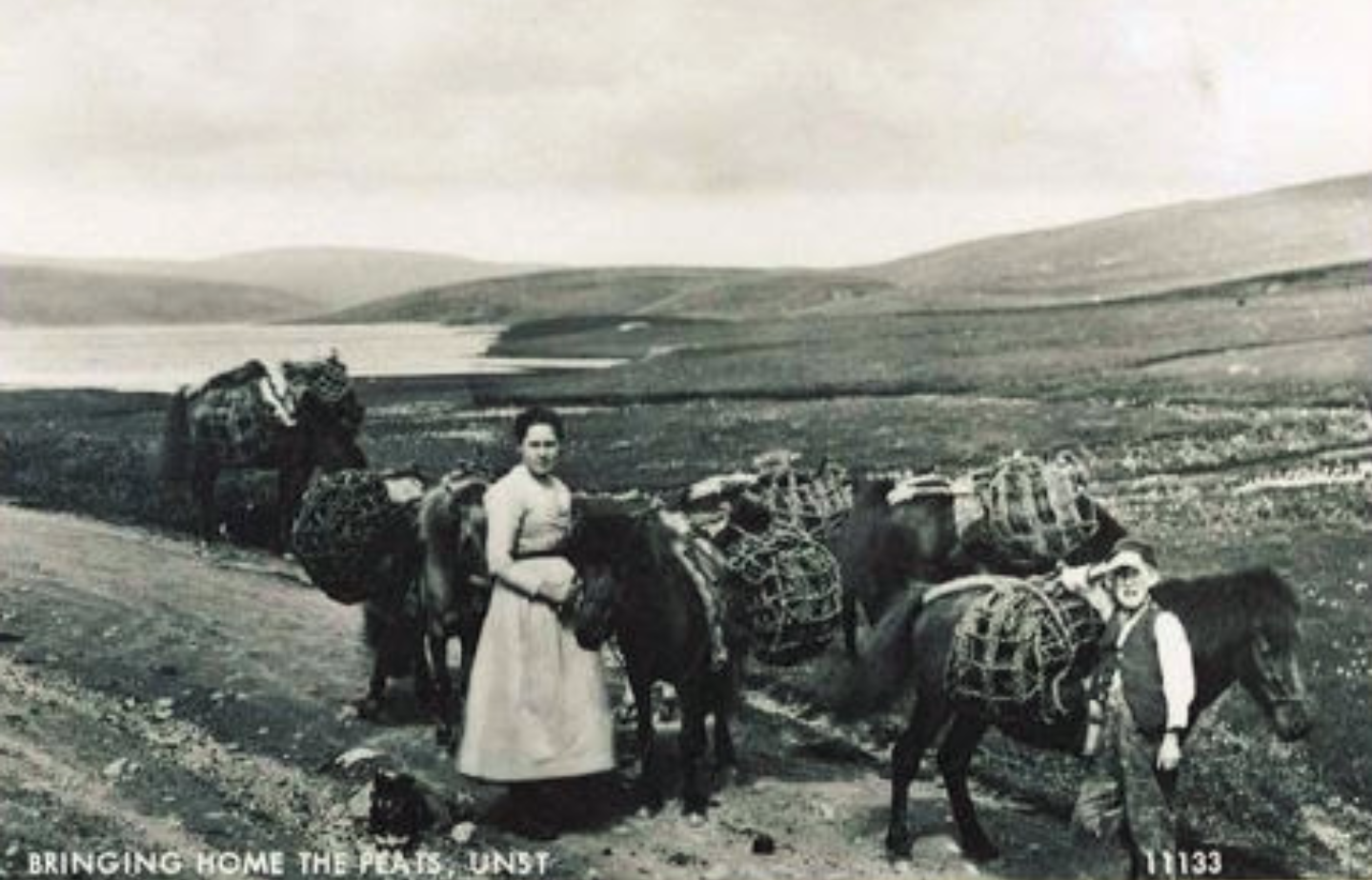
The Shetlands are as far north as Greenland’s Cape Farewell, i.e. bloody cold and windy, and looking at the photo below can you blame the locals for getting out of there when they could? Good on you ancestors!
 offshore westerly