
iKon
A few months back, in a letter to the editor of a journal in which I had an article published, I learnt that I was an iconoclast.
“Dear Sally, thanks once again for an entertaining and highly readable CIA. I always enjoy the iconoclastic Ian Maxwell, and it is a wonder (and indeed disappointment) to me that his pronouncements do not engender some harrumphing letters to CIA for carving fillets from sacred cows. I prefer to just very quietly cheer from the sidelines.”
Iconoclastic is one of those words that, for one reason or another, had evaded me. We all have them, words that we should understand, either in context or in fact; but, years into the literary journey of life, there are some little buggers that are as slippery as the leather jackets down at the muddy creek at sunset.
In days past, in the wrong company, ignorance could be caught out in the most embarrassing manner. Not now, and not with Google in the pocket. Iconoclastic succumbed to enlightenment within milliseconds and no one was the wiser except the scribe himself. And now you too, dear reader.
Which brings me to the the real point of this blog entry. Surprisingly, on Friday I was having beers at midnight with a bunch of old school mates that I haven’t seen for over three decades. The most insightful of the bunch announced that I had always been iconoclastic at school.
Now that surprised me, a lot. We think we develop but in fact it appears that we may just refine around the same basic personality traits. You would think think that if I was to wear such a moniker that I could have gone to the trouble of learning and understanding the word itself when I was a youngster. At least then the awareness would have given me the option of monitoring and changing.
On the word count thing, Shakespeare apparently invented 2000 of them (who knows!) and a well-educated person knows more than 10,000. Including proper nouns, I would say I am well past double that number, maybe more. So the odd black spot isn’t going to worry me. Iconoclastic to the last.
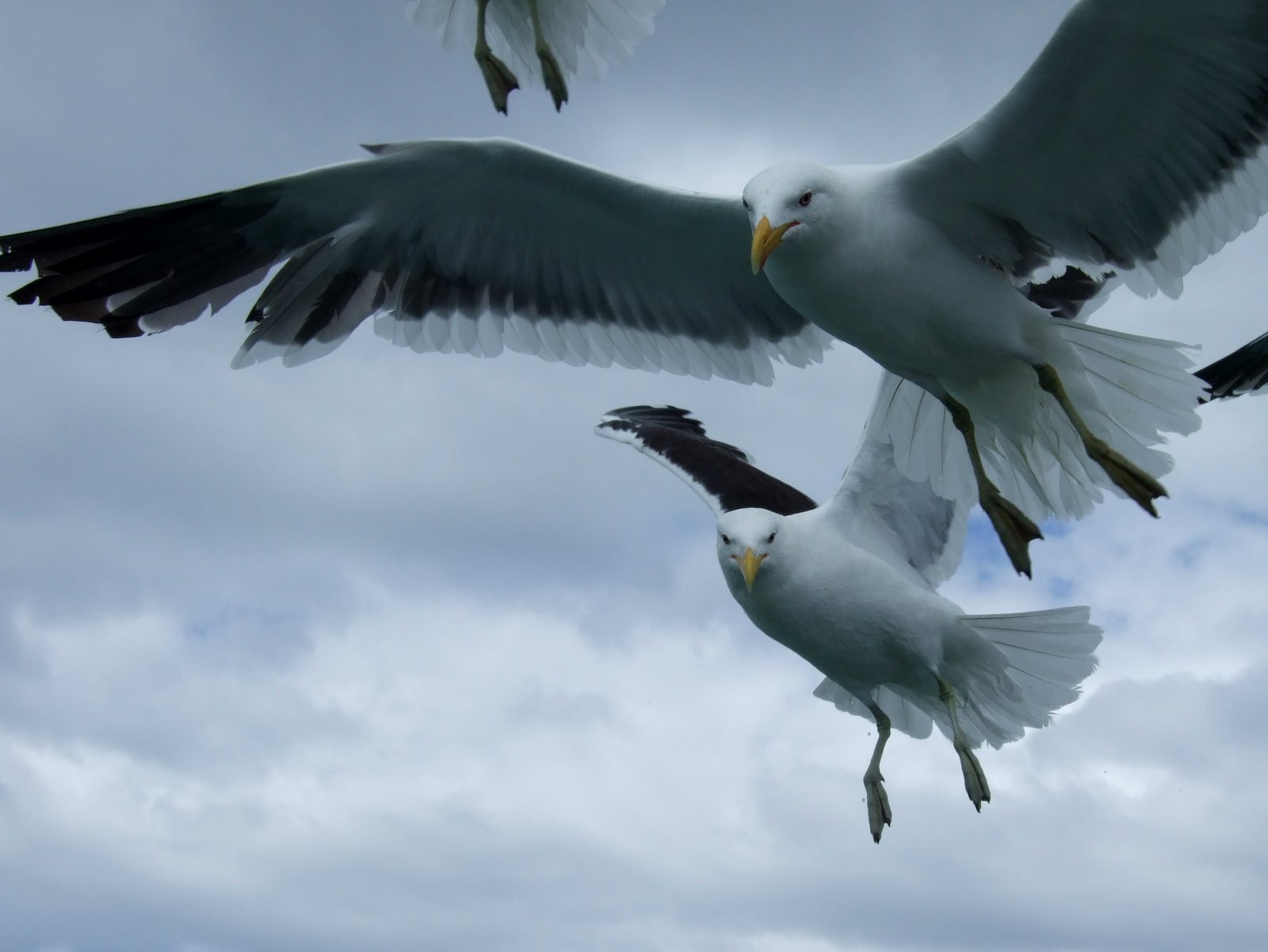
 offshore westerly