
Monkeys v. Spiders
Yesterday the CEO of my Korean distributor spent some time sharing his frustration at the lack of responsiveness of some of the German companies that he represents in Korea.
This was ‘code’ for his complaints about my company.
The litany of complaints revolved around unresponsiveness to forwarded customer requests which caused both the distributor and German companies to lose potential sales.
The unresponsiveness was variably due to the German supplier’s employees being on holidays, or deciding that a particular request for information wasn’t in their job description, or just been bloody lazy in the Korean world view.
Of all the peoples on this planet, the Koreans have the highest work mantra. I say mantra because it ain’t an ethic.
If a customer has a request then your average Korean doesn’t get to go home until that request is satisfied, no matter what.
I didn’t say this to my Korean friend but there are ameliorating factors in defense of the Germans;
1. They have a work-life balance
2. Many of the requests for information from customers are just plain stupid
3. Often the distributor’s employees are just being bloody lazy in not learning this stuff themselves
4. Employees in the West are more empowered to prioritise their limited time that is available for response to requests for actions, and they normally get it right
In essence this problem is a clash between an efficient and intelligent approach (the Spiders of the West spinning a web and waiting for their prey) and the ‘million monkeys at the typewriter’ approach of the East.
Each approach is ingrained in culture and each leads to disdain of the other.
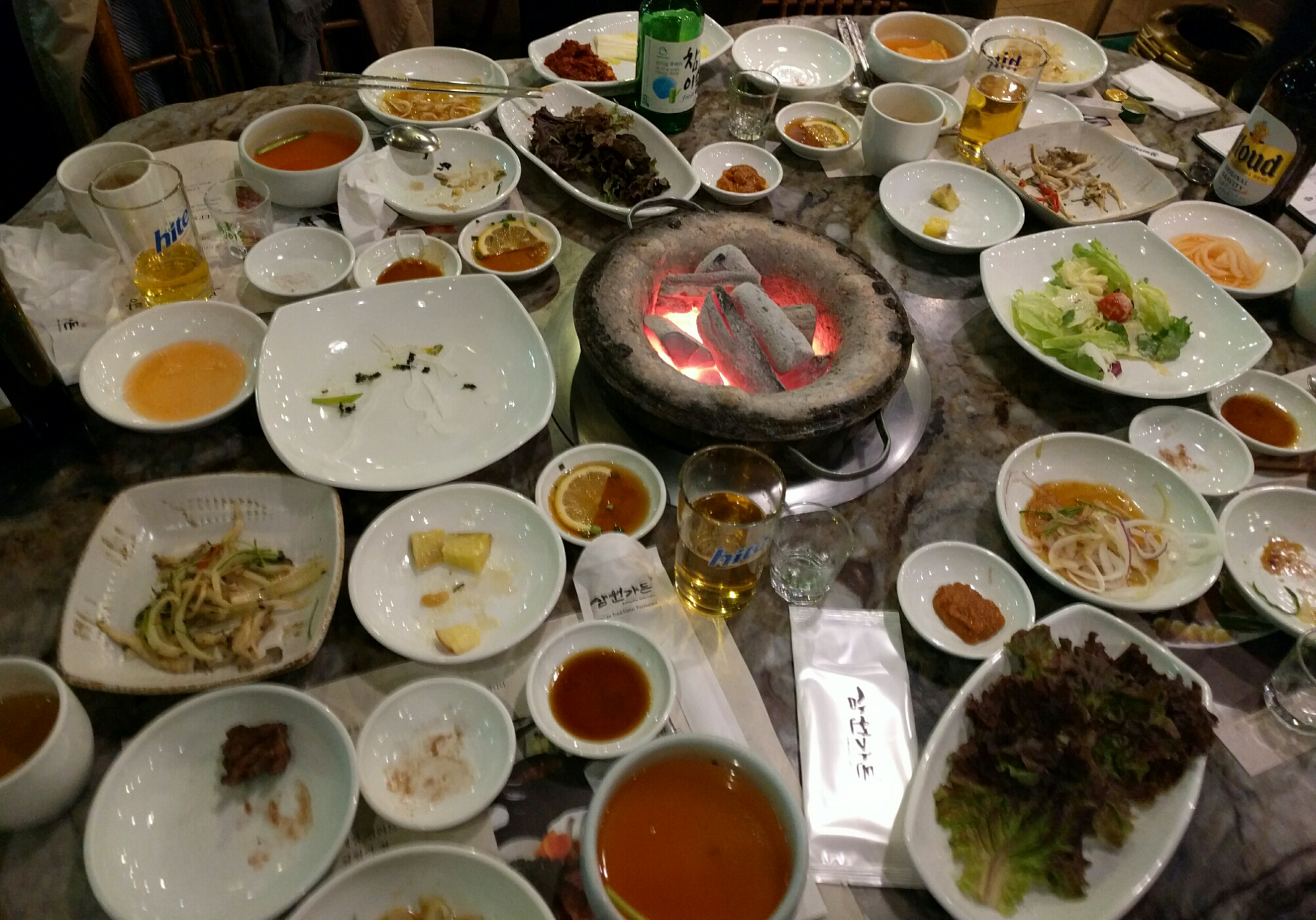
Later, over dinner, we got onto the subject of one of the manufacturers we had just visited, and that was busy copying the products of all their Western manufacturing equipment suppliers.
I was reluctant to share information with this manufacturer of course, which does somewhat apply the clutch to the sales process.
This is a general habit of many Asian manufacturers; they buy Western high-tech manufacturing equipment with the view to promoting cheap local copies.
I noted that this eventually leads to the original Western companies leaving the industry whereafter the Asians stop benefiting from continued improvements in the manufacturing equipment.
The low-margin Asian copycats often have neither the budget nor the culture that would allow them to improve on the manufacturing technology.
In business, the Asians seem less capable of thinking in the longer term interests of the industry they are in, or less capable of connecting that to their own interests. Maybe that just goes into the ‘Someone Else’s Problem’ bin.
I told my Korean friend that, culturally, we in the West see this Asian behavior as both short sighted and unethical, which further encourages us to having nothing to do with Asian manufacturers.
This surprised him greatly. But I made sure he got the point.
Sometimes I think that people are far too circumspect when communicating honestly across business cultures; without such honesty the problems are never identified and can’t be solved.
At the moment it would seem that the Monkeys of the East have the upper hand in manufacturing.
All that cheap labor and capital, combined with the Monkey work ethic, is winning out over the Spiders of the West.
But when labor is sufficiently removed from the equation it might not always be thus.
And indeed the anti-neoliberalism movement in the West, epitomised by the rise of Trump and Sanders, might even result in the trade barriers going up again.
So there may need to be a meeting of minds on the problem or else the Monkeys and Spiders are going to be operating just in their own markets.
No one wants to see their TAM halved.
Or do they?
 offshore westerly